In the vast catalogue of Spanish nobility, there exists an exceptional dignity forged not on the battlefield but in the silence of the laboratory. The Marquisate of Ramón y Cajal represents the triumph of the intellect and the enduring relevance of a legacy that has proven immune to the passage of time and political upheaval.
I. The nobility rejected in life: the King and the sage
It is a little-known fact that this marquisate could have existed much earlier, but it encountered the unbreakable modesty of the genius. King Alfonso XIII, aware of Cajal’s magnitude, attempted on repeated occasions to elevate him to the nobility during his lifetime.
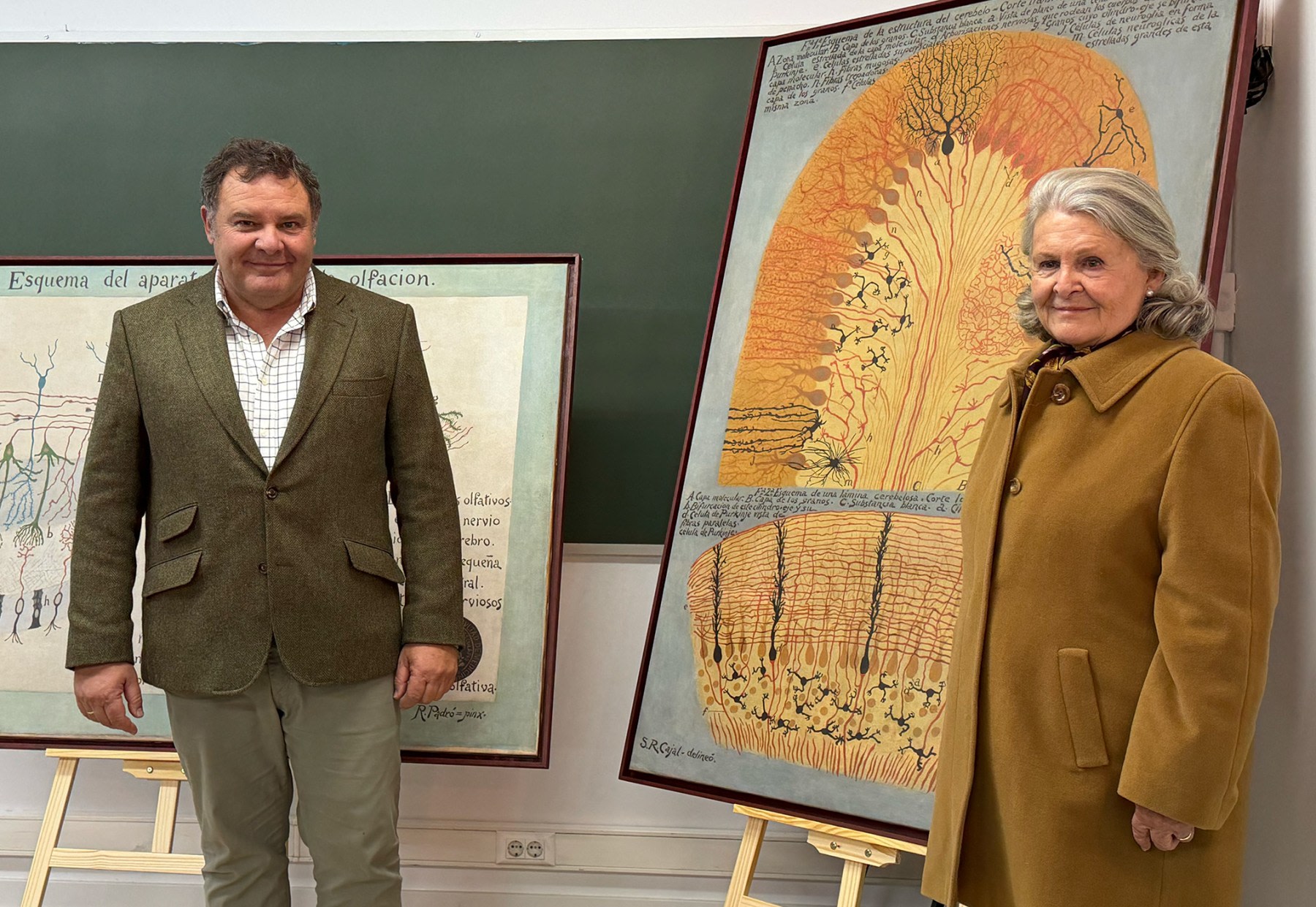
His great-granddaughter and current holder, Doña María Urioste, custodian of the family memory, reveals this fascinating detail:
The monarch sought to name him marquis and Grandee of Spain on as many as three occasions. However, my great-grandfather was so devoted to his research that he always chose to decline or postpone the recognition. (“El monarca pretendió nombrarle marqués y Grande de España hasta en tres ocasiones. Sin embargo, mi bisabuelo estaba tan entregado a sus investigaciones que decidió siempre declinar o aplazar el reconocimiento.”)
II. The genesis of a title: science as homeland
On 1 April 1952, Spain commemorated the centenary of the birth of its most universal scientist. A singular decree was promulgated to grant, posthumously, the dignity of Marquis to Don Santiago Ramón y Cajal.
The towering figure of Ramón y Cajal, whose name shines as a star of the first magnitude in the sky of universal science (…) Spain, to which this sage consecrated his life, takes pride in the outstanding place he achieved in the scientific world and, in rendering him the tribute of its gratitude, wishes to perpetuate that glorious name which science has consecrated in the noble lineage of his successors.
III. The trial by fire: a title that transcends politics
In October 2019, the title became caught up in an administrative review process. However, history’s verdict was unanimous. The marquisate did not exalt an ideology but scientific excellence and humanism. The resolution came with Order JUS/746/2020, published in the Official State Gazette. The title remained intact and in force, validated by the democratic State as an honour to pure merit.
IV. The succession: custodians of a memory
1. The I Marquis (Posthumous): Don Santiago Ramón y Cajal (1852–1934).
2. The transmission of the legacy continued through his son Jorge Ramón y Cajal Fañanás.
3. The II Marquesa: Doña María Ramón y Cajal Conejero (1955–2019). Granddaughter of the Nobel laureate.
4. The III Marquesa (Current Holder): Doña María Urioste Ramón y Cajal. Great-granddaughter of the scientist. The BOE of 31 July 2020 formalised her title.
V. Beyond heraldry: a symbol for the future
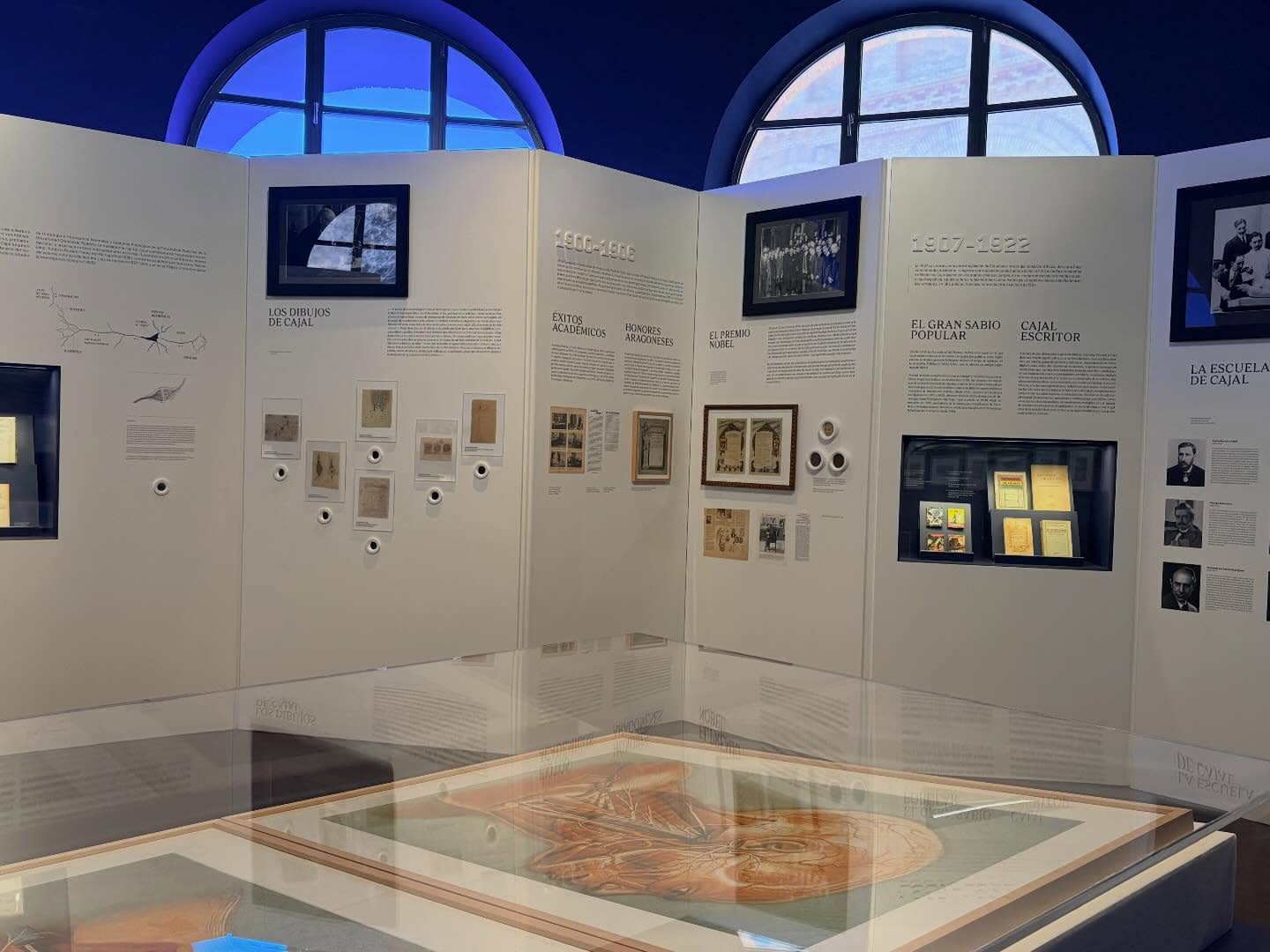
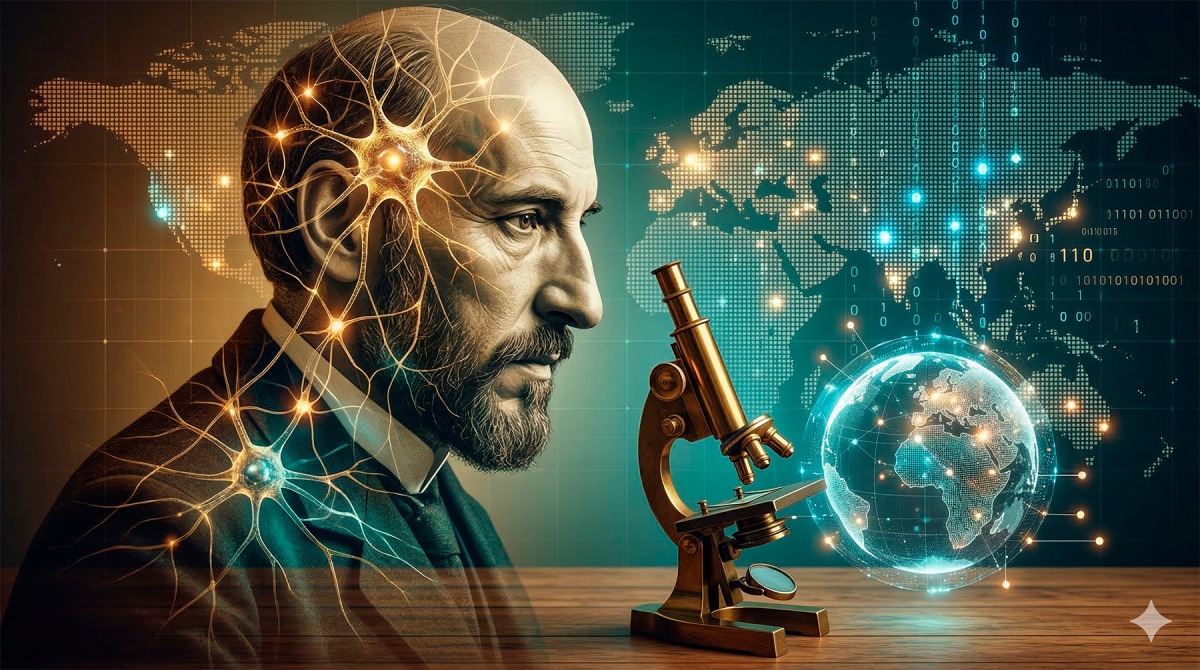
The Marquisate of Ramón y Cajal is unique because its “coat of arms” was forged not in medieval battles but in long nights of vigil before the eyepiece, amid bottles of reagents and drawings of neurons that resemble dreamlike forests.
VI. Salamanca and the enduring relevance of the legacy
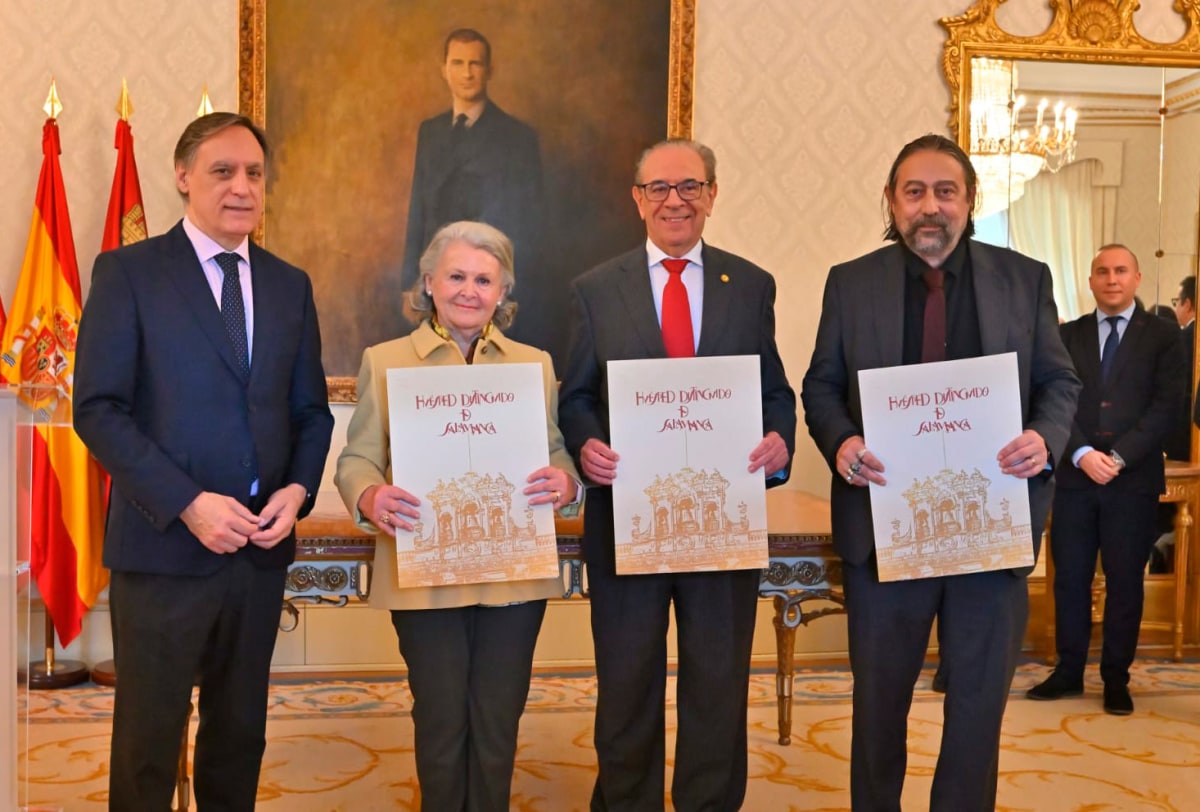
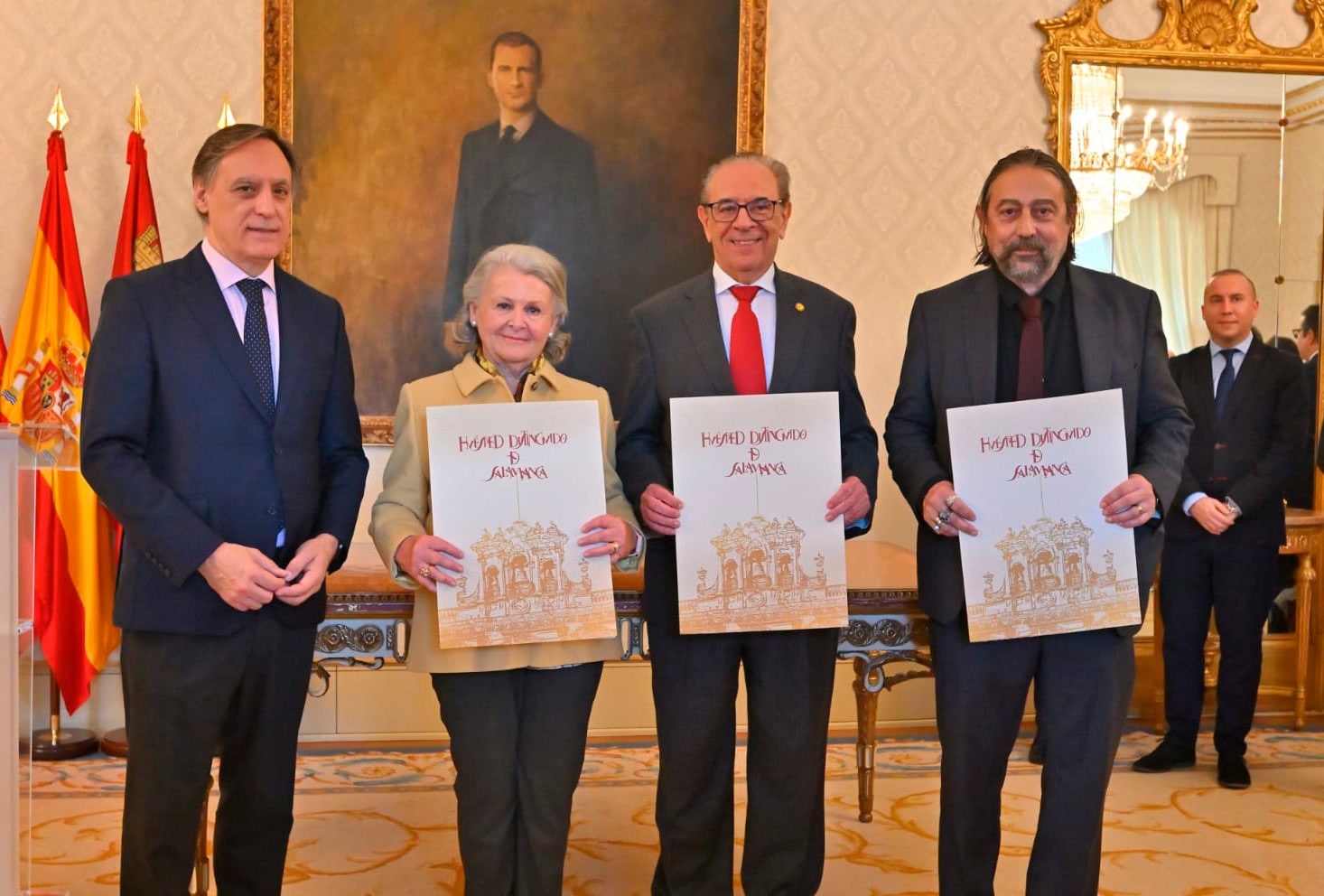
In a solemn ceremony, the Mayor of Salamanca presented the title of Distinguished Guest to the current marquesa, Doña María Urioste Ramón y Cajal, alongside Adolfo García-Sastre (Virologist and Distinguished Cajalian) and Sebastião Helvecio (Public manager and Distinguished Cajalian).
VII. Conclusion
The Marquisate of Ramón y Cajal is today much more than a title: it is a permanent reminder that Spain, when it invests in talent and tenacity, is capable of astonishing the world.
“Glory is nothing more than a postponed oblivion; but work well done endures in the very structure of human progress.” (“La gloria no es otra cosa que un olvido aplazado; pero la obra bien hecha, esa perdura en la estructura misma del progreso humano.”)