
Introduction: A Scientist and a City on the Threshold
In 1887, Santiago Ramón y Cajal, then 35 years old, arrived in Barcelona to take up the Chair of Normal and Pathological Histology at the University of Barcelona, a position he would hold for five crucial years until his transfer to Madrid in 1892. This move from his previous chair in Valencia was not a mere professional advancement but his immersion in a city and an institution that pulsated with a unique intellectual and cultural ferment.
The city that welcomed him was an organism in full effervescence, a place of violent contradictions. Barcelona, a rising industrial powerhouse, was feverishly preparing for its great international debut: the Universal Exposition of 1888. The streets bustled with the construction of modernist pavilions, the installation of novel electric lighting, and the cultural fervor of the Renaixença, a movement that sought to revitalize Catalan identity and language. Yet behind this dazzling facade lay a somber and lethal reality. The same city that erected monuments to commerce and industry was a breeding ground for disease, a labyrinth of misery where the promise of the industrial revolution was paid for with the lives of its working class.
This article delves into the crucial five-year period from 1887 to 1892, a time that was not merely a geographical sojourn for Cajal but a true crucible. It will be argued that the unique confluence of factors in turn-of-the-century Barcelona—its industrial dynamism, its vibrant cultural milieu, and, paradoxically, the deplorable sanitary conditions and the relative academic isolation it offered an independent researcher—provided the perfect, albeit challenging, environment for one of the most profound scientific revolutions in history. In the solitude of a makeshift laboratory within his own home, in the heart of one of the most insalubrious neighborhoods in Europe, Cajal’s tenacity, his economic limitations, and his immense intellectual freedom converged to produce the foundational discoveries of neuroscience.
Chapter 1: A City of Contrasts, Contagion, and Science
Late nineteenth-century Barcelona was a city at war with itself. Its insalubrity was no accident but the inevitable consequence of a development model that prioritized industrial growth over human welfare. Nevertheless, this profound sanitary crisis acted as a brutal yet necessary catalyst, forcing the emergence of a new scientific vanguard.
Urban Pathology and the Social Fabric of Disease
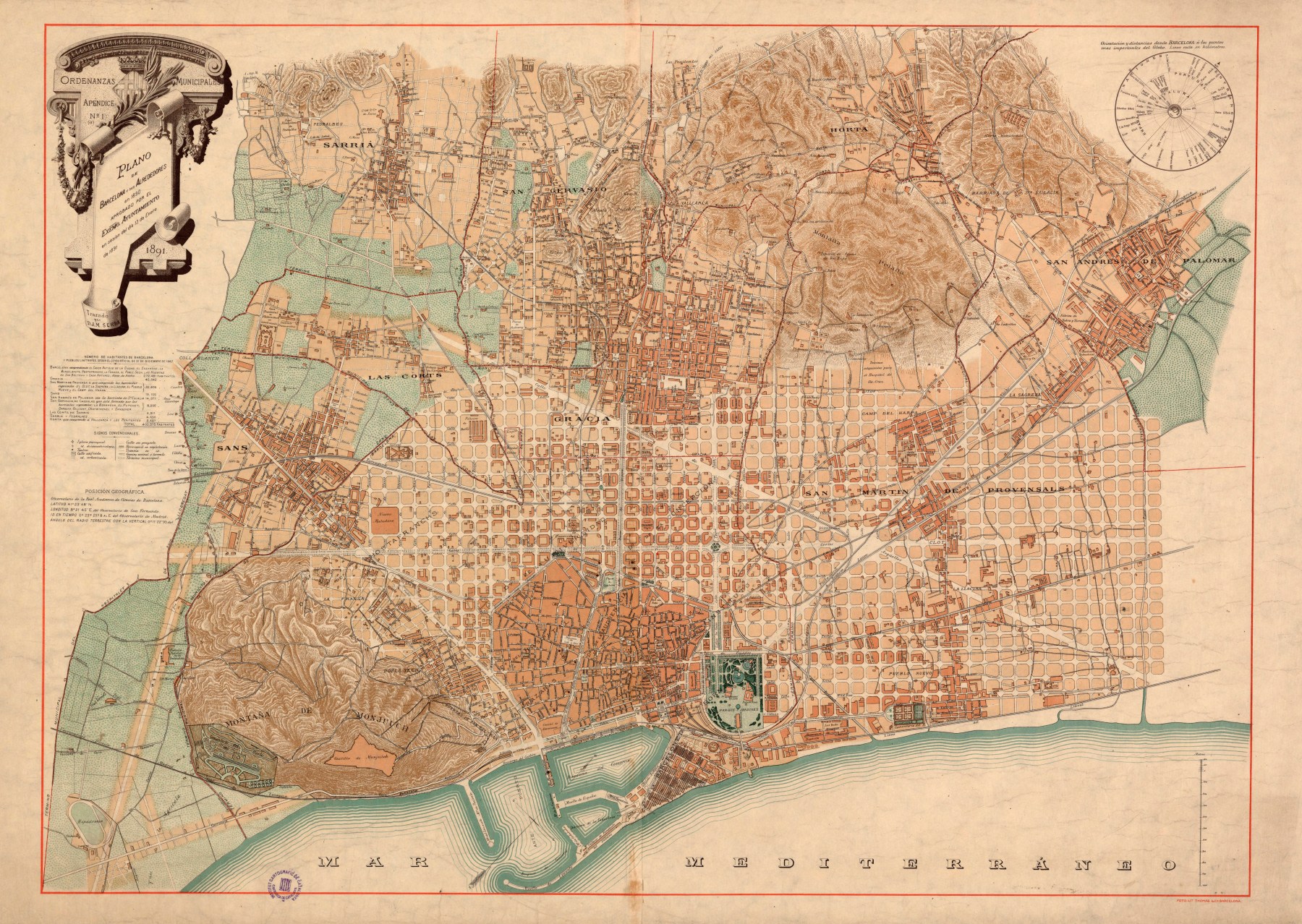
Disease in turn-of-the-century Barcelona was inscribed in the very structure of the city. Constrained for centuries by medieval walls, the metropolis had endured explosive demographic growth without corresponding territorial expansion, generating extreme population densities. The epicenter of this sanitary crisis was the Raval neighborhood, a dense and chaotic conglomerate of factories and workers’ housing where families were crammed into small, dark, and unventilated spaces. The narrow streets functioned as open-air sewers, and the sanitary infrastructure was catastrophic, with a water supply that was often contaminated and a primitive sewerage system.
Designed for the bourgeoisie, the Ensanche (Catalan: Eixample) offered spacious, well-lit, and ventilated apartments that contrasted radically with the “dark, unventilated, overcrowded” dwellings of the Raval. The physical forms of both neighborhoods were not mere containers of social classes; they were active agents that produced and reinforced social and sanitary inequalities. The Ensanche was conceived as a “machine for health,” while the inherited urban form of the Raval functioned as a “machine for disease.” This perspective was grounded in the environmental determinism of the era, which, influenced by miasma theory—the idea that disease spread through “bad air” emanating from filth—regarded urban design as a medical instrument. The stark health disparities were not an unfortunate byproduct of poverty but the predictable result of a pathogenic urban design versus a therapeutic one.
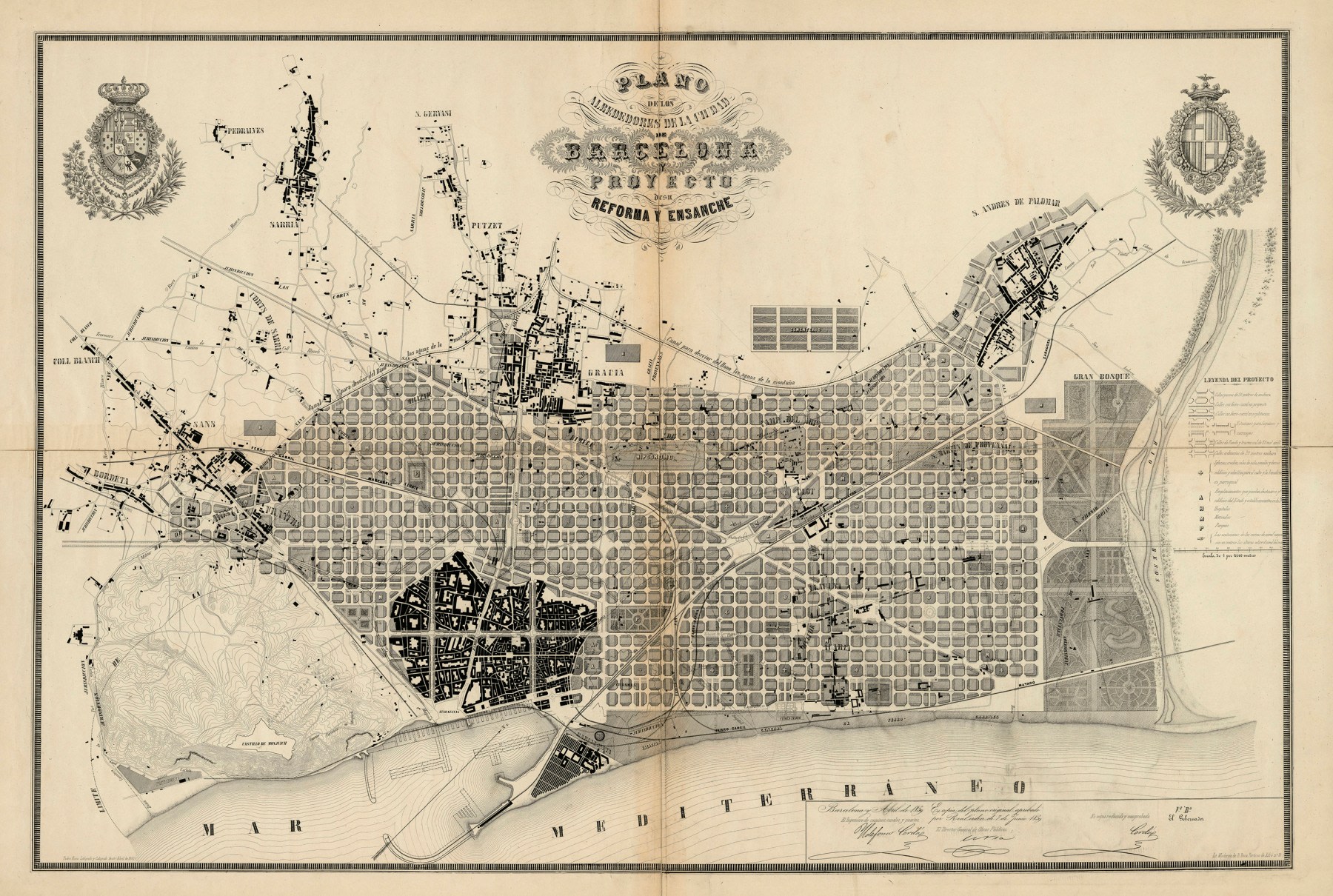 Barcelona proyecto de su reforma y ensanche. Plan of the surroundings of the city of Barcelona and of the project for its improvement and expansion by Ildefonso Cerdá y Suñer (1859). Paradigm of nineteenth-century urban extensions in Spain. More information.
The human cost of these conditions was devastating. Infant mortality was catastrophic, and upon this elevated endemic mortality periodically fell devastating epidemic waves of cholera, yellow fever, and smallpox. Health was a privilege of class. A deficient diet, the wear of industrial labor, and an overwhelmed healthcare system centered on the charity of the Hospital de la Santa Cruz rather than on public health left the working class in a state of constant vulnerability.
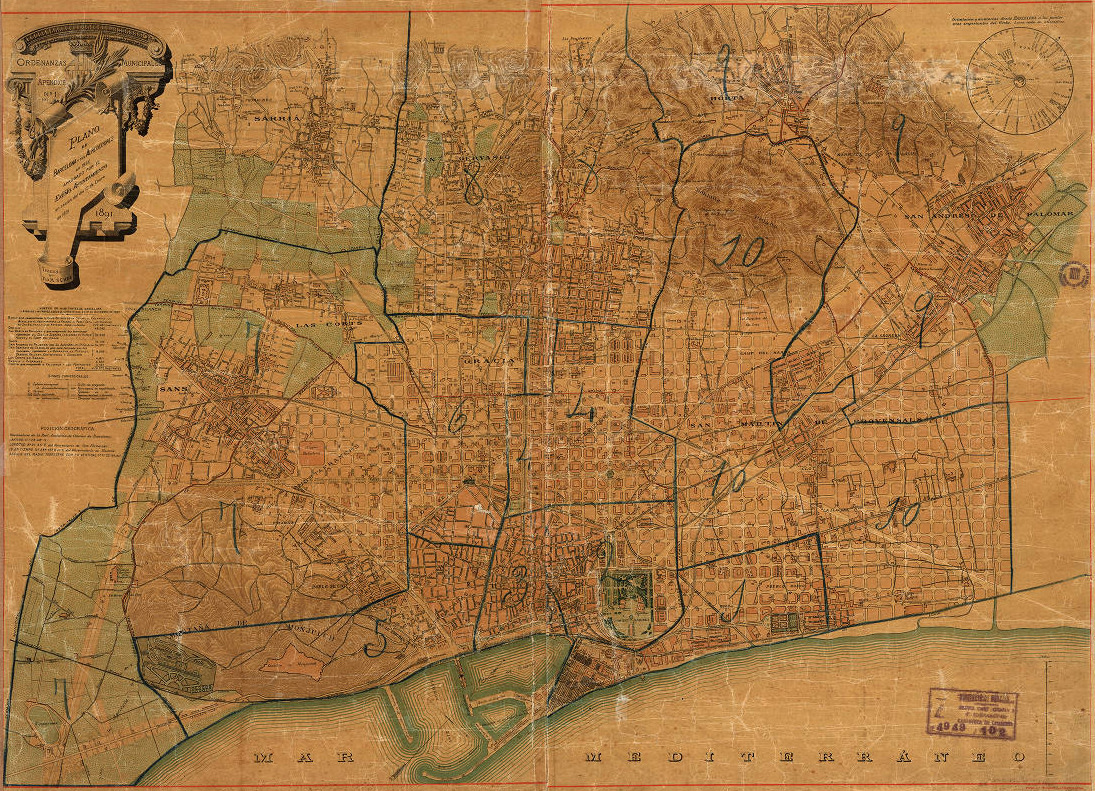
Table 1: Social Stratification of Health in Barcelona, c. 1890
| Indicator | Working Class (e.g., Raval) / Bourgeoisie (e.g., Ensanche) / Estimated Life Expectancy |
|---|---|
| Estimated Infant Mortality Rate | >250 per 1,000<150 per 1,000 |
| Population Density | Extremely high (>430 inhab/ha)Low |
| Housing Conditions | Dark, unventilated, overcrowdedSpacious, well-lit, ventilated |
| Access to Water | Public fountains, often contaminatedPrivate piped supply |
| Sanitation | Cesspools, open sewersEarly adoption of piped sewerage |
| Main Diet | Bread, legumes, wineVaried: meat, fish, fresh produce |
| Leading Causes of Death | Tuberculosis, infectious diseases, infant diarrheaDegenerative diseases, old age |
The Evidence of Inequality: The Origin of the Data
It is essential to understand that “Table 1” is not a period document but a modern academic synthesis that distills with precision the fundamental research of Barcelona’s nineteenth-century urban reformers and physicians. Its data are grounded in two pioneering intellectual currents that sought to comprehend the city through scientific observation and statistical analysis.
-
Ildefonso Cerdá Suñer: The urbanist was a precursor of data analysis. His monumental Teoría General de la Urbanización (“General Theory of Urbanization,” 1867) was not merely a blueprint but an unprecedented statistical diagnosis. Cerdá’s theory directly linked population density and urban form to health outcomes. He meticulously compiled data to demonstrate how mortality rates from epidemic diseases such as cholera and yellow fever were far higher within the dense walled city. His plan was therefore a direct response to these data. The low density of the Ensanche, with its gardens and open spaces, was a statistical prescription for a longer and healthier life. The ultimate failure to maintain these low densities due to real estate speculation—which permitted building on up to 90% of each block’s surface area instead of the planned 50%—underscores the conflict between Cerdá’s public health vision and private economic interests. His demographic studies are the original source of the table’s most striking figure: life expectancy within the walled city stood at 36 years for the wealthy and 23 for the poor and day laborers.
-
Pedro Felipe Monlau y Pedra: A prominent physician and leader of the hygienist movement. In works such as Elementos de Higiene Pública (“Elements of Public Hygiene”), Monlau provided the scientific basis for understanding why these health disparities existed. He documented how poor housing conditions, deficient sanitation, contaminated water, and inadequate diet in neighborhoods like the Raval fostered the spread of infectious diseases, which were the leading causes of death among the working class. His influential manifesto ¡Abajo las murallas! (“Down with the Walls!”) was key in driving urban reform.
In summary, the table combines Cerdá’s quantitative analysis (the statistics) with Monlau’s qualitative and causal analysis (the medical and environmental reasons). Together, their works demonstrated that urban design was a matter of life and death, justifying the creation of the Ensanche as a planned antidote to the insalubrious conditions of the old city.
A critical examination of the figures reveals that they must be understood as robust orders of magnitude. It is crucial to introduce the demographic distinction between life expectancy at birth (e0) and life expectancy for those who survived infancy. The low figures of 23–25 years were heavily skewed by catastrophic infant mortality. An individual who survived to age 20 could expect to live much longer.
This sanitary abyss becomes even more evident when comparing these figures with the present day. According to the most recent data from the National Statistics Institute (INE) for 2023, life expectancy at birth in Spain stands at 83.77 years. This leap of approximately 60 years in little over a century for the most disadvantaged strata illustrates the magnitude of the sanitary and social transformation experienced.
A New Stage: The University and the “Generation of ‘88”
The University of Barcelona in the late nineteenth century was an institution with a complex history. Restored to the city in 1837, its Faculty of Medicine—Cajal’s new academic home—was housed in the modest premises of the former College of Surgeons, on Calle del Carmen. The imposing building the faculty occupies today in the Ensanche would not be inaugurated until 1906, long after Cajal’s departure—a detail that underscores the limitations of institutional resources at the time.
However, the lack of modern infrastructure was offset by exceptional human capital. Cajal’s arrival coincided with the zenith of a dynamic group of young professors known as the “Catalan medical generation of ‘88” (“generación médica catalana del 88”). Figures such as the physician, later leader of the Lliga Regionalista and controversial mayor for seven months, Bartolomé Robert y Yarzábal (born in Tampico, Mexico), and the influential Juan Giné y Partagás led a renewal movement that sought to elevate the standard of teaching. This atmosphere of intellectual ambition was manifested in events such as the Congress of Medical Sciences of 1888, held in Barcelona.
In this context, Cajal’s arrival was not that of an isolated genius in an intellectual wasteland. A symbiosis occurred: Cajal found an echo in the dynamism of the “Catalan medical generation of ‘88” and of the city as a whole. At the same time, the material limitations of the university acted as a catalyst. The insufficiency of the official laboratories was not an obstacle but the cause that forced him to seek self-sufficiency, fostering a methodological independence and entrepreneurial spirit that would prove crucial to his success.
Chapter 2: The Domestic Laboratory on Calle del Notariado
The epicenter of Cajal’s neuroscientific revolution was not a grand institute but a modest flat in the heart of the Ciutat Vella. Together with his wife, Silveria Fañanás, and their five children, Cajal settled in a residence on Calle del Notariado—today known as Carrer del Notariat—very close to the Faculty of Medicine. It was within the four walls of this dwelling that, faced with the lack of adequate university facilities, he established his personal scientific laboratory.
Contemporary accounts describe a “tireless” worker, consumed by a feverish research activity that led him to spend countless hours in seclusion. Within this private space, Cajal deployed all the facets of his genius. His passion for photography served as a scientific tool to document his research, producing hundreds of glass plates. Yet his most powerful tool of discovery was drawing. His histological illustrations are masterpieces that fuse scientific precision with extraordinary artistic quality.
The domestic nature of his laboratory configured a scientific sanctuary. This space afforded him absolute control over his time and methods, insulating him from university bureaucracy and the inevitable academic distractions and rivalries, such as the one he maintained with Professor García Solá. The act of drawing was, in itself, a cognitive tool. Faced with the chaotic tangle of cells revealed by the microscope, drawing demanded interpretation. Tracing the outline of a neuron as a discrete entity was a simultaneous act of observation and theorizing. His drawings do not illustrate the Neuron Doctrine; they are the visual embodiment of its birth.
It was this fusion of scientific rigor and artistic sensibility that enabled him not only to see but also to interpret and communicate the hidden beauty within the neuronal labyrinth. In his writings, he would refer to the pyramidal cells, with their elegant forms and delicate ramifications, as the “mysterious butterflies of the soul” (“misteriosas mariposas del alma”), a metaphor that reveals his profound capacity for finding poetry in the very structure of thought, and which has become an emblem of his legacy.
Chapter 3: The Revelation: Structure, Function, and Development of the Nervous System
At the end of the nineteenth century, the study of the nervous system was dominated by the Reticular Theory. Championed by the influential Italian histologist Camillo Golgi, this theory held that nervous tissue constituted a continuous network, a syncytium in which the extensions of nerve cells were physically fused.
The Neuron Doctrine (1888)
Cajal’s genius lay in his ability to transform the “reazione nera” staining technique developed by Golgi himself. Cajal did not merely apply it; he perfected it, devising a “double impregnation” procedure and, in a stroke of strategic genius, deciding to apply it not to adult brains but to embryonic tissue and tissue from young animals. In these samples, the neuronal framework was less dense, allowing for much clearer visualization.
The result was a revelation. In 1888, a year he himself described as his “banner year” (“año cumbre”) or his “Palm Sunday” (“Domingo de Ramos”), the preparations Cajal observed in his Barcelona laboratory showed an unequivocal truth: neurons did not form a continuous network. They were discrete, independent cells. He demonstrated that nervous communication occurred not through continuity but through contiguity, via specialized contacts that would later become known as “synapses.” This principle of cellular individuality was the cornerstone of his revolutionary Neuron Doctrine.
The Principles of Movement: Dynamic Polarization and the Growth Cone
Once the neuron was established as the anatomical unit, Cajal confronted the next questions: how does this system function, and how is it built?
-
In 1891, he formulated his second great principle: the Law of Dynamic Polarization. This law postulated that the nerve impulse travels consistently in a single direction: it is received by the dendrites and the cell body and propagates along the axon to its terminals. It transformed the conception of the brain from a diffuse network into a system of highly organized and directional circuits.
-
A year earlier, in 1890, while studying the embryonic spinal cord, he observed a specialized structure at the tip of developing axons, which he termed the “growth cone.” He correctly postulated that this dynamic structure was responsible for guiding the axon on its journey through the embryonic environment to its correct destination.
-
Furthermore, during the 1890s—a period that began in Barcelona—Cajal became one of the earliest and most eloquent advocates of neuronal plasticity, proposing that neurons could modify their morphology and the strength of their connections in response to functional demands.
In the brief span of three years in Barcelona (1888–1891), Cajal articulated a complete conceptual framework encompassing the structure, function, and development of the nervous system—an intellectual feat of astonishing magnitude.
To visualize the density of Cajal’s achievements during this brief yet transcendental period, the following chronological table juxtaposes his scientific milestones with the events of his personal life and the context of the city of Barcelona.
| Year | Scientific Milestones and Discoveries / Key Publications / Personal and Family Life / Barcelona Context / 1887 |
|---|---|
| 1888 | |
| ”Annus Mirabilis” | . Discovers the individuality of neurons in the cerebellum and retina, laying the foundations of the |
| Neuron Doctrine | . Founds and publishes the first issue of the Revista Trimestral de Histología. Publishes “Structure of the Cerebellum.” Resides on Calle del Notariado, working intensely in his domestic laboratory. |
| Inauguration of the Barcelona Universal Exposition (April 8). | |
| 1889 | Presents his discoveries at the Congress of the German Anatomical Society in Berlin, where he convinces Kölliker. Manual de histología normal y técnica micrográfica. Continues his feverish work, funded from his own resources. Rise of Modernisme in architecture and the arts following the success of the Exposition. |
| 1890 | Publishes an important manual applying his techniques to pathological anatomy. Manual de anatomía patológica general. His daughter Pilar is born. His brother Pedro obtains the chair in Cádiz. The city consolidates its industrial and demographic growth. |
| 1891 | Formulates the |
| Law of Dynamic Polarization | , which establishes the directionality of the nerve impulse. “Sur la structure de l’écorce cérébrale de quelques mammifères” in the journal La Cellule. |
| His son Santiago falls gravely ill. His daughter Enriqueta dies of meningitis. | Period of great social and labor unrest in the city. |
| 1892 | Accepts the Chair of Histology and Pathological Anatomy at the Universidad Central de Madrid. La retina de los vertebrados. His seventh child, Luis, is born. The Cajal family leaves Barcelona. The city prepares for a new phase of urban expansion. |
Chapter 4: A Life in the Raval: Solitary Genius, Triumph, and Tragedy
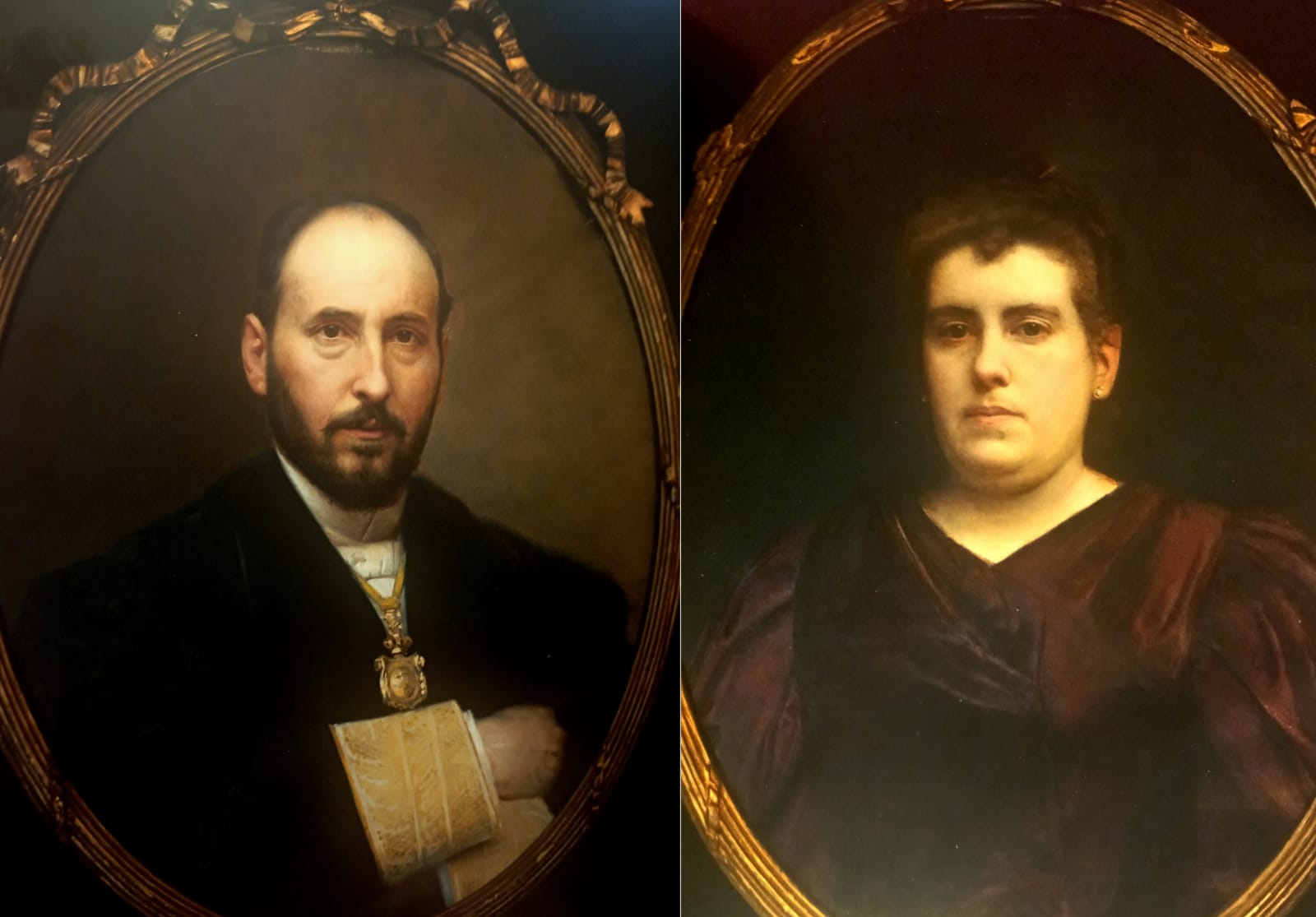
Behind the scientific epic, a human drama of equal intensity unfolded. Despite holding the prestigious position of full professor, the Cajal family lived in notable financial hardship. His modest salary forced him to personally finance the purchase of reagents, the publication of his journal, and even the trip to Berlin that would change his career—for which he was denied a grant from the Ministry of Development.
The remaining sorrows belong to the family realm and are of no interest to the reader. My eldest son, who had shown promise of becoming a young man of intellect, fell gravely ill with typhoid fever, the consequences of which not only considerably arrested his mental development but also gave rise to the seeds of the heart disease that carried him, three lustrums later, to the grave. And one of my daughters, the first born in Barcelona, was a victim of inexorable meningitis, contracted during convalescence from measles. For in great, damp cities, every weakness proves dangerous, on account of the perpetual menace of the tuberculosis bacillus, suspended in the dust and profusely sown by unscrupulous industrialists in milk and meat. (“Las demás pesadumbres pertenecen al orden familiar y no interesan al lector…”)
Recuerdos de mi vida (“Recollections of My Life”). Santiago Ramón y Cajal
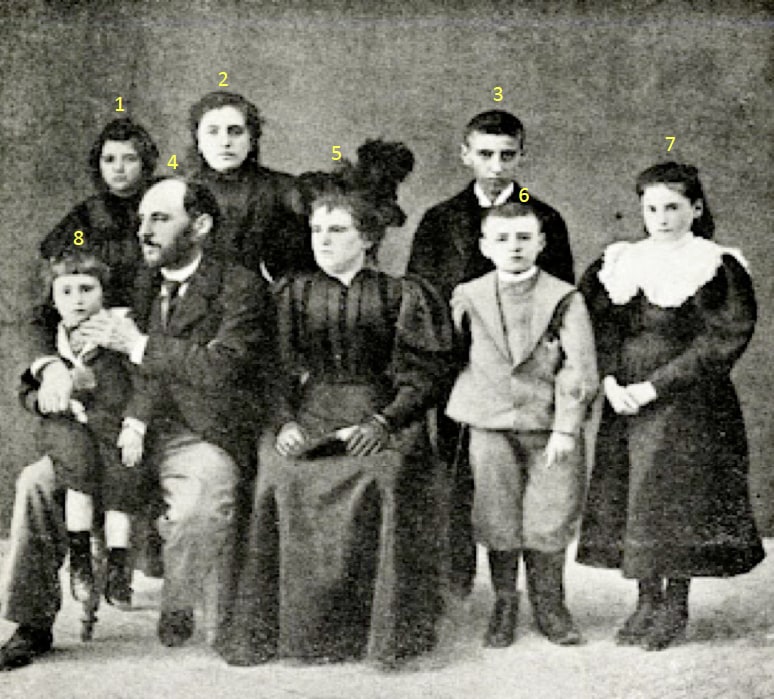
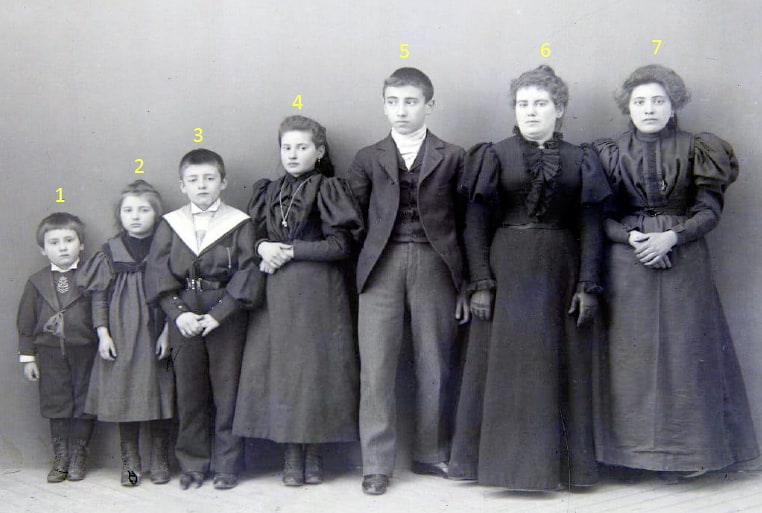
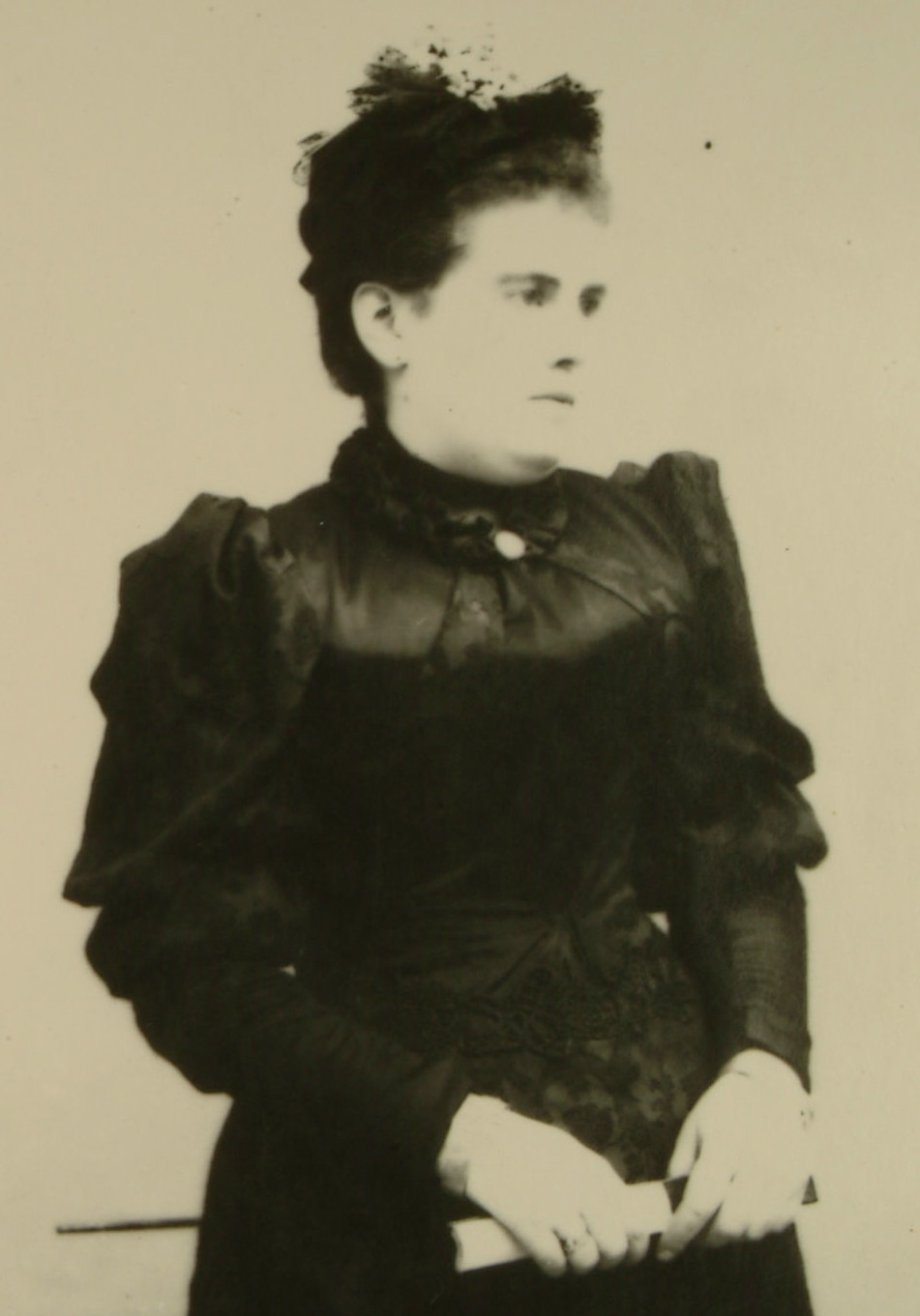
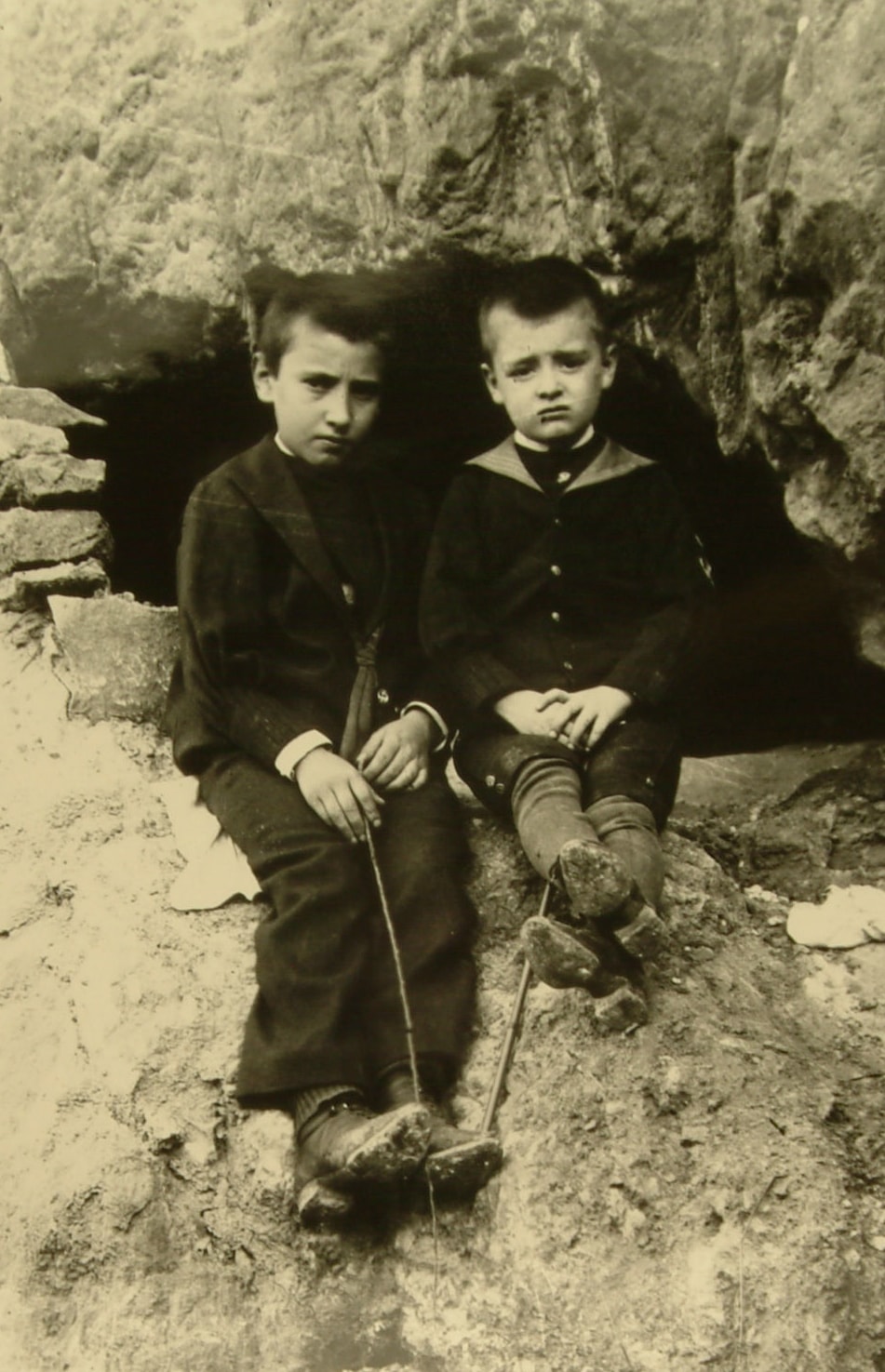
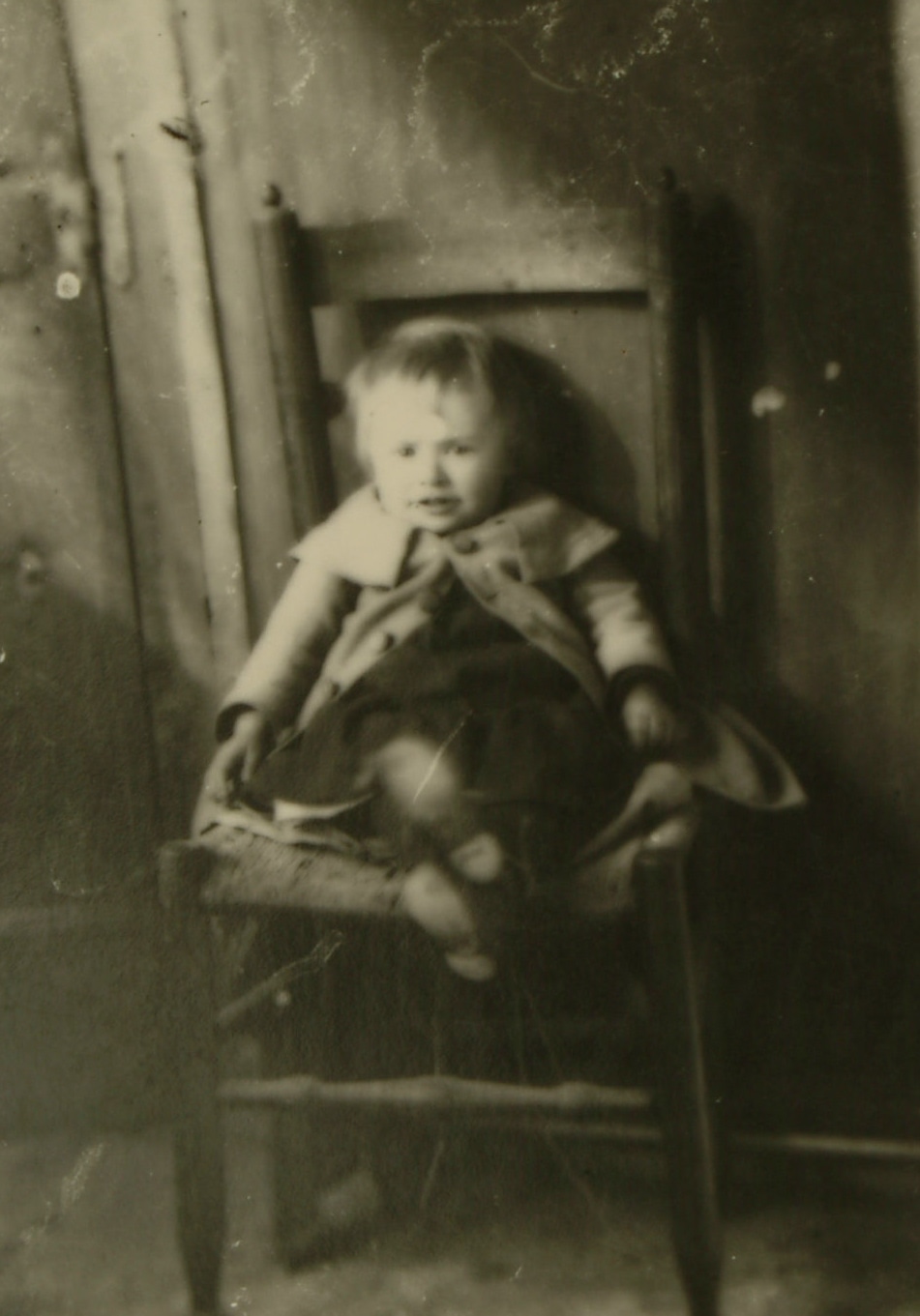
The Barcelona years, so fruitful scientifically, were also the most painful personally. In 1891, tragedy struck the family in devastating fashion: his son Santiago fell gravely ill with typhoid fever, which arrested his mental development and brought on the heart disease from which he would later die, and his daughter Enriqueta passed away at the age of four from tuberculous meningitis. This double tragedy left an indelible mark on the family. Cajal himself would confess that, to endure his “cruel tortures” (“crueles torturas”), he took refuge in work, “intoxicating himself” with the microscope to numb the pain.
The Seed of the Cajal School: A Master in Barcelona
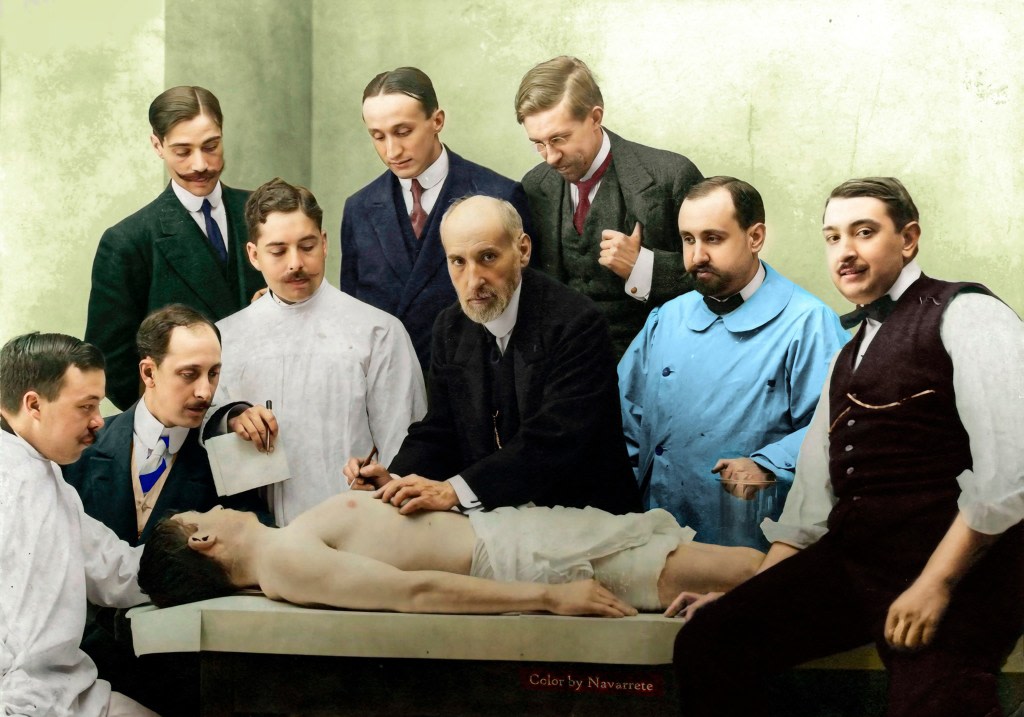
It is crucial to qualify the idea of Cajal as a “solitary genius” during his Barcelona period. While the famous “Cajal School” or “Spanish Histological School” was consolidated and flourished in Madrid, the seeds of his mentorship were planted in the Catalan capital. The act of fundamental discovery, carried out in the privacy of his domestic laboratory, was largely a personal endeavor—supported in the domestic sphere by his wife, Silveria Fañanás—but his teaching and his overwhelming scientific personality immediately began to attract a first and important circle of Catalan disciples and collaborators.
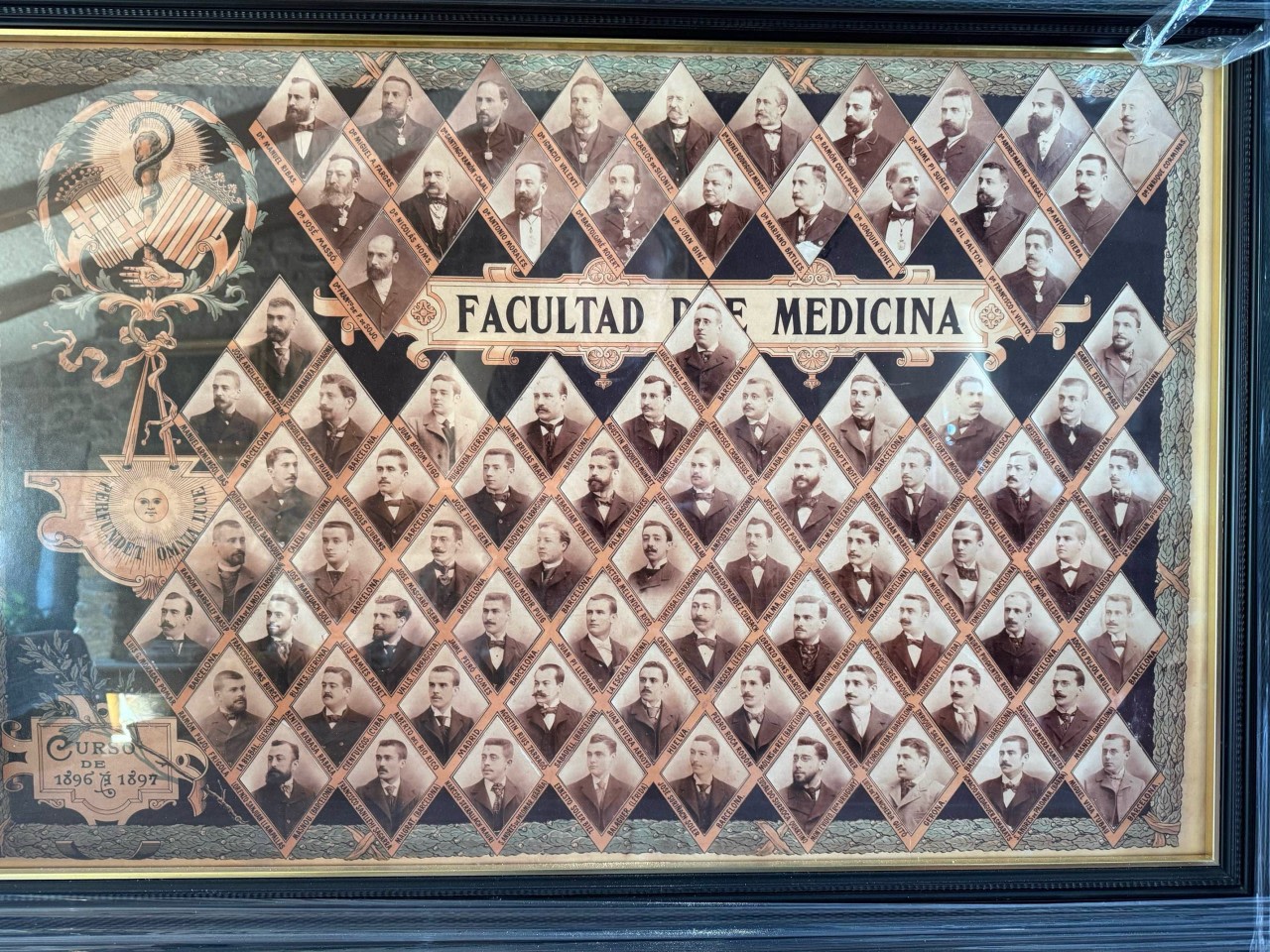
Far from total academic isolation, Cajal exerted a powerful attraction upon a first generation of young physicians and students who would become the seed of his future school. Among them were notable figures such as:
-
Manuel Durán y Ventosa: Considered his first disciple at the Barcelona chair.
-
Claudio Sala Pons: A collaborator so close that he not only published a paper with Cajal in 1891 but followed him to Madrid, where Cajal directed his doctoral thesis. He is considered one of the first members of the Spanish Histological School.
-
José M.ª Bofill y Pichot: Collaborated with him in his private laboratory between 1888 and 1890, where Cajal taught him his microscopy techniques.
-
Augusto Pi Gibert: Also a disciple of Cajal, he went on to publish a paper with him in the Revista Trimestral.
-
Gil Saltor y Lavall: Another of his disciples, who succeeded him in the Chair of Histology at Barcelona when Cajal transferred to Madrid in 1892.
-
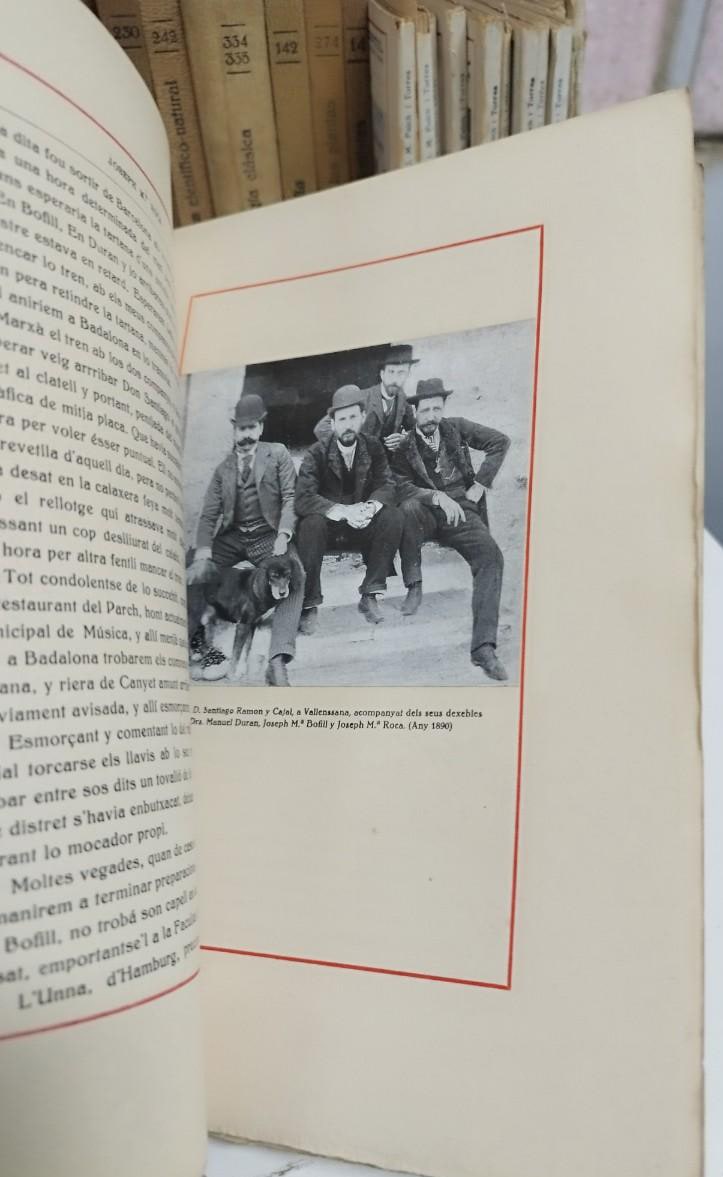
Joseph M.ª Roca Heras: Recognized as a disciple from this period, he was the one who years later would deliver the moving tribute speech lamenting Cajal’s departure from the city.
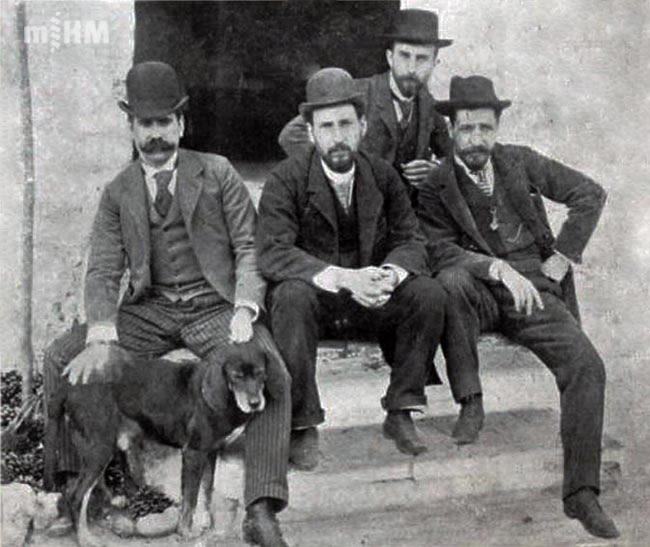
The relationship between master and disciples transcended the classroom, as attested by an 1890 photograph showing Cajal on an excursion in Vallirana with Bofill, Durán, and Roca, collecting salamanders for his studies. Therefore, the Barcelona years were not only the phase of intense and concentrated scientific creation but also the period in which Cajal began to forge the human capital and prestige that, later in Madrid, would enable him to build the collaborative and world-famous “Cajal School.”
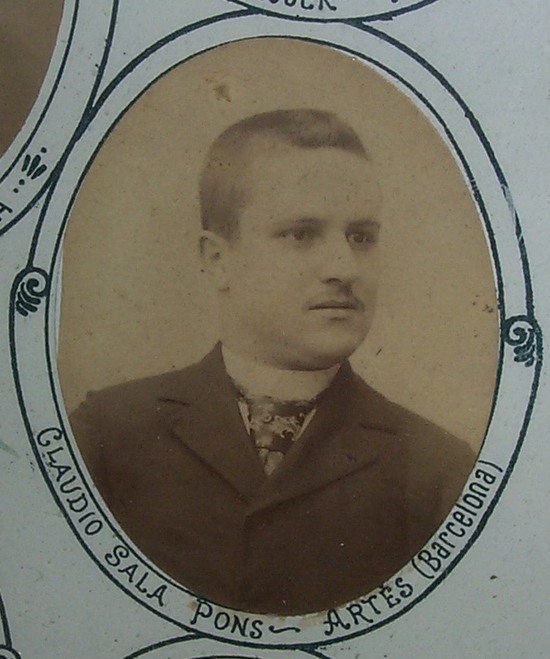 Claudio Sala Pons, portrait from the 1893 class composite photograph at the Faculty of Medicine of Barcelona. More information.
Chapter 5: From Barcelona to Berlin: The Campaign for Recognition
Cajal was fully aware that his discoveries risked falling into obscurity if they failed to gain recognition from the international scientific community, whose center of gravity lay in Germany. Consumed by a “fever of publication,” he founded his own Revista Trimestral de Histología Normal y Patológica in 1888 to ensure total control and rapid dissemination.
He saw his great opportunity in the congress of the prestigious German Anatomical Society, to be held in Berlin in 1889. After being denied financial assistance by the Ministry of Development, he funded the expedition from his own savings. His strategy in Berlin was a masterclass in scientific persuasion. He brought with him his own Zeiss microscope and his best preparations, and invited the most eminent histologists to look for themselves.
The impact was immediate. The clarity of his stains convinced the most respected figures of the era. The most important among them was the great Swiss histologist Rudolph Albert von Kölliker, one of the foremost world authorities. Kölliker not only accepted the new doctrine but became its most fervent international advocate, going so far as to learn Spanish in order to read Cajal’s works in their original language. Kölliker’s endorsement was the key that opened the doors to world recognition and sealed the acceptance of the Neuron Doctrine. The Nobel Prize he would receive in 1906 was, in reality, a long-delayed consequence of the decisive battles fought and won in Barcelona in 1888 and in Berlin in 1889.
Chapter 6: An Indelible Mark: The Legacy of the Barcelona Years
The five years Santiago Ramón y Cajal spent in Barcelona were not merely a chapter in his biography but the founding act of his scientific career and, by extension, of neuroscience. The ideas conceived, the techniques perfected, and the battles won in his Raval laboratory traced a direct line to international recognition and the highest accolade in science.
The Road to Stockholm
There is a causal and undeniable connection between the discoveries made in Barcelona between 1888 and 1891 and the awarding of the Nobel Prize in Physiology or Medicine in 1906. The Nobel Committee, in granting him the prize—which he shared, in one of the greatest ironies in the history of science, with his adversary Camillo Golgi—explicitly recognized “his work on the structure of the nervous system.” That work—the demonstration of the individuality of the neuron and the formulation of the principles of its connection and functioning—was conceived, executed, and defended from his chair and laboratory in Barcelona. The city was the stage where the oeuvre that would earn him the Nobel was forged.
Departure and Consequences
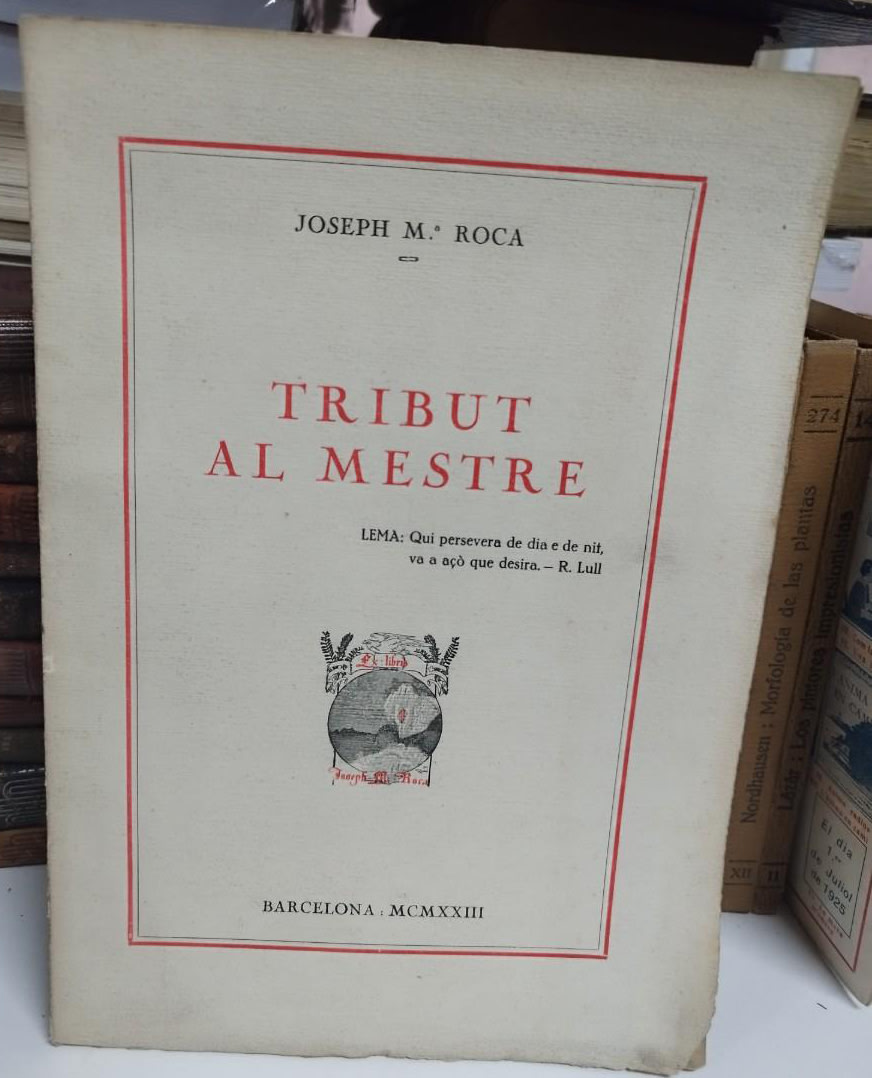
In 1892, Cajal accepted the Chair of Histology and Pathological Anatomy at the Universidad Central de Madrid, leaving behind the city that had witnessed his creative explosion. His departure was lamented in Catalan academic circles. Years later, in a 1923 tribute speech, Dr. Joseph M.ª Roca Heras, reflecting on the city’s inability to retain so illustrious a figure, uttered a revealing phrase: “És a dir que si Barcelona no el té és perquè els qui governaven la ciutat no el volgueren” (“That is to say, if Barcelona does not have him it is because those who governed the city did not want him”). This statement suggests a sense of missed opportunity, a veiled criticism of the lack of vision or resources on the part of local institutions to offer Cajal the conditions his genius deserved and that he would ultimately find in Madrid.
A Revolutionary Productivity
The Barcelona period was not only qualitatively revolutionary but also quantitatively astonishing. During this time, Cajal published a total of 54 works, including 52 monographs and 2 manuals, averaging 12.5 publications per year. The peak of productivity came in 1890, following the Berlin success, with 21 publications in a single year. The impact of this body of work has been enduring. An analysis of the Science Citation Index between 1945 and 1994 reveals that the works produced in Barcelona received 548 citations, a testament to their continued relevance decades later. To put this in perspective, during that same half-century, the entire oeuvre of his rival Camillo Golgi received 737 citations—barely 34% more than those garnered solely by Cajal’s works from his Barcelona lustrum.
Cajal’s Legacy in Contemporary Barcelona
More than a century later, Cajal’s imprint on Barcelona endures, though unevenly.
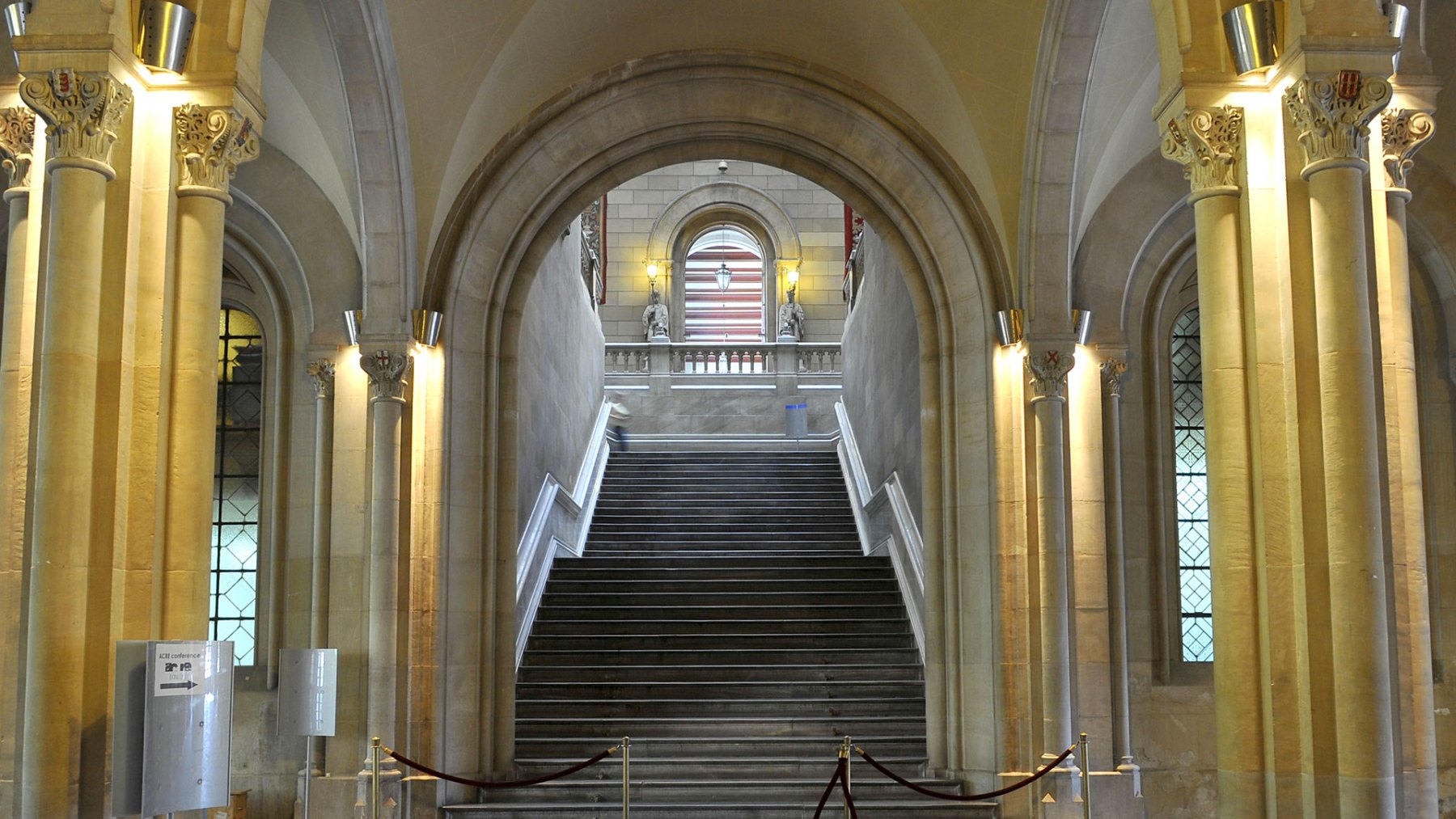
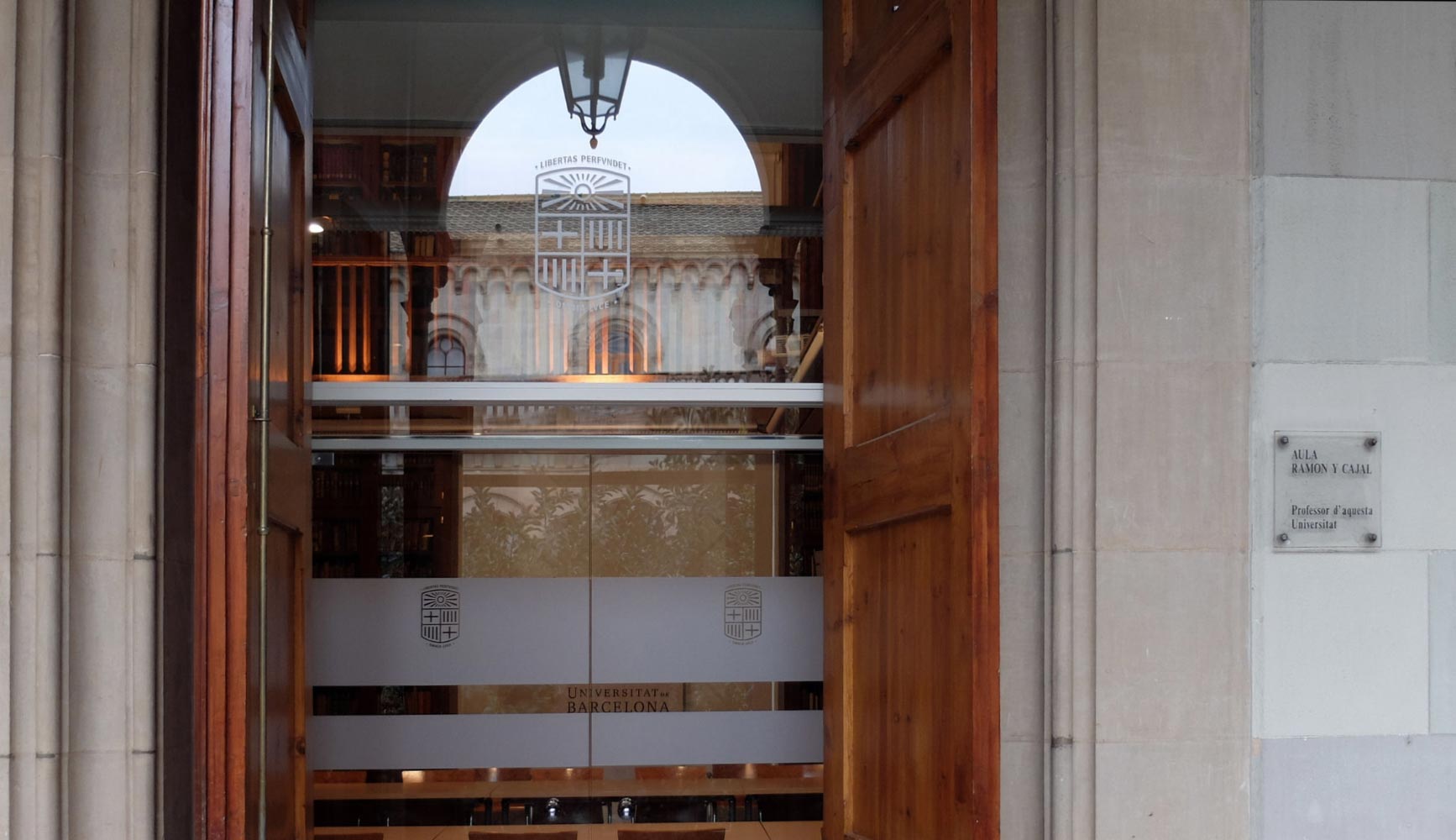
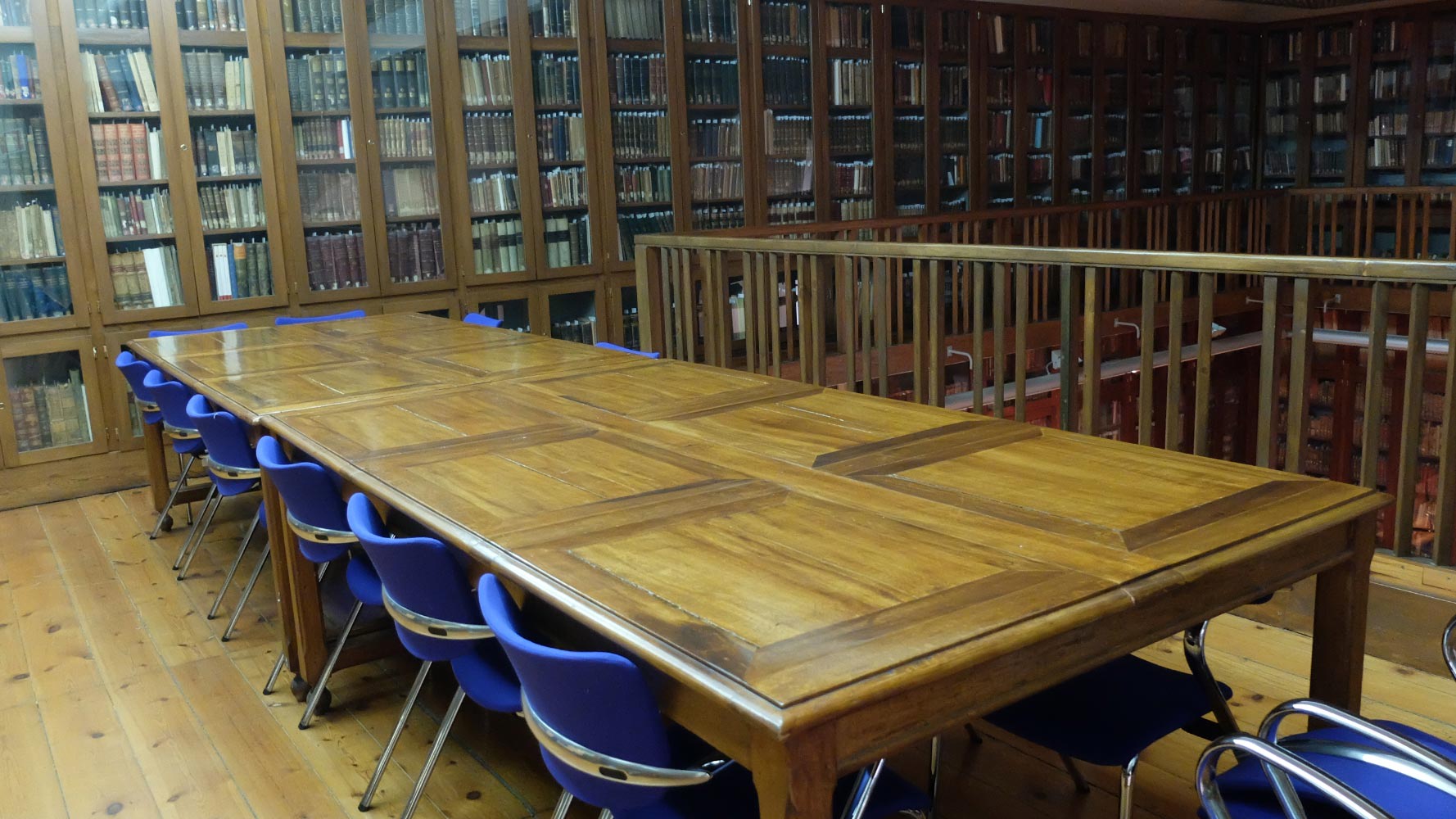
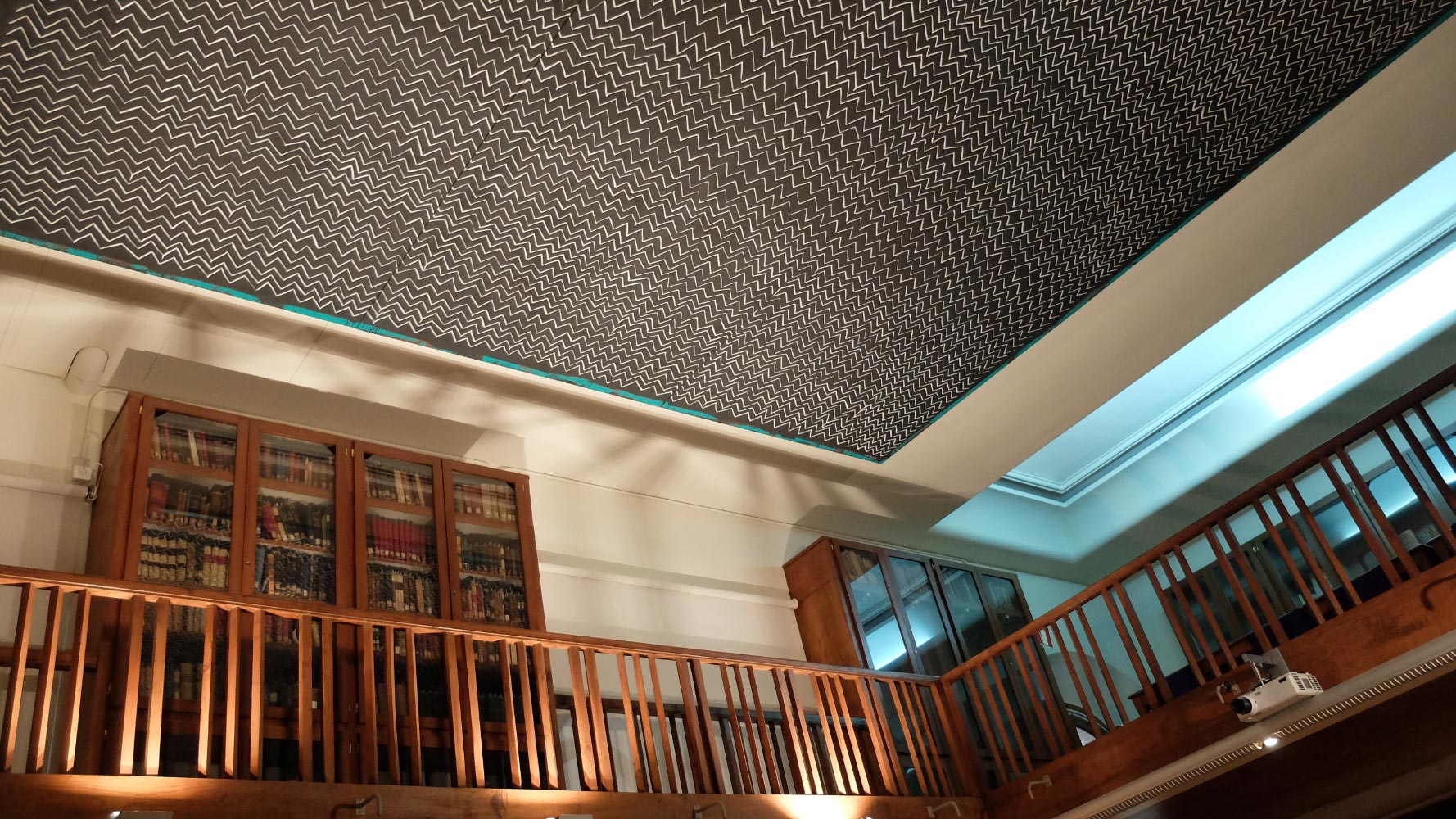
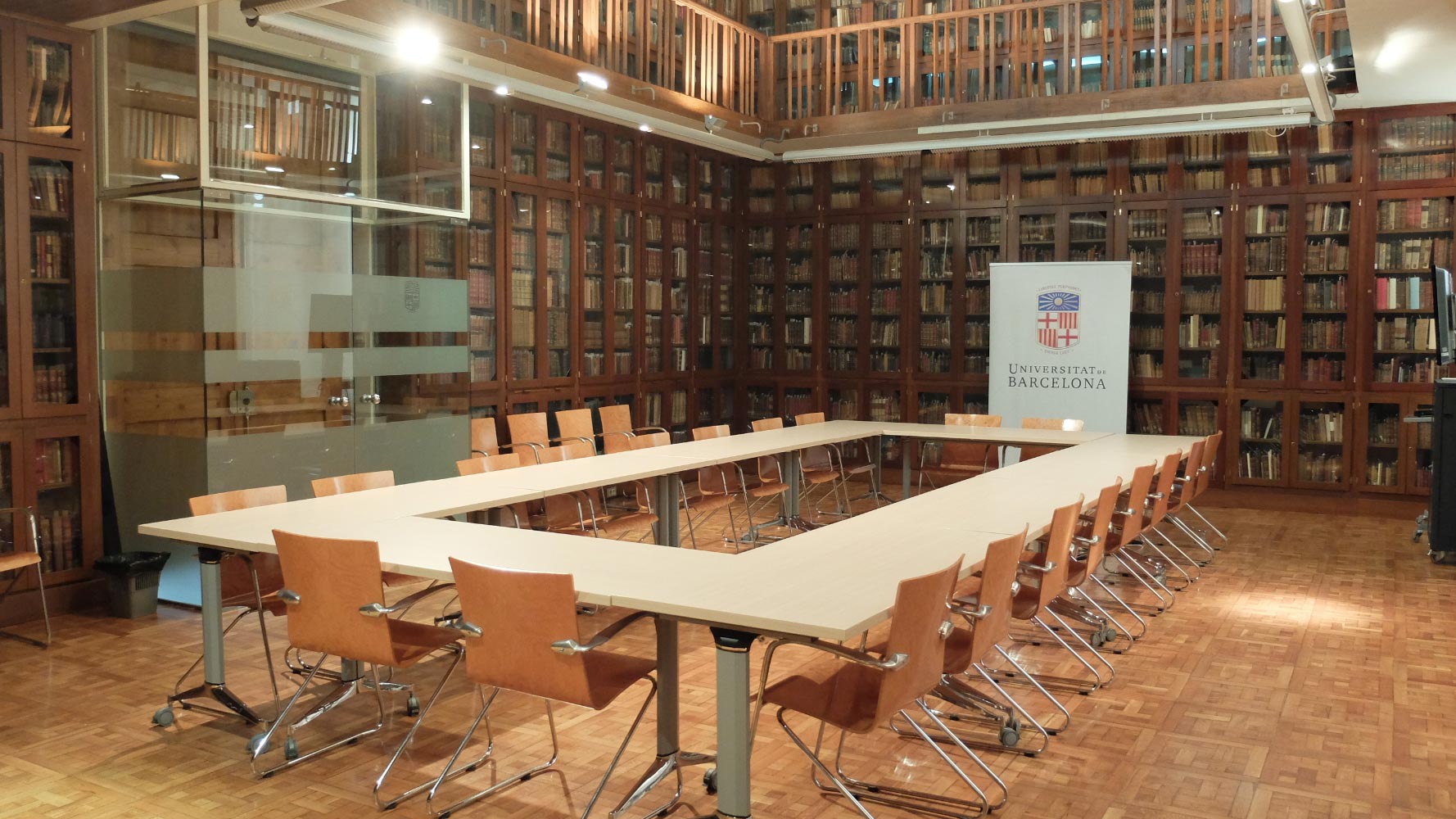
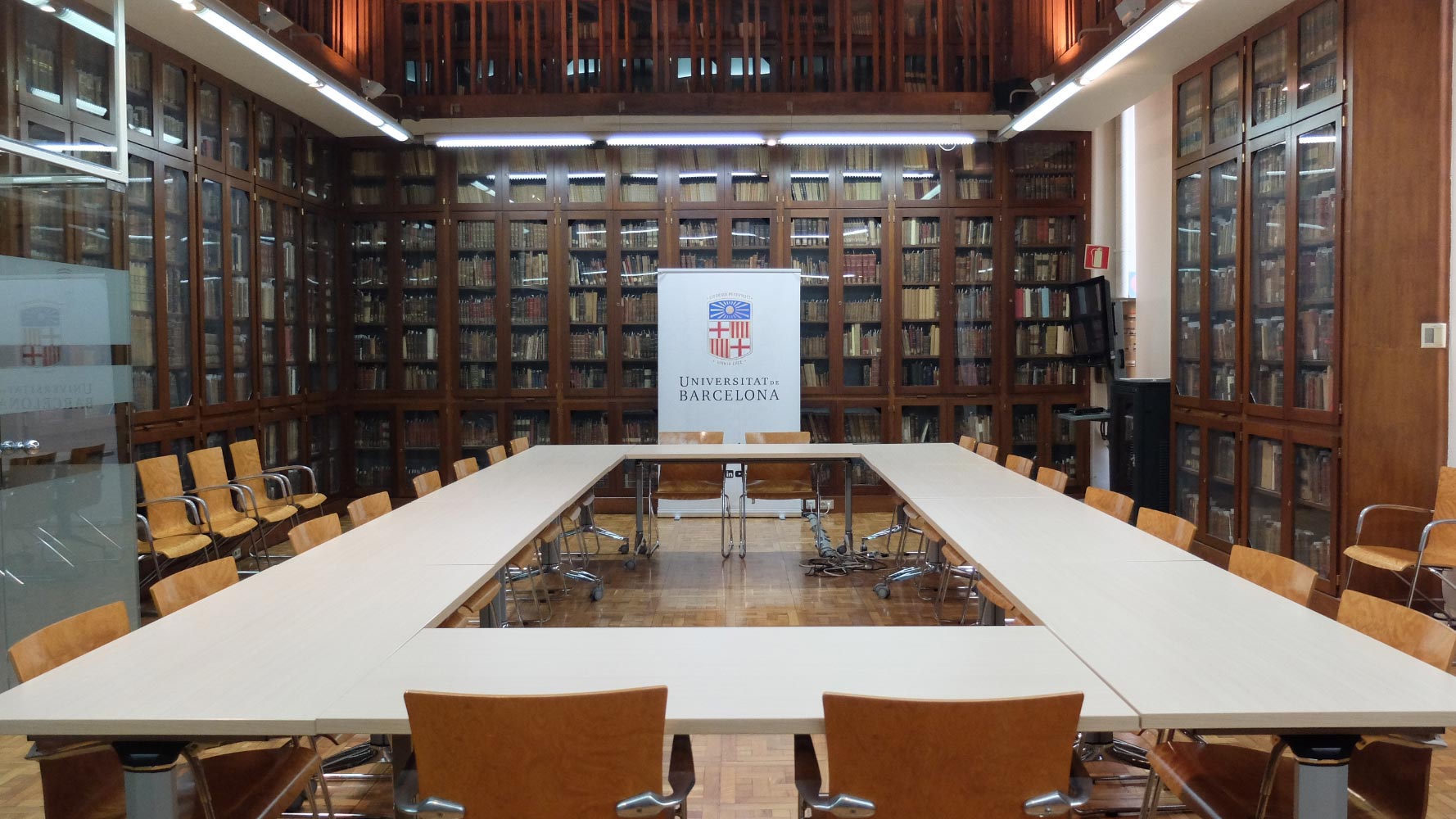
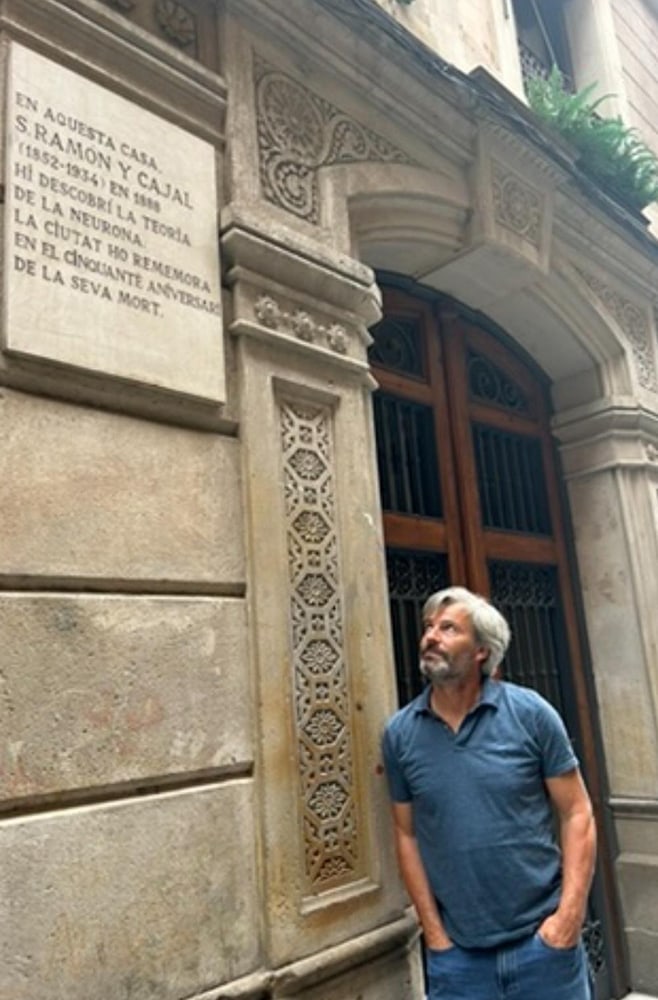
- Tangible Traces: Santiago Ramón y Cajal’s footprint in Barcelona is deep and lasting. The most direct and moving testimony to his work is found on the facade of his former residence, where a marble plaque placed in 1984 commemorates his discovery of the neuron theory in 1888. The city’s recognition was, moreover, remarkably swift. Barely a year after Cajal received the Nobel Prize in 1906, Barcelona’s City Council, in 1907, decided to name a street in his honor in the Gràcia district: Carrer de Ramón y Cajal. Institutional memory also preserves his legacy. The University of Barcelona celebrates him as one of its most illustrious figures, with the emblematic Aula Ramón y Cajal in its Historic Building (virtual tour), and actively participates in initiatives such as “MES CAJAL” to promote his heritage.
- The Absent Monument: Yet what does not exist is as revealing as what does. While Madrid dedicated an imposing monument to him in the Parque del Retiro, inaugurated in 1926, and Zaragoza honors him with an emblematic seated statue in its University’s Paraninfo, Barcelona—the city where he made the discoveries that justified such tributes—lacks a civic monument of comparable stature. This “absent presence” (“presencia ausente”) raises questions about the nature of historical memory and the city’s relationship with his legacy.
This particularity in the form of commemoration is, in itself, revealing. Cajal’s legacy in Barcelona is not cast in the bronze of a heroic, abstract figure but engraved in the stone of the exact site of the discovery.
Conclusion: The Creation of the Crucible
Ultimately, the five years Santiago Ramón y Cajal spent in Barcelona were the indispensable stage that transformed a promising histologist into the father of neuroscience. It was in the crucible of his domestic laboratory where, through tenacity, methodological innovation, and an iron will, he unveiled the best-kept secrets of the brain. The city, with its mixture of institutional indifference, endemic misery, and vibrant scientific energy, provided him with the space of freedom and the friction necessary to carry out his revolution in solitude. His global legacy, today recognized as a UNESCO World Heritage, has its indisputable roots in the stained preparations and meticulous drawings that emerged from a flat in the Raval. The story of Cajal in Barcelona is, ultimately, a powerful testament to how individual will can overcome material limitations to change the course of human knowledge forever.
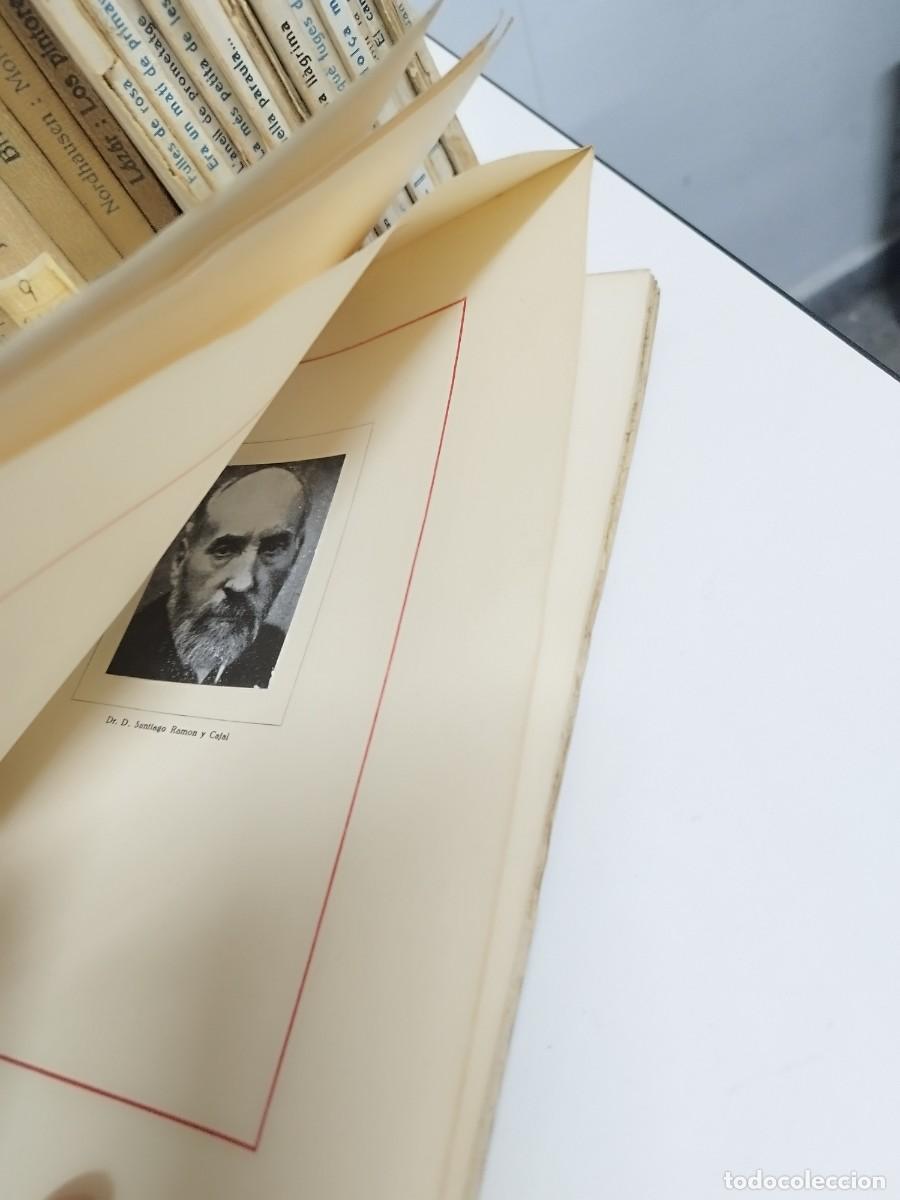
Tribute to the Master — Tribut al Mestre
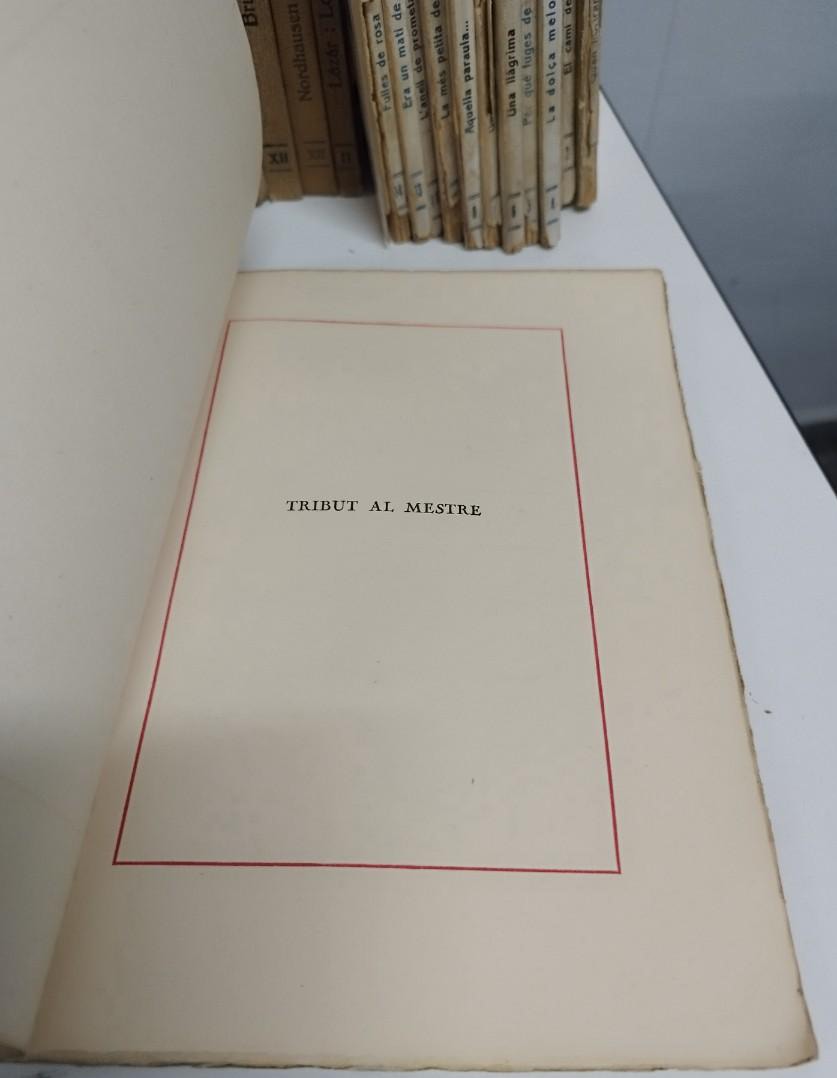
La ciutat no ha d’ésser ingrata oblidant l’home que a la iniciació de la sua carrera triomfal anava del braç amb ella: professor de Barcelona, en llurs respectius llenguatges, l’intitulaven els seus comentadors i panegiristes.
La ciutat solemne que sintetitza Catalunya, que vol col·laborar en la civilització mundial, no ha d’ignorar l’obra d’un dels grans artífexs de l’ideal i el predomini de perversió humana que sofrim.
L’home que del no-res, únicament amb son propi esforç posat al servei d’una intel·ligència privilegiada, és arribat a guanyar-se entre els escollits la categoria de príncep, és mereixedor de la màxima honor que pugui tributar-li una ciutat.
Bé, poden, doncs, els consellers de Barcelona, representant la ciutat nostrada, com a acte de justícia i simbòlica expiació, enaltirsa memòria com a reconeixença dels seus mèrits excepcionals, recordant la llegenda que l’Acadèmia Francesa posà al bust de Molière que amb retard li erigí: “Res manca a sa gloria: ell mancava a la nostra”.
Una ciutat de tradició democràtica ha de sentir-se orgullosa d’alçar damunt el pavès un ciutadà eminent, quan aquest pavès té la divisa armòrica com cap altra enaltidora, meritíssima com cap altra, reveladora de tota una vida d’esforç i sacrifici: “Ad augusta per angusta”.
The city must not be ungrateful by forgetting the man who, at the beginning of his triumphant career, walked arm in arm with it: professor of Barcelona, in their respective languages, his commentators and panegyrists would call him.
The solemn city that embodies Catalonia, which wishes to collaborate in world civilization, must not ignore the work of one of the great architects of the ideal of perfection whose decline has brought us the crisis of dignity and the predominance of human perversion that we suffer. The man who, from nothing, solely by his own effort placed at the service of a privileged intelligence, has come to earn among the chosen the rank of prince, is deserving of the highest honor a city can bestow.
The councillors of Barcelona, representing our city, may well, as an act of justice and symbolic expiation, exalt his memory in recognition of his exceptional merits, recalling the inscription the French Academy placed on the bust of Molière that it belatedly erected: “Nothing is lacking in his glory: he was lacking in ours.”
A city of democratic tradition must feel proud to raise upon the shield an eminent citizen, when that shield bears a heraldic motto like no other ennobling, meritorious like no other, revealing of an entire life of effort and sacrifice: “Ad augusta per angusta.”
Tribut al Mestre — Docs.Santiagoramonycajal
Relevant Bibliography
-
Corbella, J. (2003). Alguns aspectes de l’obra històrica del doctor Josep Maria Roca i Heras (1863-1930): les Notes medicals històriques. Gimbernat: Revista d’Història de la Medicina i de les Ciències de la Salut, 40, 141-151.
-
Garrut, J. M. (1976). L’Exposició Universal de Barcelona de 1888. Barcelona: Ajuntament de Barcelona, Delegació de Cultura.
-
Llinás, R. R. (2003). The contribution of Santiago Ramón y Cajal to functional neuroscience. Nature Reviews Neuroscience, 4(1), 77-80.
-
Ramón y Cajal, S. (1888). Estructura de los centros nerviosos de las aves. Revista Trimestral de Histología Normal y Patológica, 1.
-
Ramón y Cajal, S. (1889). Manual de histología normal y técnica micrográfica. Valencia: Librería de Pascual Aguilar.
-
Ramón y Cajal, S. (1890). Manual de anatomía patológica general. Barcelona: Imprenta de la Casa Provincial de Caridad.
-
Ramón y Cajal, S. (1901-1917). Recuerdos de mi vida (2 vols.). Madrid: Imprenta de Nicolás Moya.
-
Timoner Sampol, G., & Gamundi Gamundi, A. (2002). L’obra de Santiago Ramón y Cajal a la Universitat de Barcelona (desembre de 1887-abril de 1892). Gimbernat: Revista d’Història de la Medicina i de les Ciències de la Salut, 38, 247-265.


