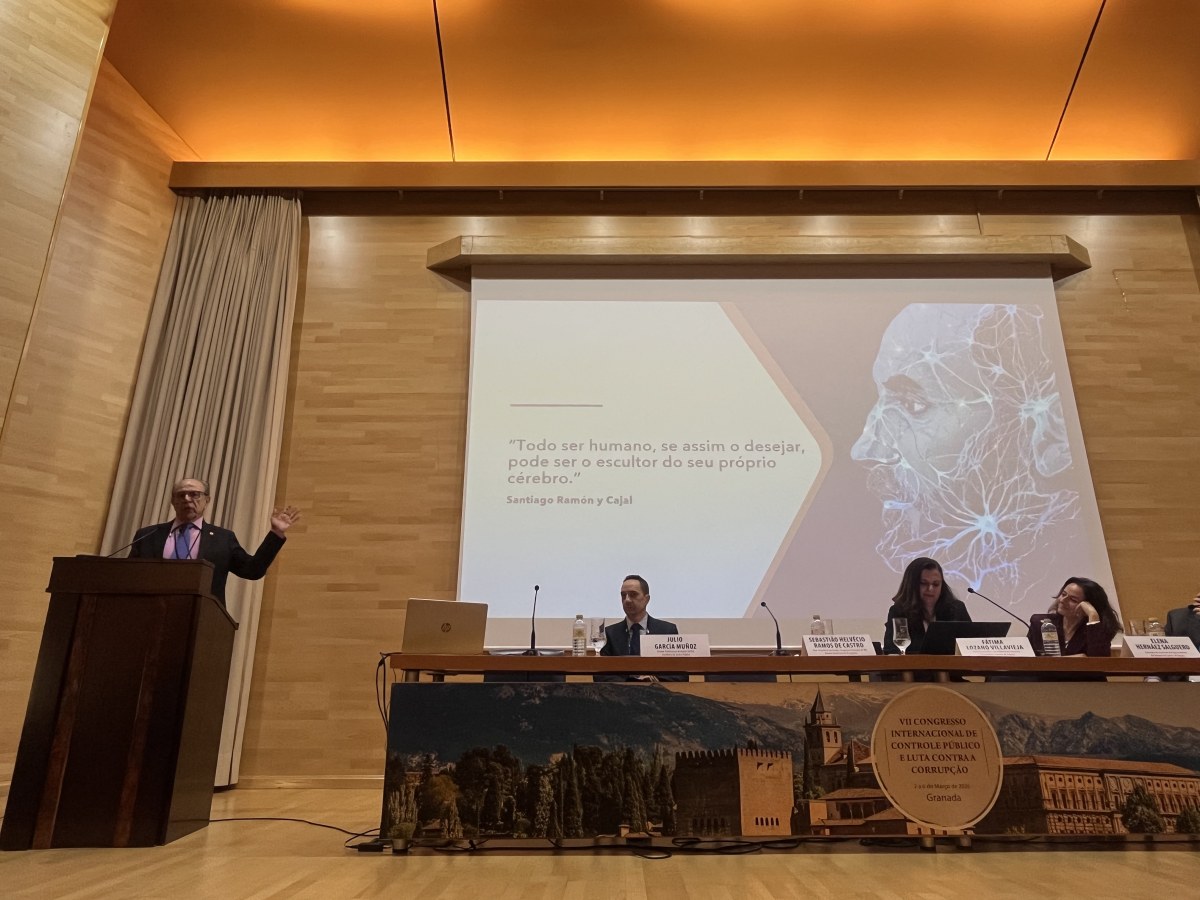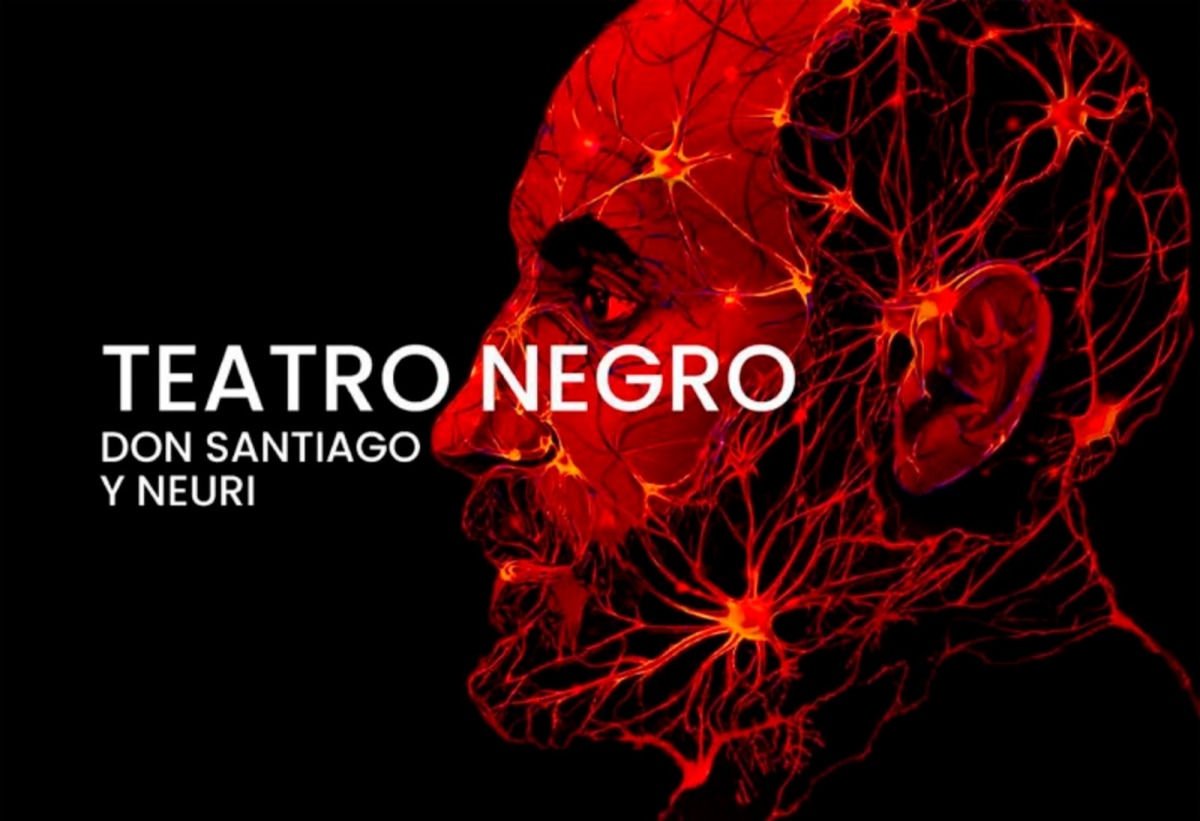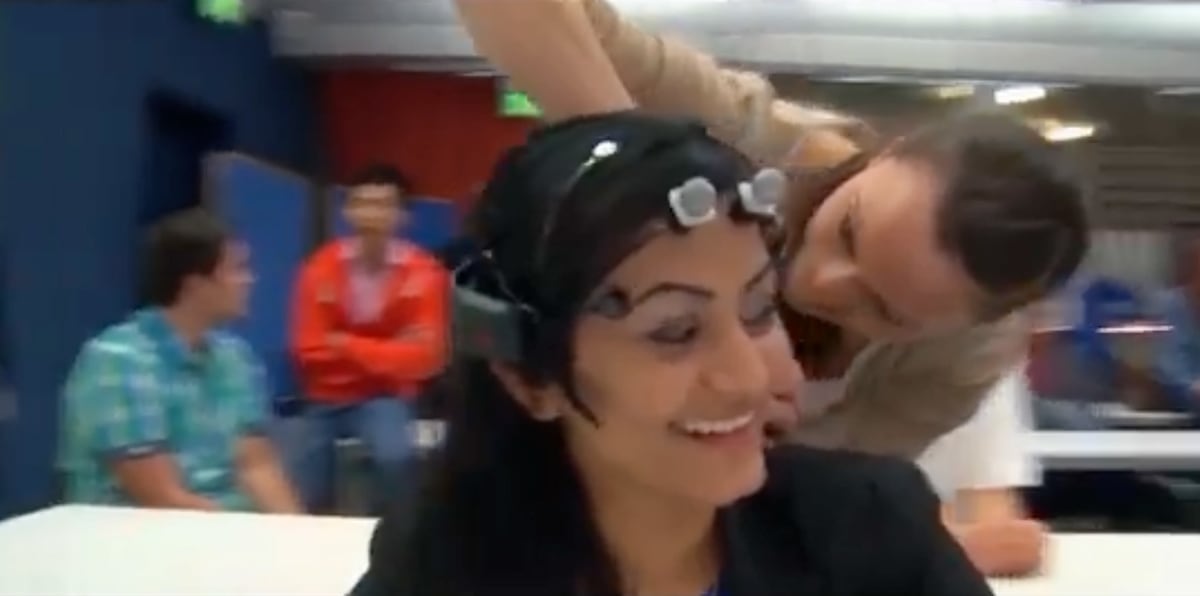
“Every man can, if he so desires, become the sculptor of his own brain.” Cajal wrote these words as a hymn to human will. In 2026, the phrase has acquired a meaning the master from Petilla de Aragón could never have imagined: there are corporations that aspire to sculpt that brain before its owner does, extracting its electrical data through consumer headsets and headbands.
The “neural economy” has transformed the brain’s electrical activity into the most valuable asset of surveillance capitalism. While Cajal spent his entire life mapping the nervous system to understand life itself, neurotechnology companies now collect those same electrical maps to understand — and eventually influence — consumer behaviour. The debate over neurorights is no longer academic: it is urgent.
The Chilean Milestone: The World’s First Neural Data Ruling
In August 2023, the Supreme Court of Chile handed down the world’s first ruling on neural data in the Girardi/Emotiv case (Case No. 105.065-2023). The court found that Emotiv had violated the user’s physical and psychological integrity by conditioning access to their own brain data on a subscription payment and retaining it for research without explicit consent.
The consequence was immediate: the company was ordered to delete the data and register the device with health authorities. The precedent is historic: neural data are not ordinary personal data. They are an extension of the nervous system, and their protection is an extension of fundamental human rights.
The Market: $19.84 Billion and the Second Wave
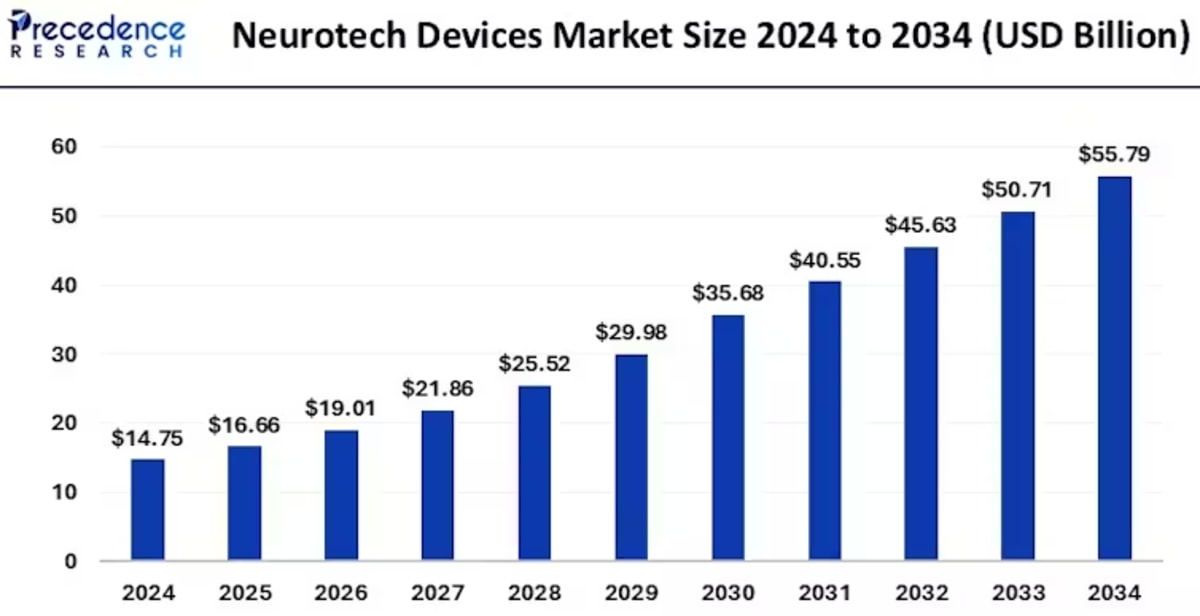
The global neurotechnology market is projected at around $19–19.84 billion in 2026, growing at an annual rate of 14.4% according to Research and Markets, which estimates the sector will reach $29.8 billion by 2029. The so-called “second wave” integrates invisible sensors into earbuds (Smartbuds) and headbands that decode cognitive states through two primary technologies:
- EEG — measures delta (deep sleep), theta (meditation), alpha (relaxation), beta (focus) and gamma (complex processing) waves, with reported accuracy of 81-90% for cognitive load.
- PPG — measures heart rate variability to infer emotions, with up to 92.16% accuracy in anxiety detection.
Despite the advances, spatial resolution remains limited to 2-3 centimetres, generating significant false positive rates in non-clinical environments. These devices are marketed for meditation, focus and sleep, collecting intimate data under legal frameworks that barely contain the mental privacy breach.
Legislation: The US MIND Act and State Laws
The MIND Act (September 2025) empowers the FTC to oversee neural data governance, prohibiting federal agencies from using technology that violates mental privacy. At state level, legislation advances firmly:
- Colorado (HB24-1058): first law protecting neural data as sensitive “biological data”.
- California (SB 1223): includes them as sensitive personal information under the CCPA.
- Montana (SB 163): covers “mental augmentation” for the first time.
In Europe, the EU AI Act prohibits in Article 5 emotion recognition in workplace or educational settings and subliminal manipulation causing psychological harm. In Spain, Cantabria became the European pioneer by introducing neurorights into its draft Digital Health Act (2025).
The Five Pillars of Neurorights
The Neurorights Foundation, founded by neuroscientist Rafael Yuste of Columbia University — the driving force behind the BRAIN Initiative and the concept of neurorights at the UN — proposes universal codification built on five pillars:
- Mental privacy — explicit consent to decode brain activity.
- Personal identity — protection of the “self” against externally induced alterations.
- Free will — guarantee that decisions cannot be externally manipulated.
- Fair access — prevention of social stratification through cognitive augmentation.
- Protection from algorithmic discrimination — transparency and fairness in AI models processing neural data.
Cajal’s Legacy as an Ethical Compass
Santiago Ramón y Cajal devoted his life to demonstrating that the nervous system is the seat of human individuality. Every neuron, every synaptic connection, was for him the physical expression of something irreducible: the capacity to think, feel and decide. What neurorights defend in 2026 is exactly that: that this individuality cannot be bought, sold or manipulated without the explicit consent of its owner.
The brain that Cajal mapped with ink and patience was not merely an object of study. It was, and remains, the place where human freedom resides. The regulation of neural data is not a technical debate: it is the continuation, by other means, of the same battle Cajal fought against those who wanted to reduce the nervous system to a continuous and predictable network. The brain is not a network. It is a universe of sovereign cells. And every one of them deserves protection.
Sources
- The Conversation — Your brain for sale: the new frontier of neural data
- Supreme Court of Chile — Case No. 105.065-2023 (Girardi/Emotiv)
- Neurorights Foundation — Rafael Yuste, Columbia University
- MIND Act (US, September 2025) — Federal Trade Commission
- Colorado HB24-1058 · California SB 1223 · Montana SB 163
- EU AI Act, Art. 5 — Prohibited AI practices
- AMA Resolution 503 (2025) — Neural data protection
- Colorado Privacy Act — neurodata provisions
- Research and Markets (2025). Neurotechnology Market Report 2025. CAGR 14.4% forecast 2025-2029. researchandmarkets.com