On 25 February 2026, Queen Letizia received in audience a delegation from the Spanish Brain Council. It was not a courtesy visit. The Council’s representatives arrived with something concrete in hand: the first comprehensive analysis of the brain-science research ecosystem in Spain, with a structured and comparative view of the period 2014–2024.
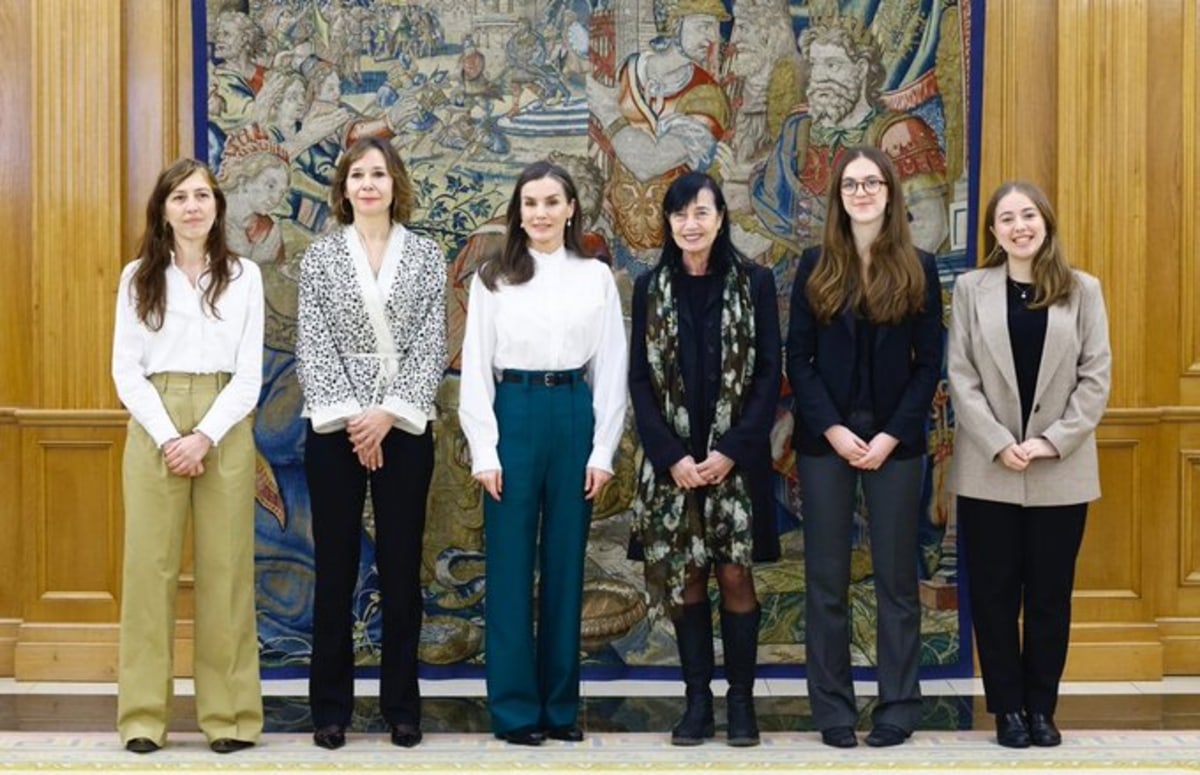
The Council’s president, Mara Dierssen, summed it up precisely: “Having objective and comparable data is essential to plan effective scientific and health policies. This report not only describes the current situation, it offers a solid basis to project the future of Spanish neuroscience and maximise its impact on health and society.”
On 15 April 2026, that report is presented to the world.
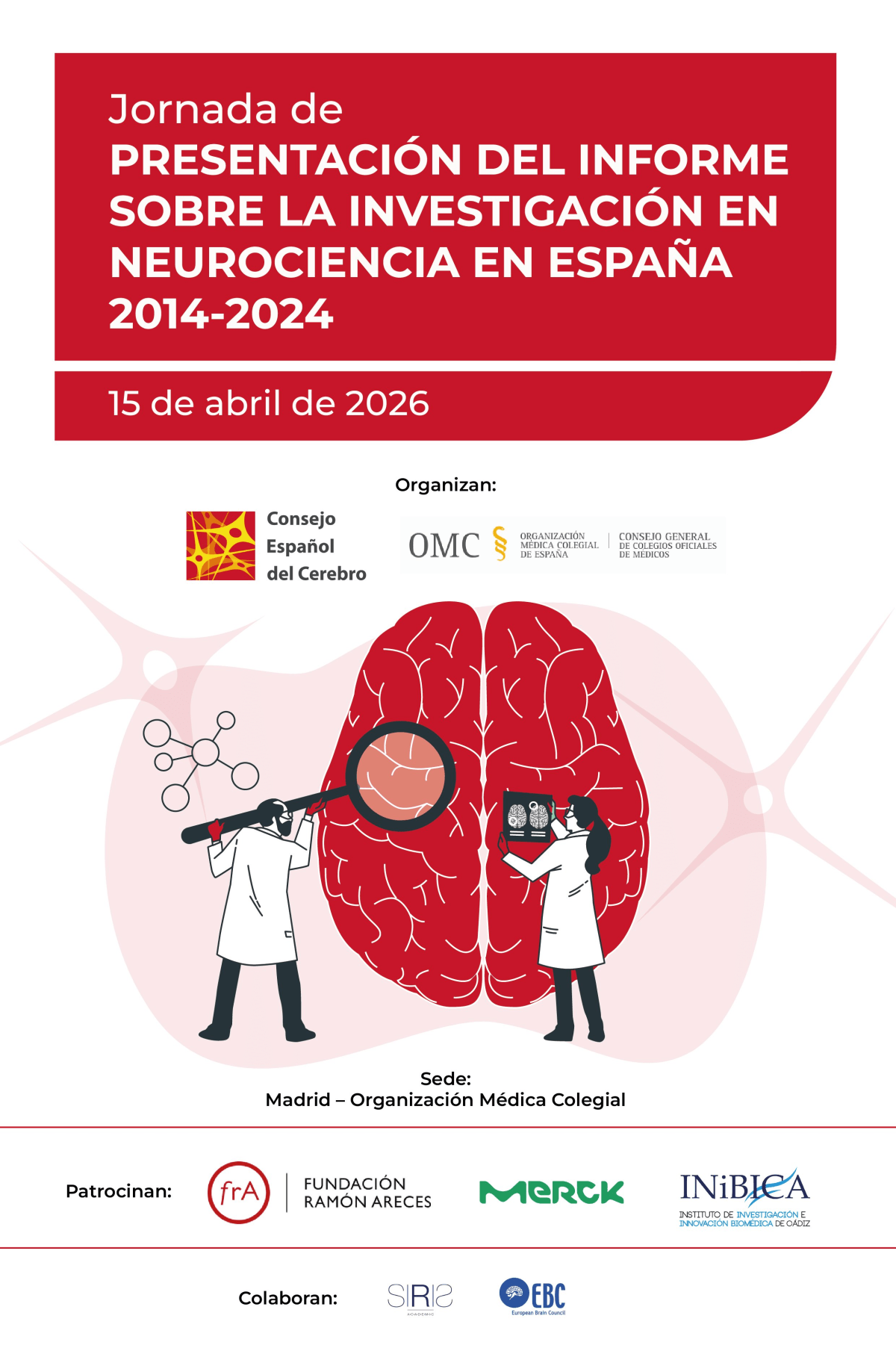
An appointment in Plaza de las Cortes
On 15 April at 4:00 p.m., the Presentation Day of the Report on Neuroscience Research in Spain 2014–2024 will be held at the headquarters of the Spanish Medical Council (Plaza de las Cortes 11, Madrid), an initiative driven by the Spanish Brain Council. Attendance is free, with prior registration, until capacity is reached.
The day is conceived as a space for reflection and dialogue between institutional leaders, the scientific community and representatives of funding agencies. The objective is clear: to reinforce the role of research as the central axis of the Spanish Brain Plan.
The event is sponsored by the Ramón Areces Foundation, Merck and INIBICA, with the collaboration of the European Brain Council (EBC) and SIRNE.
The first map of Spanish neuroscience
The document offers a comprehensive analysis of the brain-science research ecosystem in Spain, with a structured and comparative view of the 2014–2024 period, and incorporates data on scientific output, impact, international collaboration, funding and areas of specialisation.
It is, in the words of those who produced it, the first analysis of its kind in Spain. Ten years of brain science, measured, compared and projected into the future. A tool the scientific community had long needed in order to argue before funders and institutions what everyone knew qualitatively but could not demonstrate with data.
The Spanish Brain Council has also recently published the article “Promoting brain health across the lifespan: Socioeconomic burden, global recommendations, and the Spanish national plan” in the journal Neuroscience Applied (Volume 5, 2026), which analyses the socioeconomic impact of neurological and psychiatric disorders and presents the Spanish Brain Plan as a key national strategy.
A new generation at the helm
Together with the report, the Council presented to Queen Letizia the Young Section of the Spanish Brain Council: a new permanent structure aimed at reinforcing the active participation of the new generations of researchers in the promotion of Spanish neuroscience.
It is a gesture Cajal would have applauded. The Nobel laureate had a constant concern for training young scientists, for building a school, for ensuring the work would not die with him. The Spanish School of Neurohistology he founded was, above all, a commitment to generational renewal. The CEC’s Young Section is, in that sense, profoundly Cajalian.
Why it matters, on 15 April and beyond
15 April 2026 is not just the presentation of a report. It is the day when Spanish neuroscience looks at itself in the mirror and decides what it wants to see. Whether research has grown, and where. Whether international collaboration has improved, with whom and in which areas. Whether funding has been sufficient, and where the bottlenecks lay.
And it is also the day before the III Salamanca por Cajal: Art, Science and Technology 2026. Two consecutive days, Madrid and Salamanca, with the brain as protagonist. It is no coincidence: it is the state of Spanish neuroscience in 2026.
Free registration (until capacity is reached): congresos.consejocerebro.es/15abril
Organised by: Spanish Brain Council · Venue: OMC, Plaza de las Cortes 11, Madrid · Time: 4:00 p.m.