Dedicated to Ana Valencia, director of the ASPACE Virgen de Orreaga School, and to the twenty-one artists who made Cajal shine.
Some stories don’t begin with a curtain rising. This one began with an award, a drawing, and the seed of something nobody yet knew was going to flower in such a way.
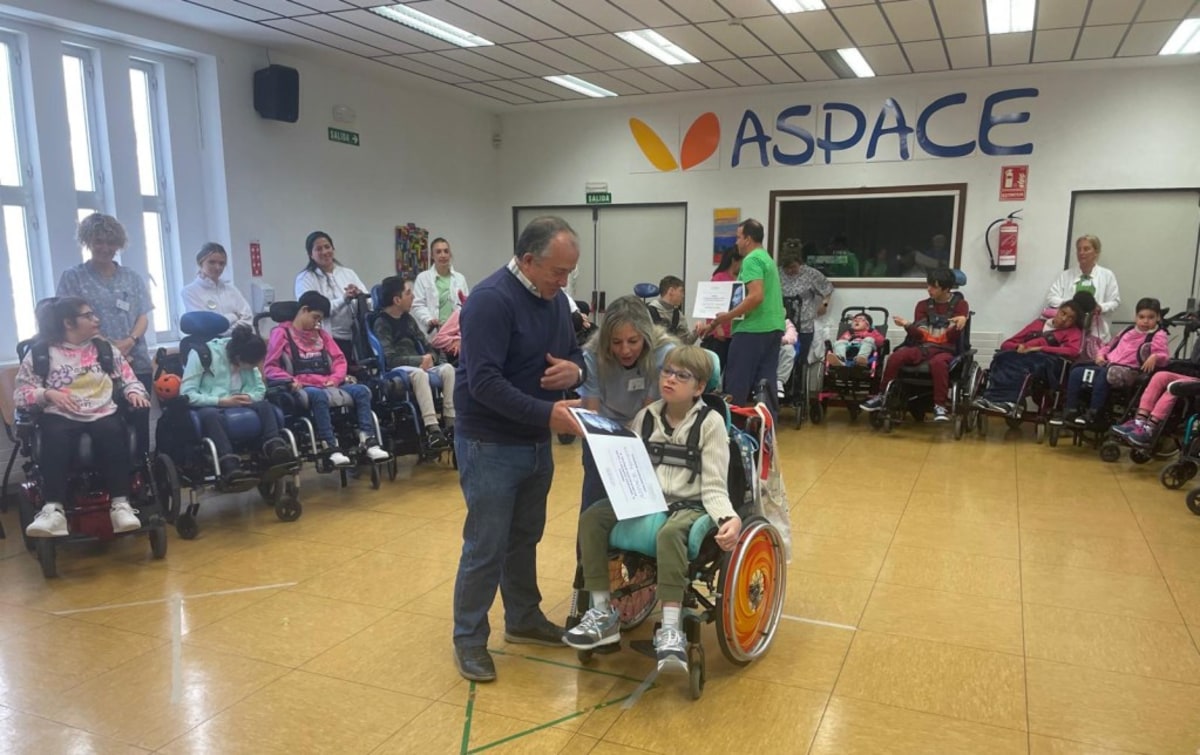
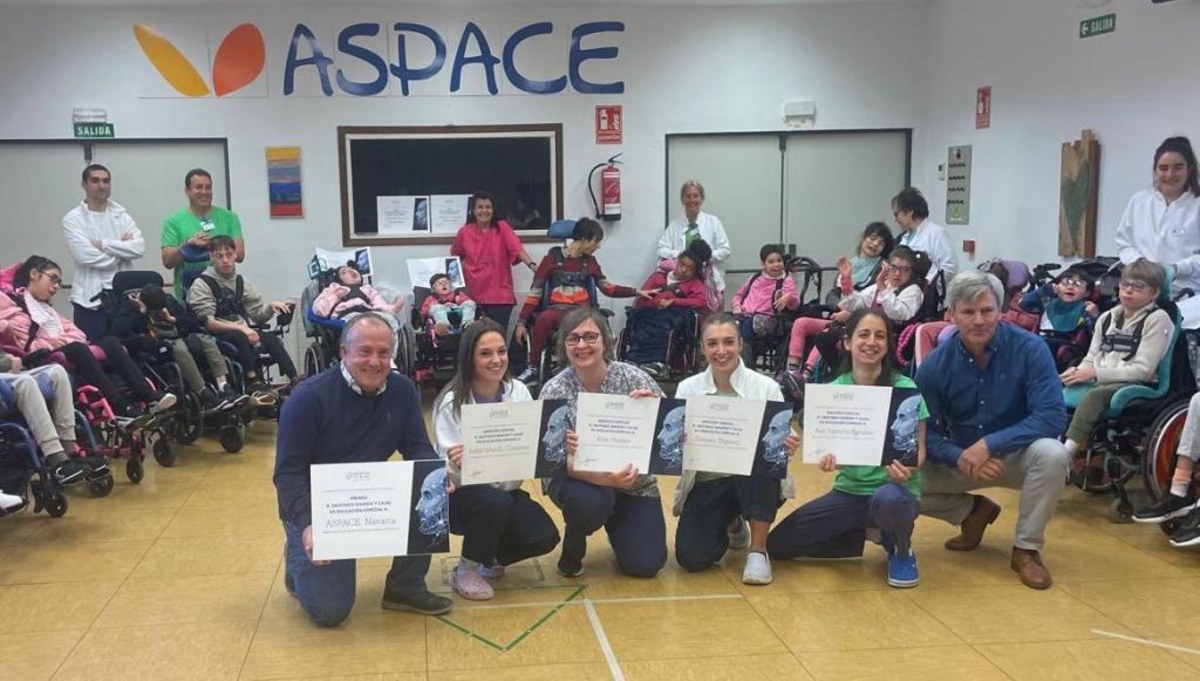
In April 2024, at the first edition of the Ramón y Cajal Awards held in Salamanca, the jury was deeply moved when it received the drawings made by the pupils of the Virgen de Orreaga Special Education School of ASPACE Navarra. These were not simply drawings. They were neurons observed, recreated, felt. The jury made a decision: the I Ramón y Cajal Award in Special Education would be shared, and one of the recipients would be the Ramón y Cajal Centre of ASPACE Navarra.
What happened next is one of the most beautiful stories this archive has produced.
The award that changed everything
ASPACE — the Spanish Confederation of Organisations for People with Cerebral Palsy — has spent decades doing exactly what Cajal would have recognised: observing patiently, trusting in the capacity to learn, and refusing to accept that the limit lies where others place it. The Ramón y Cajal Centre of ASPACE Navarra has carried the Nobel laureate’s name long before this project began. But it was the encounter with his story that lit something new.
The I Ramón y Cajal Award in Special Education was a validation. Above all it was an invitation. Ana Valencia, director of the centre, saw in that recognition the chance to go further: to turn her pupils into the active protagonists of the Nobel laureate’s legacy. Not into recipients of his story. Into its interpreters.
As Ana Valencia puts it:
“Cajal’s life reminds us that all of us have talents that deserve to be discovered and developed, and that with effort everything is possible.”
Gallery · I Ramón y Cajal Award in Special Education
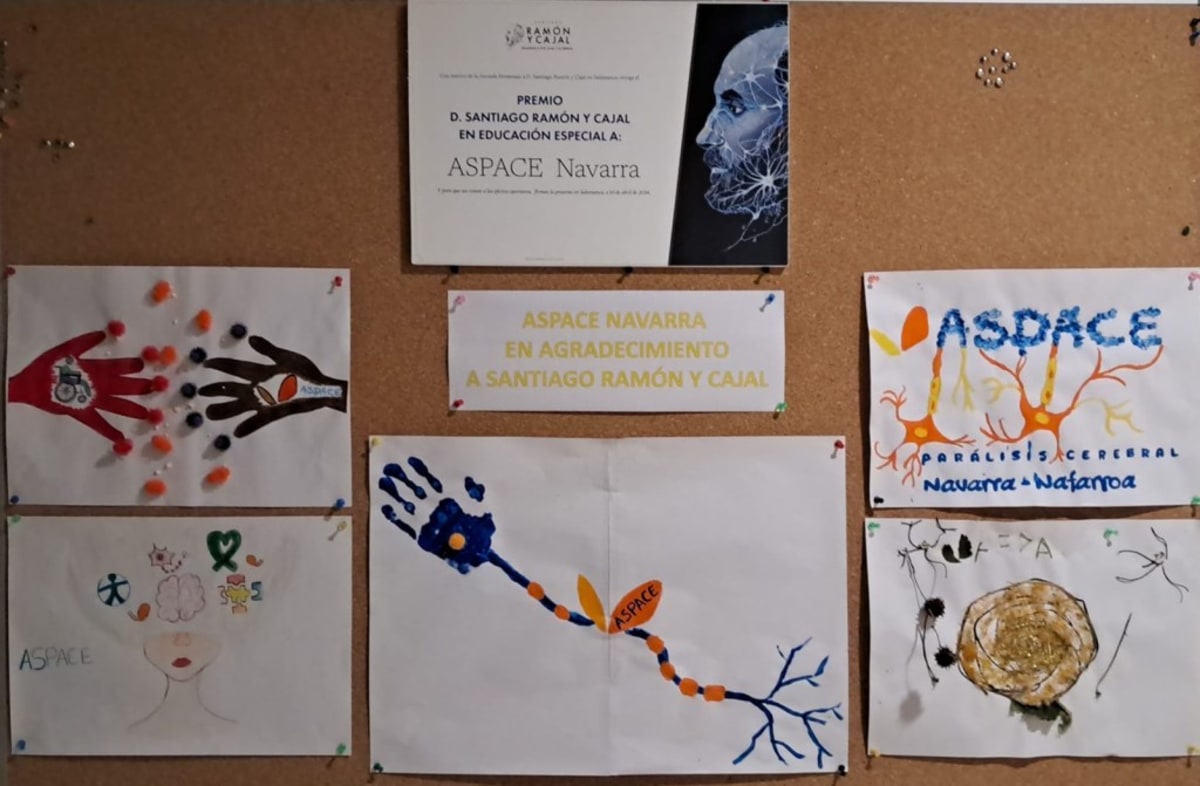
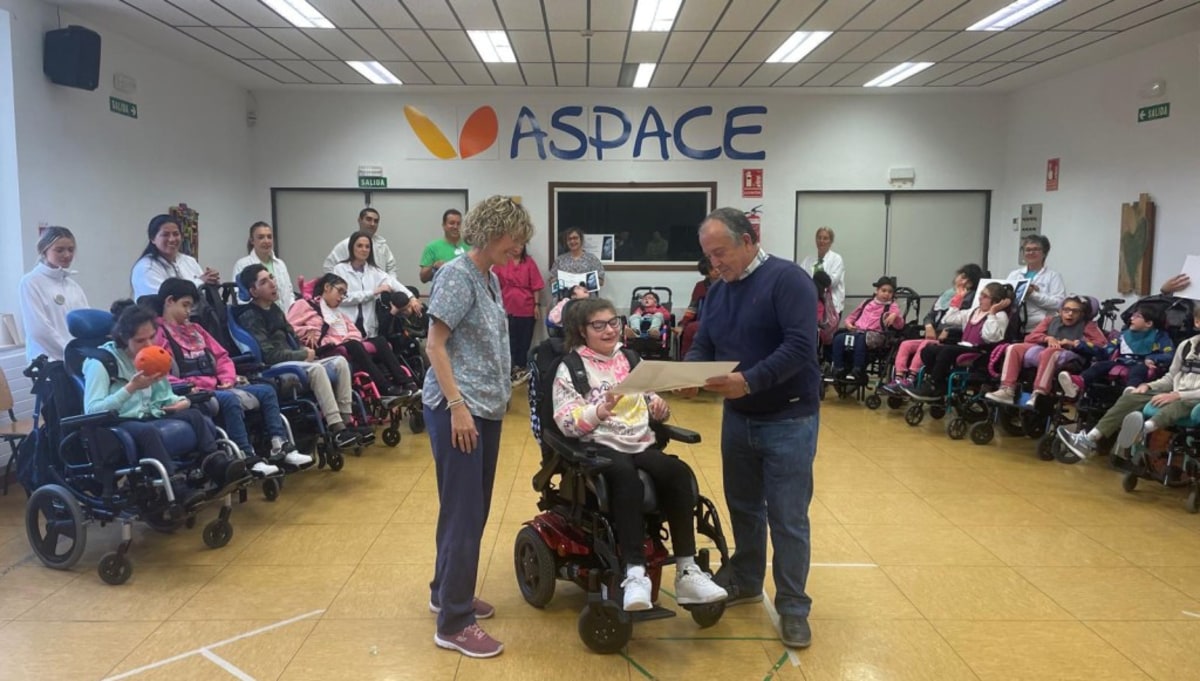
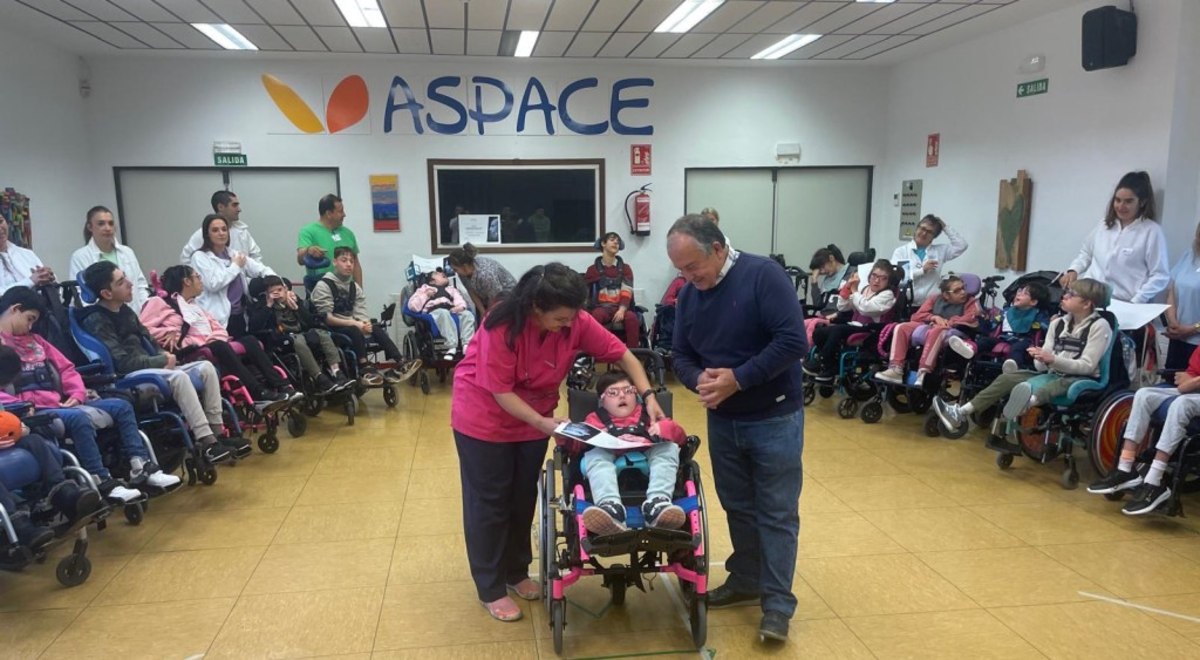
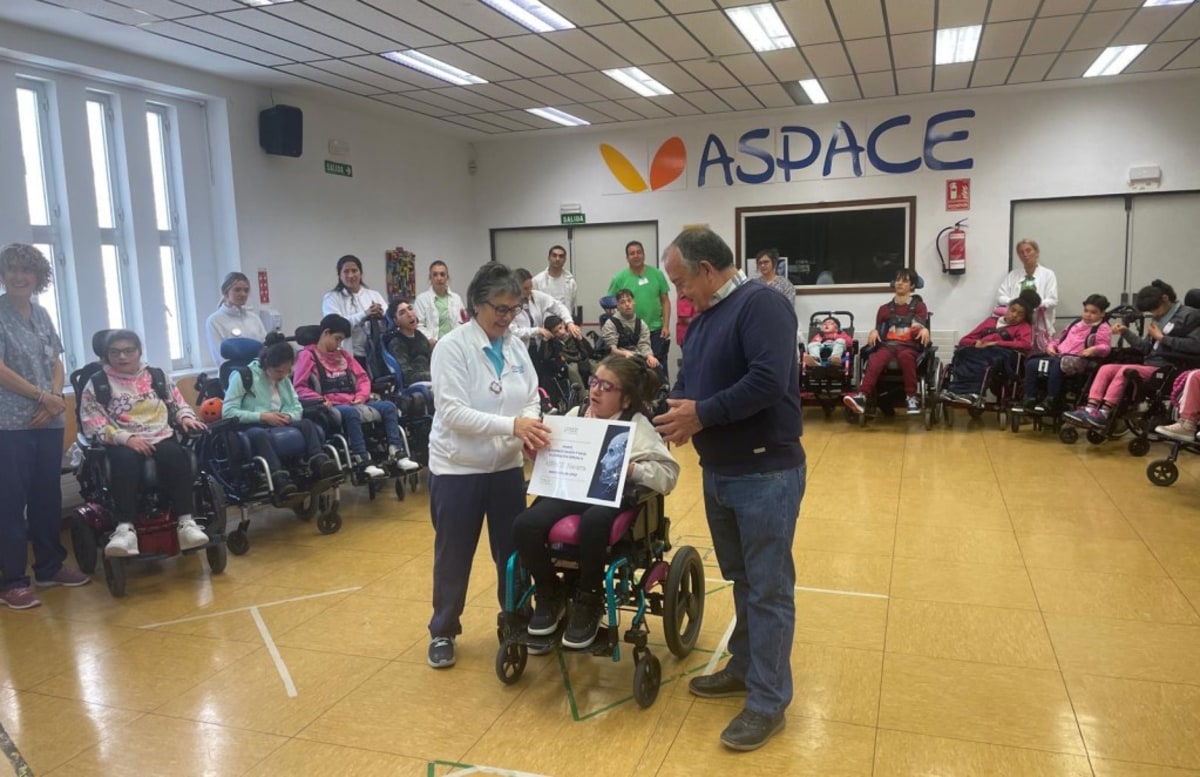
Black theatre: making the invisible visible
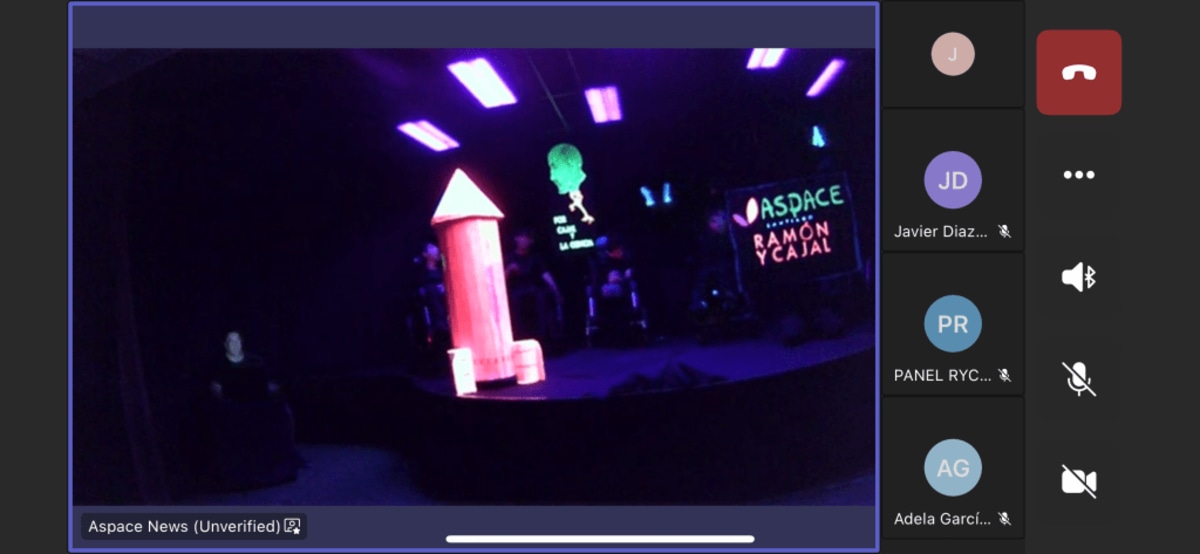
The choice of technique was a stroke of almost scientific depth. Black theatre works in darkness: actors dress in black, and only the objects and elements meant to be shown are illuminated under ultraviolet light. Bodies disappear. Only gestures, colours, movement and emotion remain.
For Ana Valencia, it is “a magical and creative way of telling stories through light, colour, movement and music.” But there is something more: in black theatre, what matters is not the visibility of the physical body, nor of technical aids such as wheelchairs. The playing field is levelled. What is seen is talent, pure and unmediated.
There is a parallel that cannot be overlooked. The technique Cajal used to make neurons visible is called Golgi’s “black reaction.” In the darkness of the laboratory, with a silver-salt stain, nerve cells suddenly appeared as constellations against a black background. With black theatre, ASPACE Navarra used the same metaphor: making Cajal shine by revealing the talent of those who interpret him.
Don Santiago and Neuri: twenty-one actors, one hour of magic
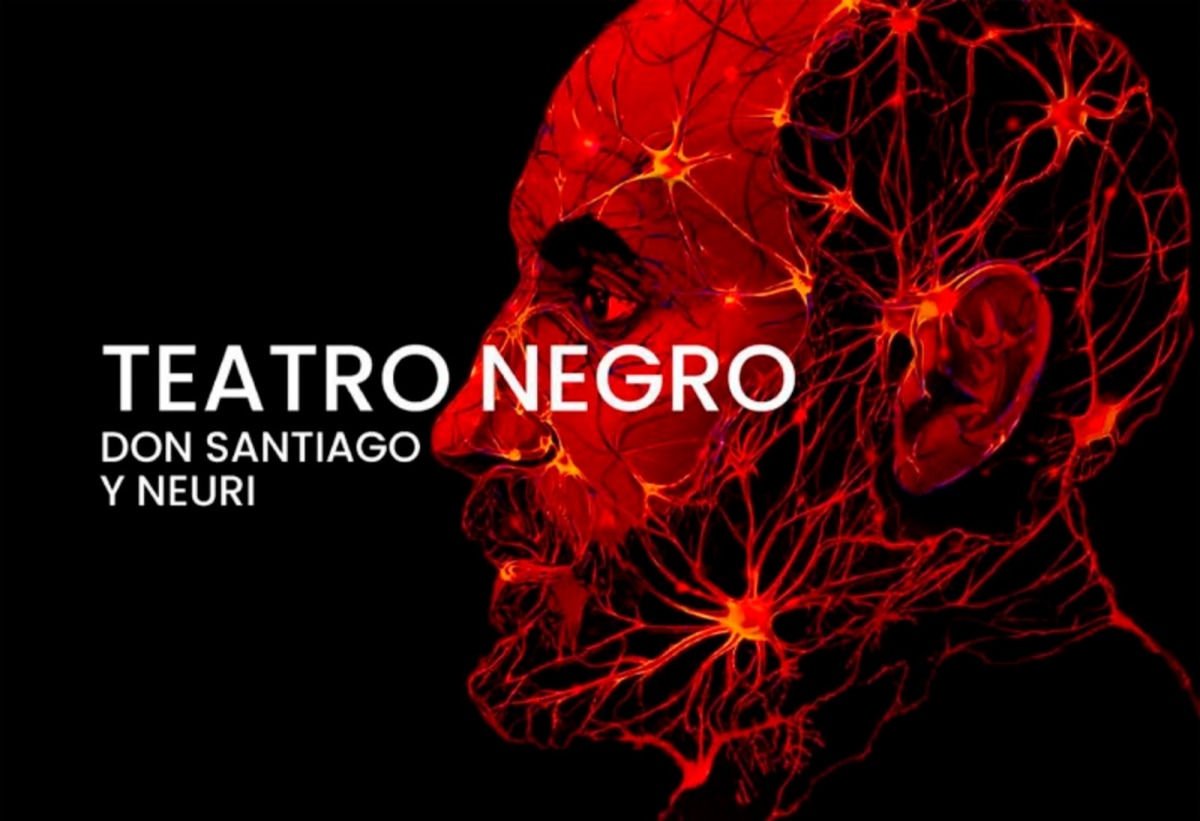
In the spring of 2025, the Ramón y Cajal Centre of ASPACE Navarra announced that its artists had created a black-theatre play about Cajal’s life. The title was perfect: “Don Santiago y Neuri.” Neuri is a neuron — imagined, personalised, alive — who guides the audience through the universe of the Nobel laureate. The play unfolds in four scenes spanning from Cajal’s childhood in Navarre to the 1906 Nobel Prize, and lasts one hour.
Twenty-one young people from the Virgen de Orreaga School embarked on months of rehearsals. Black theatre demands precision: movements must be exact for the magic of ultraviolet light to work. For students with cerebral palsy, that level of control represents a challenge comparable to the one Cajal himself faced when trying to isolate a nerve cell with the Golgi technique. Every coordinated gesture is, in the team’s words, a successful social synapse.
Among the actors, Dan and Carla became reference points in the process: young people who over the months moved from being pupils to being artists, and who discovered in that journey capacities that had previously been hidden behind a medical diagnosis.
June 2025: the premiere
In June 2025, “Don Santiago y Neuri” premiered at the Ramón y Cajal Centre of ASPACE Navarra. The reception was extraordinary. On 10 June, the assembly hall filled with the ASPACE community. That same week, two additional sold-out performances brought the play to more than 100 young people from various schools across the Foral Community. The families of the protagonists had their own special session — the most moving of all, according to those who lived it.
The success was such that ASPACE Navarra decided to stage the play again in autumn. And the play also toured schools in Navarre, bringing Cajal to new classrooms through the artists who had made his legacy entirely their own.
Gallery · Cajal Shines with ASPACE in Navarra · June 2025


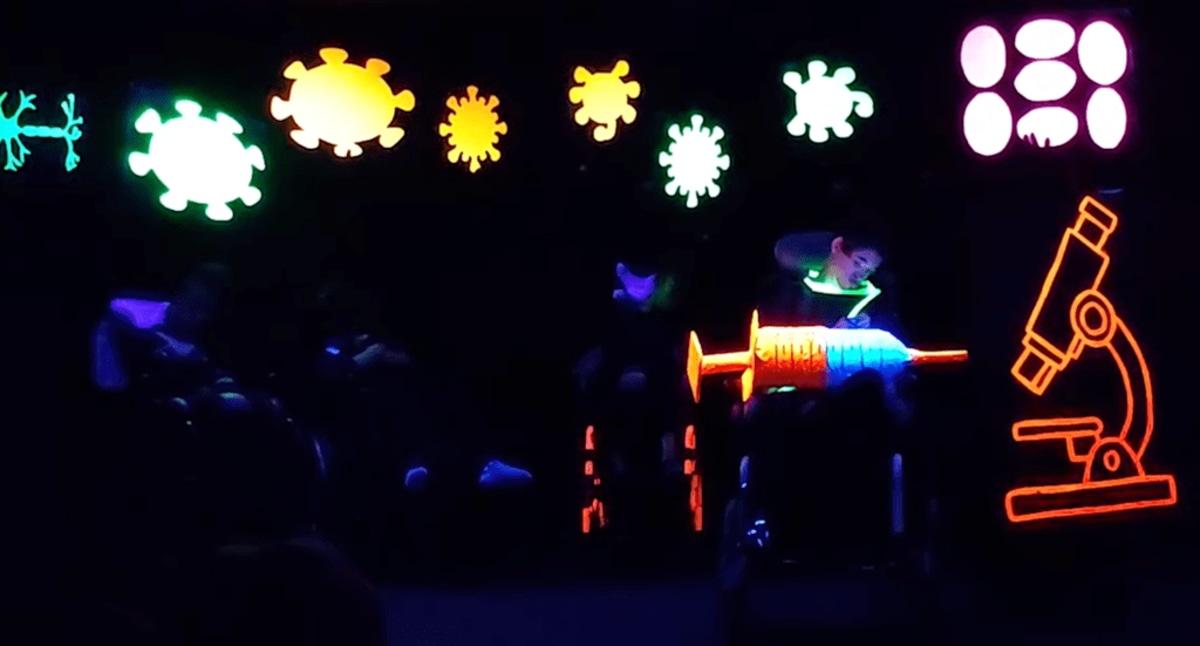
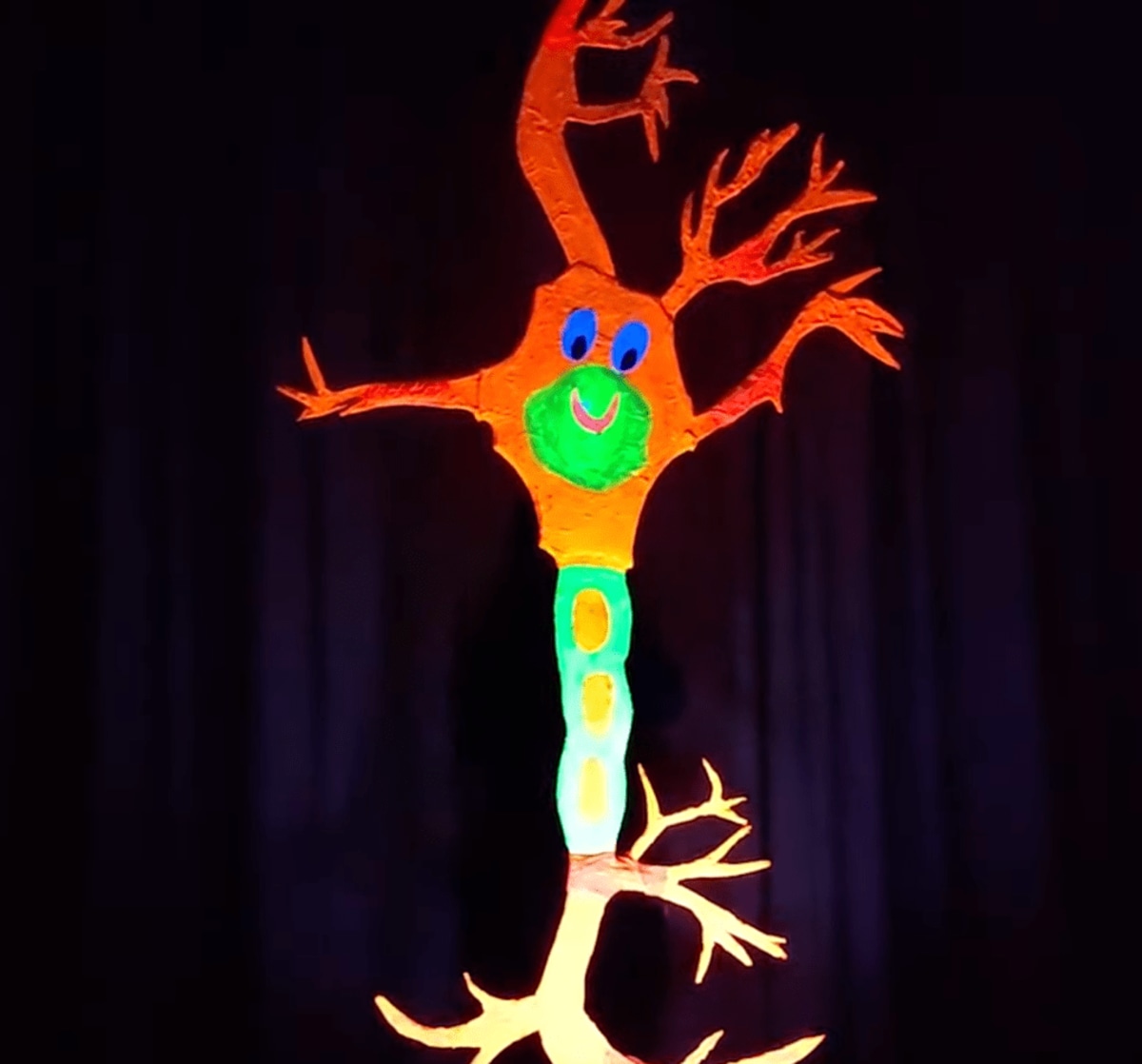
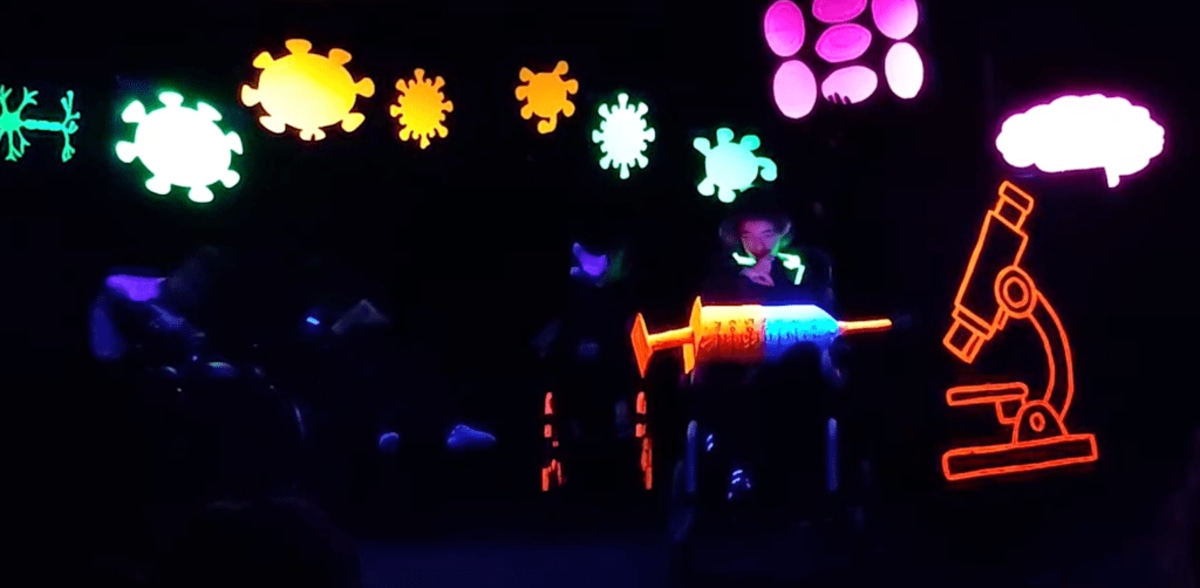
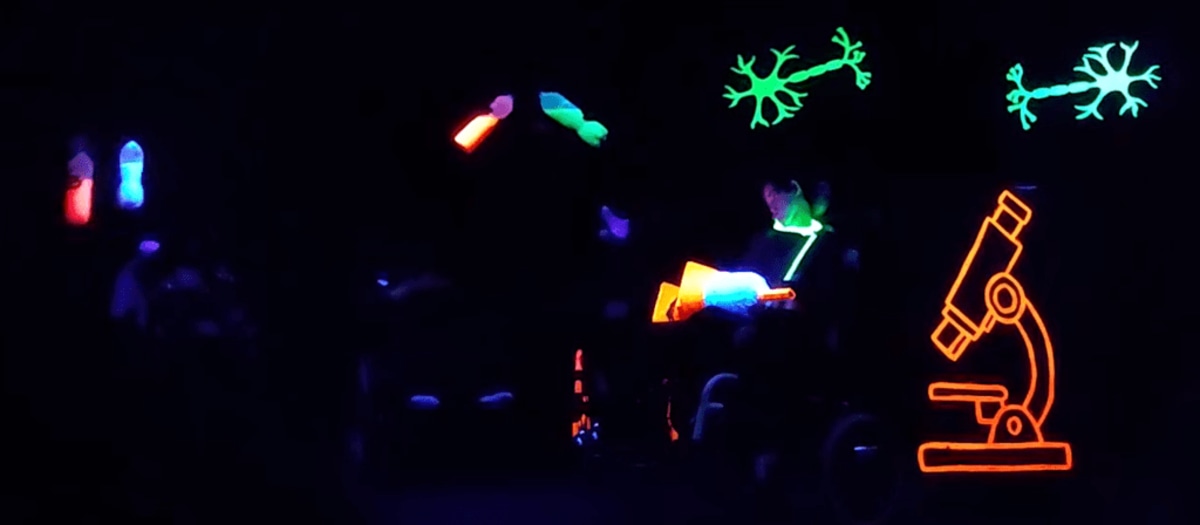
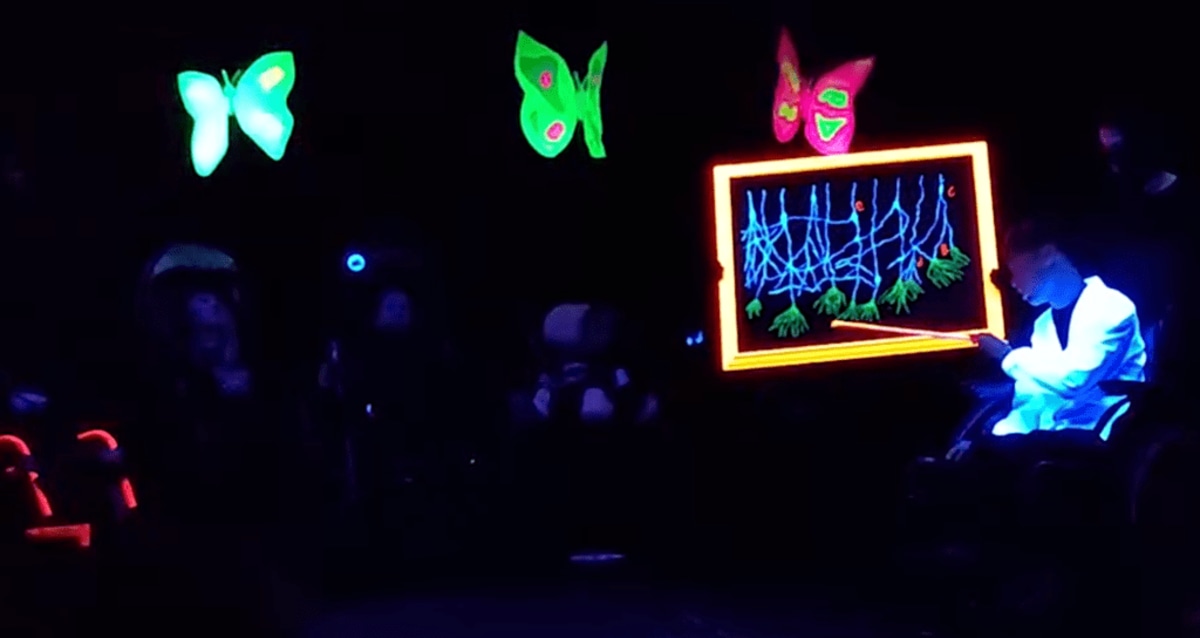
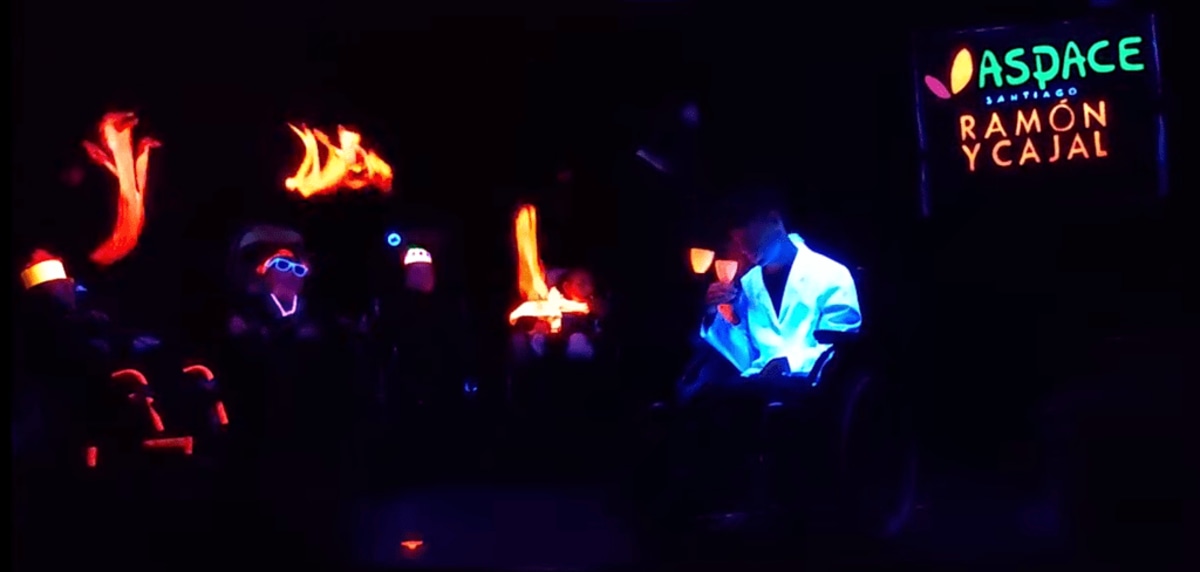
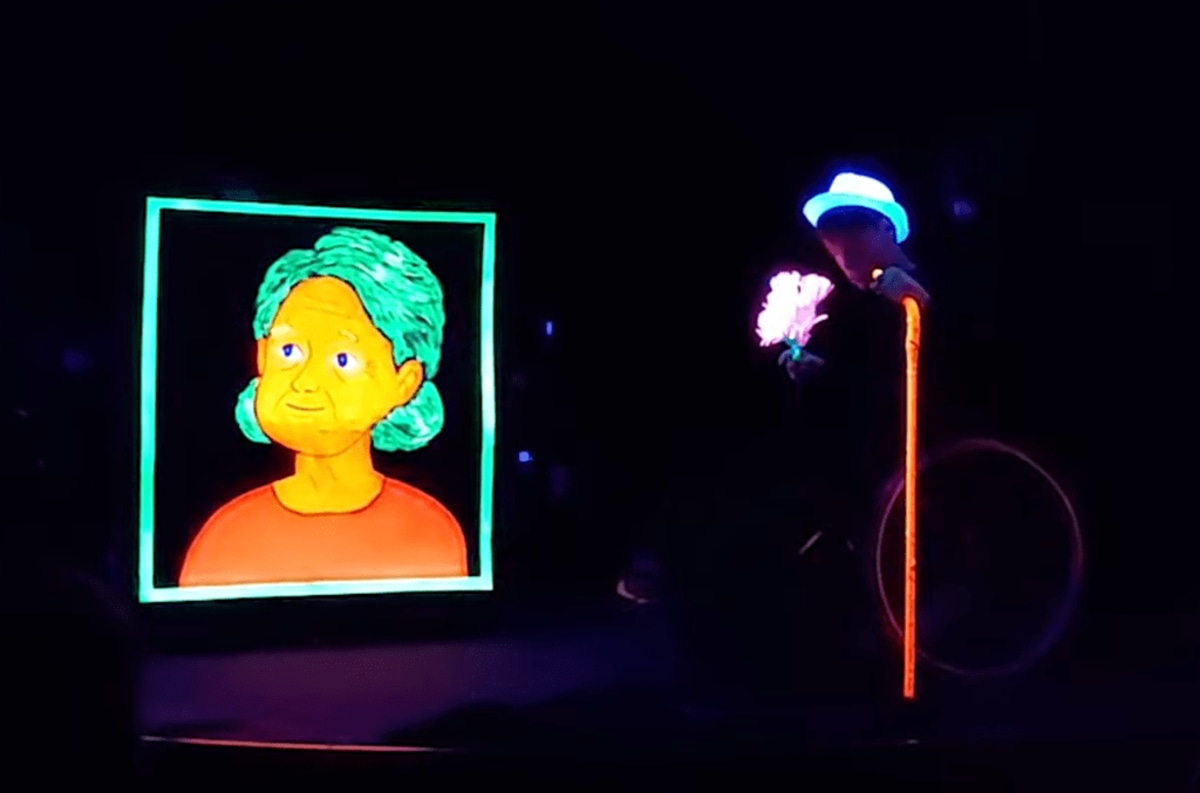
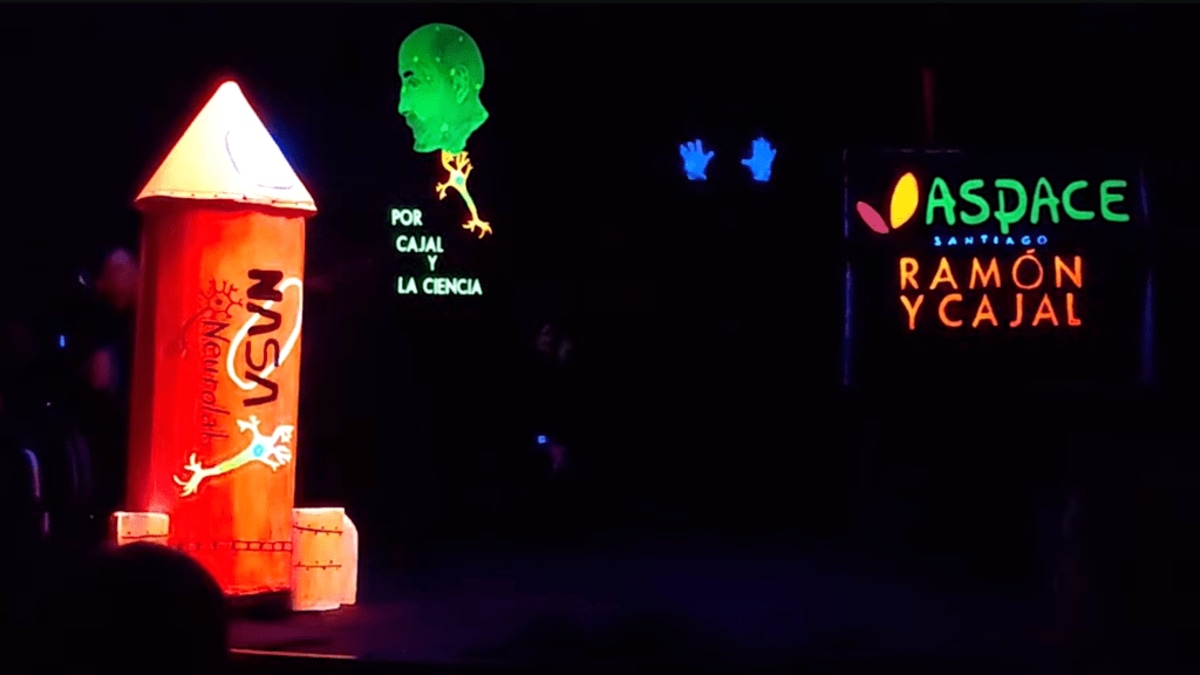
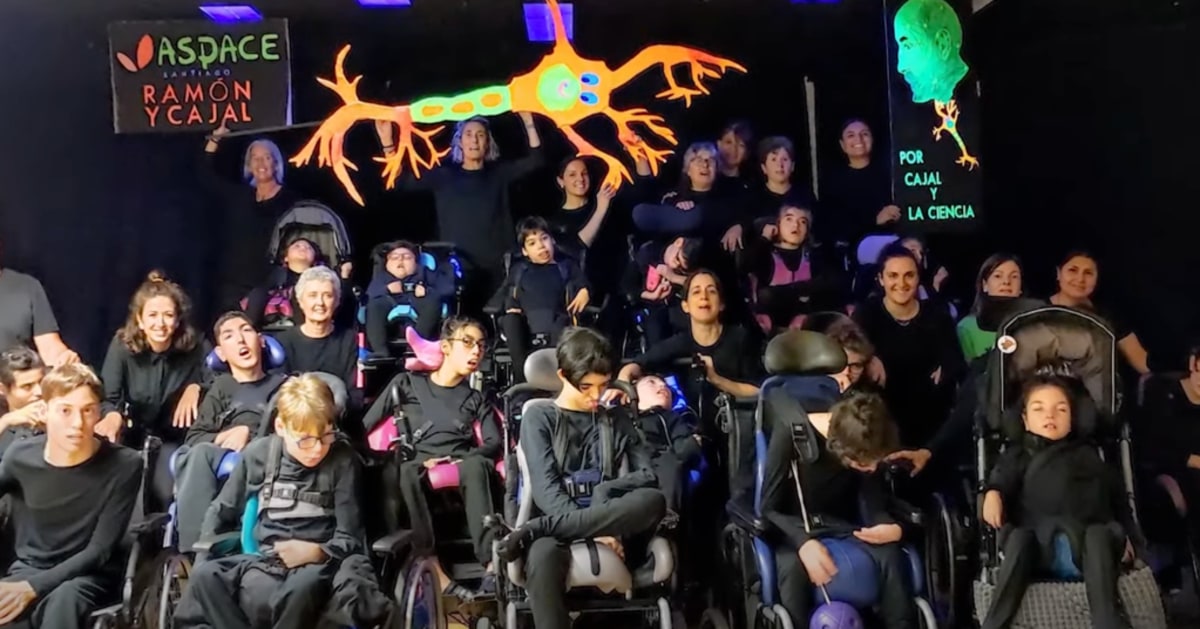
The project also has a concrete dimension: rehearsals worked on visual tracking, memory and executive function, body expression and rhythm. But above all they worked on something no clinical exercise can replicate: the audience’s applause recognising your talent.
February 2026: the play reaches the world
The story did not end with the premiere. On 26 February 2026 a final online call was opened to attend the season’s final performance: 27 February, 11 a.m., via Microsoft Teams. One hour of black theatre live from Navarre to the world.
The boundaries of the stage dissolved. Special education centres, mainstream schools and families across Spain were able to watch these artists bring the Nobel laureate to life.
What Cajal would have said
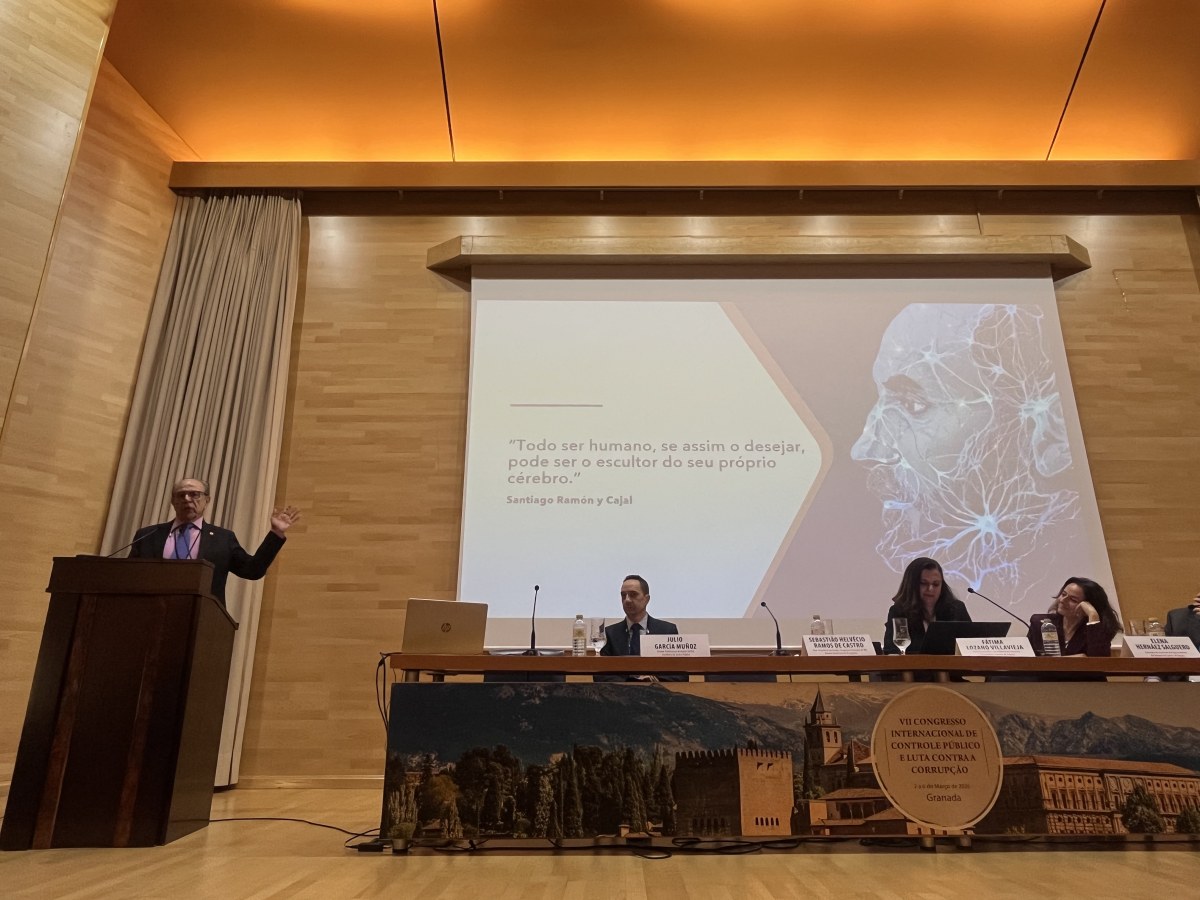
Santiago Ramón y Cajal believed that will was the most important muscle in the human being. He wrote that “every man can be, if he so wishes, the sculptor of his own brain.” It was not an empty metaphor: it was his own biography. A rebellious, troublesome child who became a Nobel laureate through hard work, curiosity and a refusal to accept the limits others imposed on him.
The twenty-one actors of the Virgen de Orreaga School have sculpted something beautiful with that legacy. They have shown that Cajal does not belong only to laboratories: he belongs to all those who refuse to believe that the limit lies where others see it. And that the darkness of a black-theatre stage can be, exactly as the darkness of a Navarrese laboratory at the end of the nineteenth century was, the place where light reveals something nobody expected to find.
The I Ramón y Cajal Award in Special Education was the beginning of something that is still growing. And that, too, is profoundly Cajalian.
Follow the full story:
- I Ramón y Cajal Award in Special Education: ASPACE · April 2024
- ASPACE Theatre with Cajal · May 2025
- Cajal Shines with ASPACE in Navarra · June 2025
- Last call: “Don Santiago y Neuri” online · February 2026