Dedicated to Cristina Nombela Otero
Article by Sarah Williams
For decades, clinicians have used electrical pulses to regulate abnormal brain activity in people with Parkinson’s disease. For some of the millions affected worldwide, this technology—known as deep brain stimulation—has helped mitigate their tremors, rigidity, and slowness of movement. However, for others, deep brain stimulation carries too many side effects or proves ineffective.
A new, smarter version of this technology could help more patients. Just like a cardiac pacemaker that responds to the heart’s rhythms, adaptive deep brain stimulation (aDBS) uses a person’s individual brain signals to control the electrical pulses it delivers. This makes it more personalised, precise, and efficient than previous DBS methods.
DBS and aDBS technologies employ electrodes connected to thin wires implanted in areas of the brain affected by Parkinson’s. These wires connect to a small battery-powered device implanted under the skin of the chest, similar to the placement of a cardiac pacemaker. The battery delivers trains of electrical pulses through the wires and electrodes to the specifically altered brain areas.
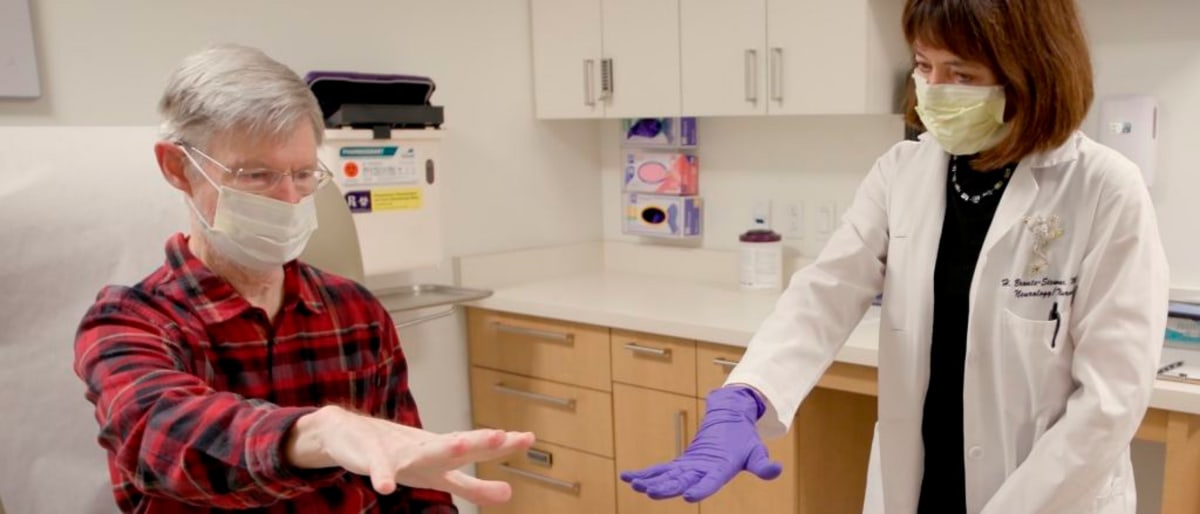
Over the past decade, Dr Helen Bronte-Stewart, Professor of Neurology and Neurological Sciences, has led research into how brain activity becomes dysregulated in Parkinson’s, how to detect irregular electrical brain waves, and how to correct them. She recently directed the international, multicentre pivotal clinical trial of a new approach to delivering aDBS. Now, that technology has been approved by the FDA for use in patients with Parkinson’s.
We asked Bronte-Stewart about how this technology was developed and why it could be a game changer for people with Parkinson’s.
What is deep brain stimulation?
It is like a pacemaker for the brain. In the same way that a pacemaker in the heart provides electrical stimulation to maintain the heartbeat, deep brain stimulation provides electrical stimulation to control the brain’s electrical rhythms.
The first cardiac pacemakers could not detect the heartbeat; they delivered a constant rhythm. At the time, that was a great advance, but they could also make the heart beat too fast. The great leap occurred when they became adaptive. That is the inflection point we have just reached with deep brain stimulation. Until recently, these devices administered a universal sequence of pulses 24 hours a day. They were a fairly blunt instrument. Now, we have adaptive technology that “listens” to brain activity and adjusts stimulation accordingly. It corrects brain rhythms only when necessary.
Why is adaptive deep brain stimulation beneficial in Parkinson’s?
In Parkinson’s, the circuits that coordinate movement fail, causing tremors and rigidity. One of the causes is an anomaly in a type of electrical activity called beta waves. Deep brain stimulation sends a signal that corrects these abnormal beta waves.
Traditional DBS suppressed beta waves in the same way all the time. But in Parkinson’s, the levels of these waves vary according to treatment, disease progression, or the patient’s activity. The adaptive technology adjusts stimulation based on these patterns, mimicking natural brain rhythms more closely and keeping beta rhythms within a stable range rather than constantly switching them off.
How has your laboratory’s work paved the way?
My laboratory has spent years developing ways to precisely measure movement. By recording neuronal activity from implanted neurostimulators, we were able to determine which abnormal brain signals are most relevant to movement deterioration. We discovered that there is neuronal activity that can be called “brain arrhythmia” and described the change in beta waves. We have been conducting experiments on aDBS since 2015. Now we can directly track beta waves in the brain and use them to control stimulation.
Where is adaptive deep brain stimulation headed?
The FDA approval is exciting because it means that any person with Parkinson’s who has a compatible DBS device in the US could use aDBS. We hope that patients and neurologists will investigate whether this technology can help them.
Thanks to Stanford Medicine.
Synthesis and commentary: the Spanish school and the horizon of the will
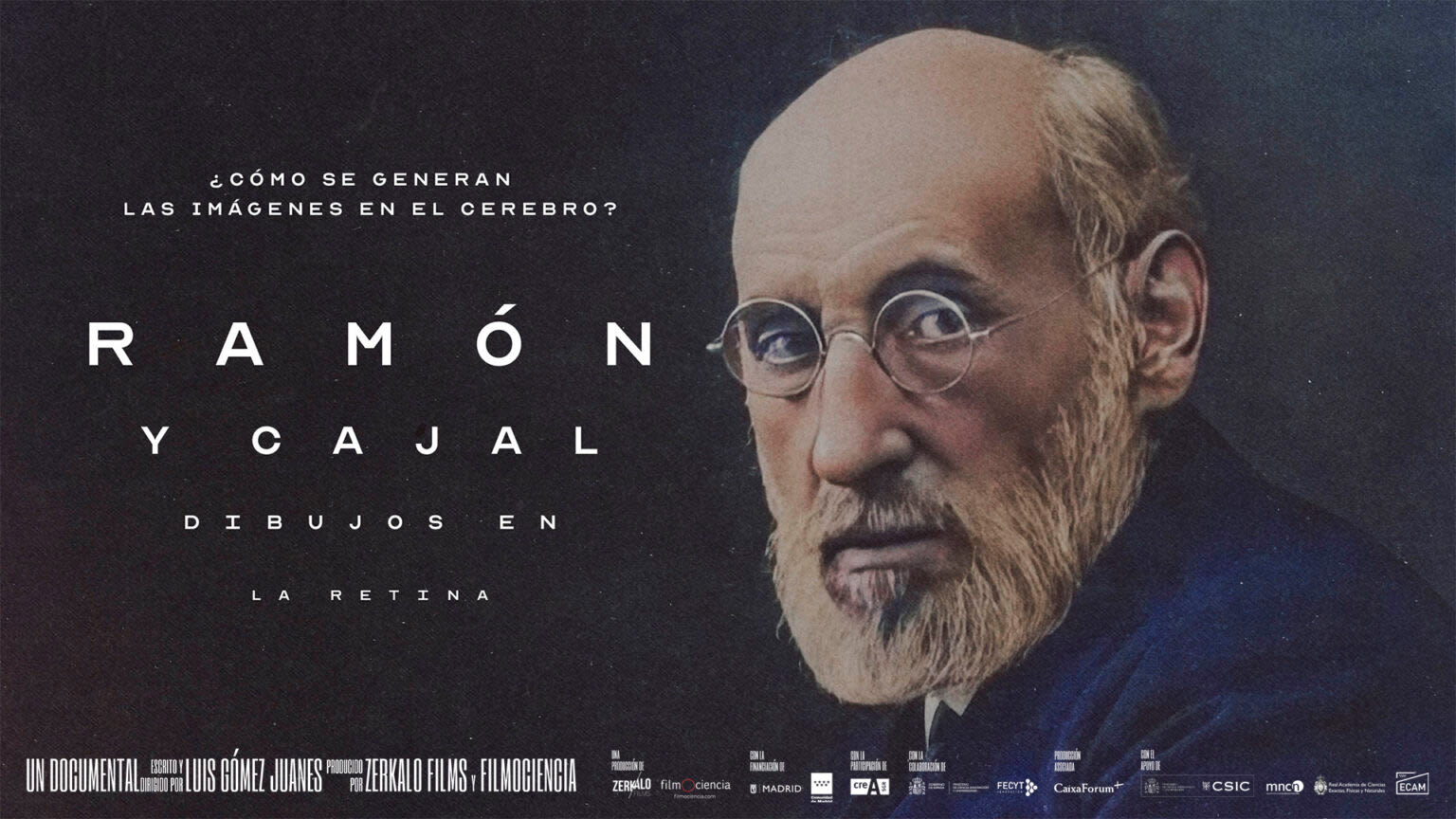
Dr Bronte-Stewart’s research is the technical crystallisation of a quest that Santiago Ramón y Cajal initiated more than a century ago. When observing what he called the “mysterious butterflies of the soul” (“misteriosas mariposas del alma”), the sage intuited that the secret of the mind resided in the wing-beats of neurons and their complex interconnectivity. Cajal affirmed that “every man can be, if he sets his mind to it, the sculptor of his own brain” (“todo hombre puede ser, si se lo propone, escultor de su propio cerebro”), a maxim that today finds its echo in the work of the Spanish neuroscientific vanguard.
In Spain, this heritage is kept alive by contemporary masters. Dr José A. Obeso, Director of CINAC (HM Puerta del Sur), stands as a world authority whose H-index is the highest in Spanish neurology, leading research on neuronal vulnerability and the role of the subthalamic nucleus. His conviction that “we are closer than ever to changing the history of Parkinson’s” resonates with the precision offered by adaptive technology.
The understanding of the cerebral architecture that Cajal drew is today expanded by Dr Javier de Felipe, Director of the Cajal Laboratory of Cortical Circuits (CTB-UPM), who uses connectomics and artificial intelligence to reveal the structure of the cortex, building a bridge between the artistic beauty of the original drawings and the neurotechnology of the twenty-first century. This historical continuity takes on a human face in Dr Fernando de Castro Soubriet, scientist at the Instituto Cajal-CSIC, who through his leadership in developmental neurobiology keeps the flame of the Madrid School alight, reminding us that Spain remains a country of science despite its difficulties.
This network of excellence is completed by the clinical and surgical work of figures such as Dr Juan Antonio Barcia Albacar and Dr Cristina Nombela Otero at the Hospital Clínico San Carlos, pioneers in integrating functional neurosurgery with cognitive analysis. Alongside them are Bryan Strange (UPM), an expert in the physiology of memory, and the team at the National Hospital for Paraplegics (HNP) with Guglielmo Foffani and Antonio Oliviero, as well as the Hospital Universitario de la Princesa, where Jesús Pastor and Lorena Vega-Zelaya perfect intraoperative neurophysiological recording.
The incorporation of the aDBS system into the public health system, led by the Hospital Universitario Gregorio Marañón, marks a milestone in the accessibility of this “prosthesis of the will.” As the master so aptly said: “If there is anything truly divine in us, it is the will. Through it we affirm our personality, temper our character, defy adversity, correct the brain, and surpass ourselves daily” (“Si hay algo en nosotros verdaderamente divino, es la voluntad. Por ella afirmamos la personalidad, templamos el carácter, desafiamos la adversidad, corregimos el cerebro y nos superamos diariamente”). Adaptive stimulation is, today, the definitive tool for that will to once again sculpt movement and hope.