Introduction to Spain’s new scientific ecosystem: sculptors of the future
It has been said many times that Spain’s problem is a problem of culture. It is urgent indeed, if we wish to join the civilised peoples, to intensively cultivate the wastelands of our land and of our brain, saving for the prosperity and exaltation of the homeland all the rivers that are lost in the sea and all the talents that are lost in ignorance. (“Se ha dicho hartas veces que el problema de España es un problema de cultura…”)
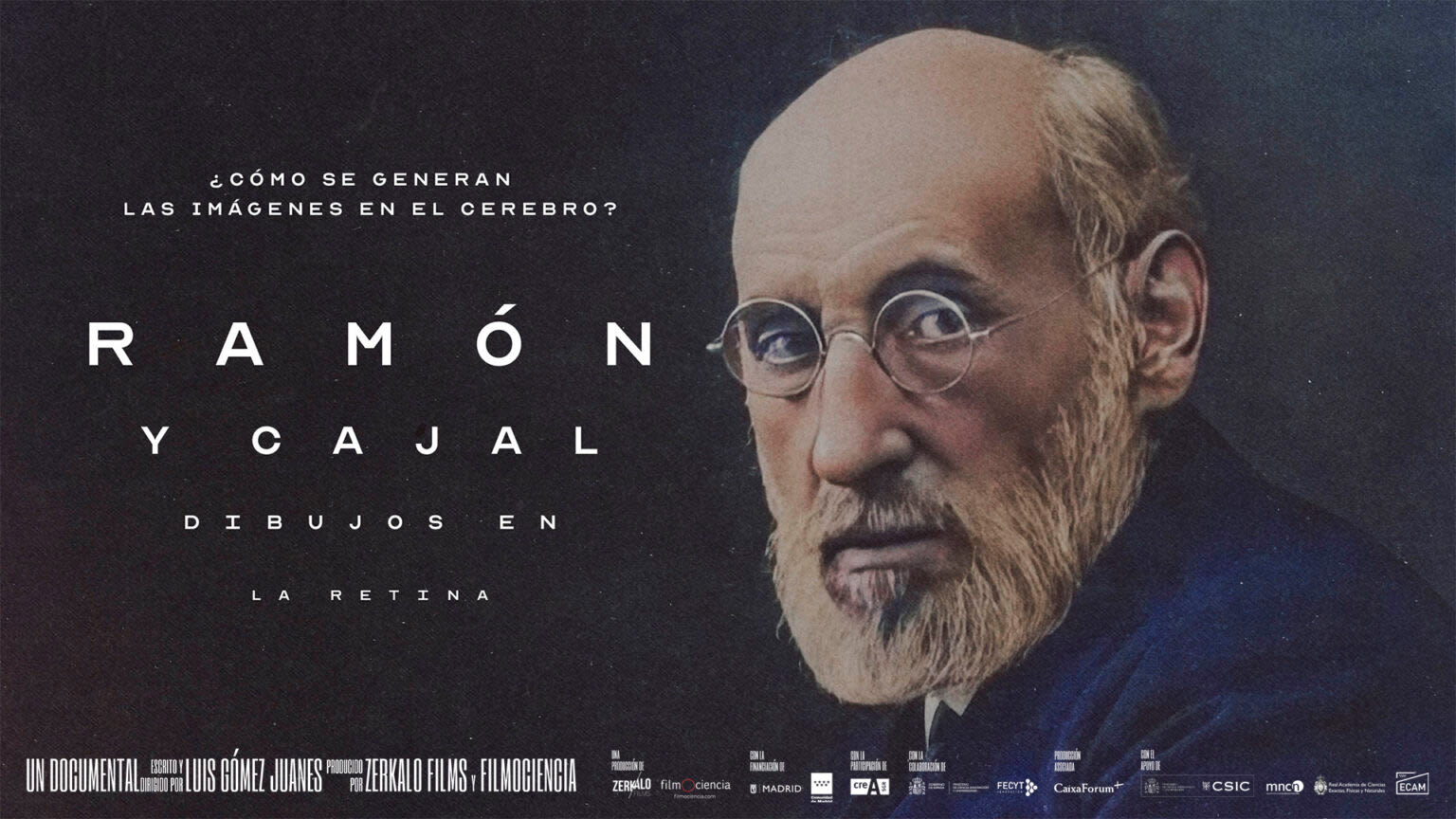
Santiago Ramón y Cajal
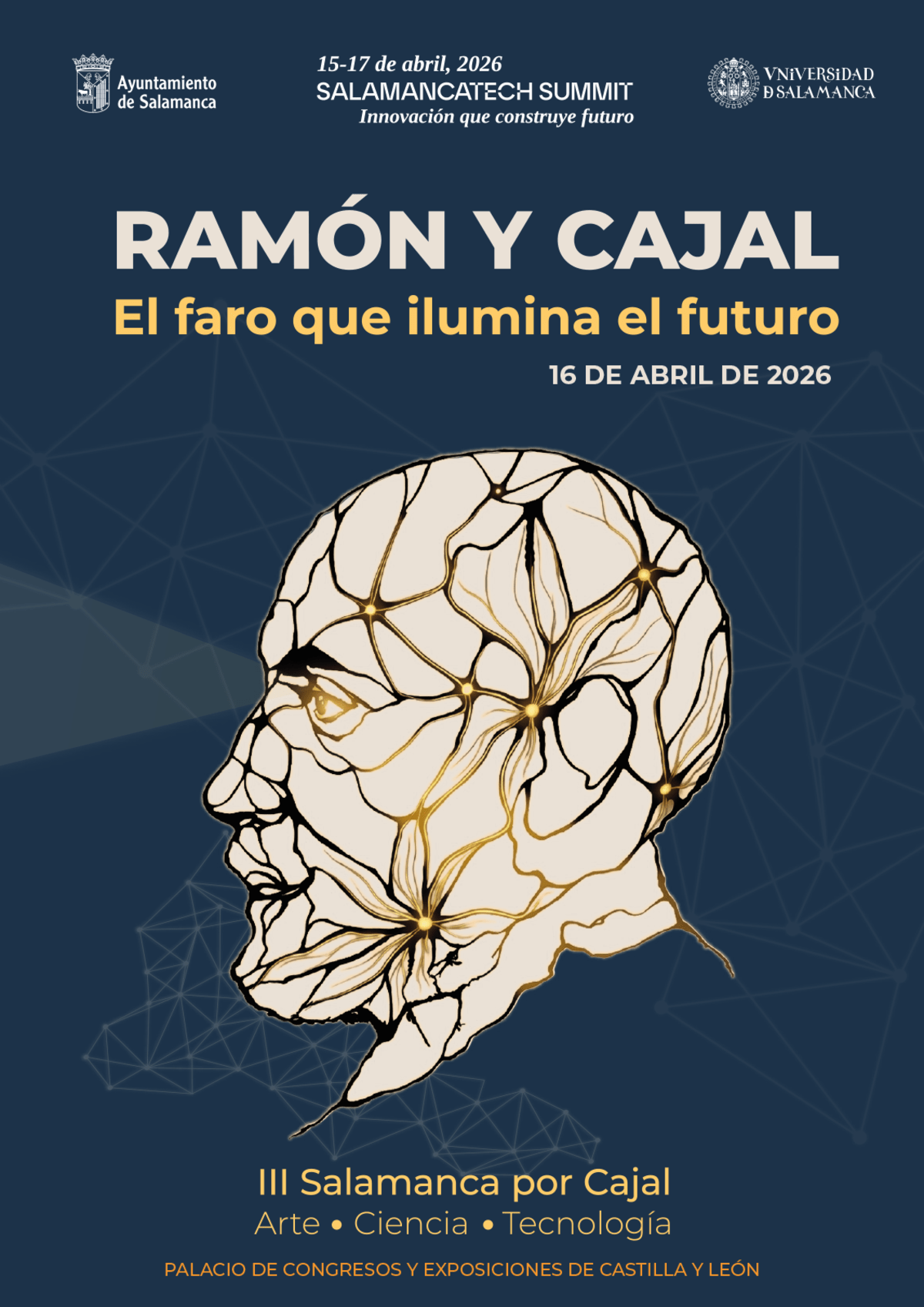
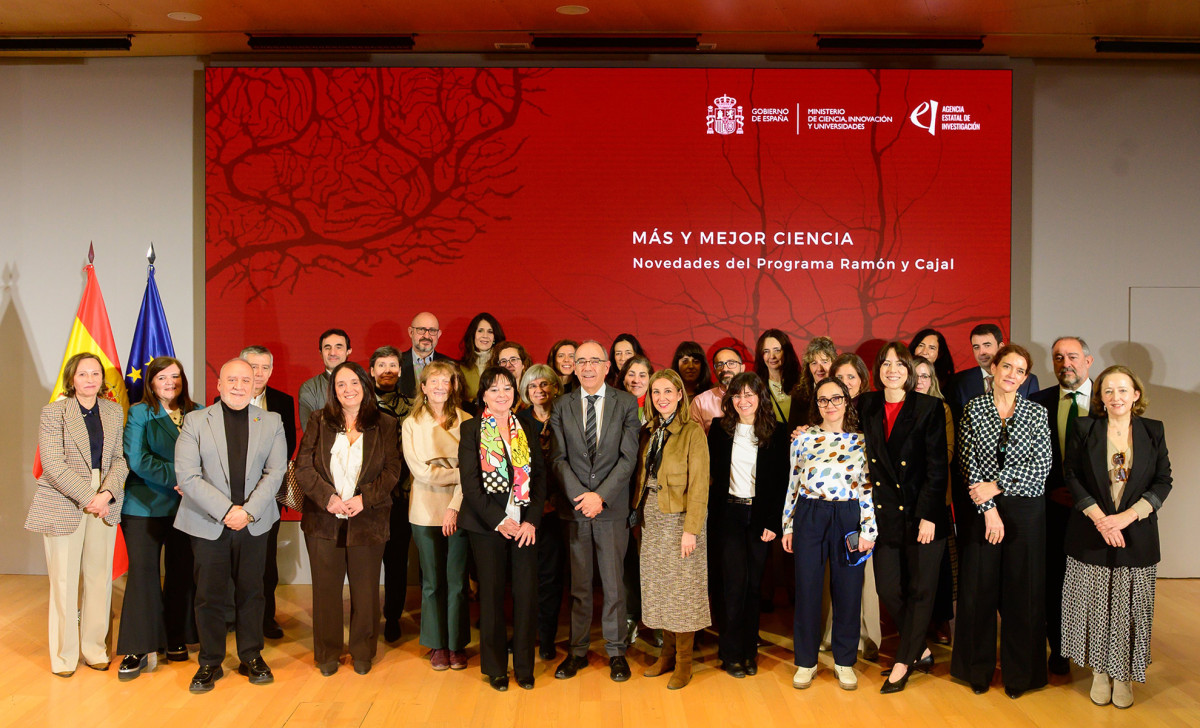
With this timeless warning from Don Santiago Ramón y Cajal, the current ecosystem of scientific research in Spain is illuminated. Faithful to the conviction that “every man can be, if he sets his mind to it, the sculptor of his own brain” (“todo hombre puede ser, si se lo propone, escultor de su propio cerebro”), the country finds itself crossing a historic inflection point. It is an inescapable transition from a model traditionally focused on stemming the brain drain toward a paradigm of active consolidation of international leadership. In this intricate scenario, the profound restructuring of the Ramón y Cajal programme, formally presented in February 2026 by the Minister of Science, Innovation, and Universities, Diana Morant, represents one of the most ambitious and structurally far-reaching scientific policy interventions of the past two decades.
As the master bequeathed us, “Ideas do not last long. One must do something with them” (“Las ideas no duran mucho. Hay que hacer algo con ellas”). The Ramón y Cajal programme is no minor instrument; after 25 years of uninterrupted operation, it has consolidated itself as the backbone of talent recruitment in the country. With nearly 8,000 researchers having passed through its ranks over this quarter-century, the programme has been responsible for nurturing and shaping Spain’s current scientific elite. However, despite its undeniable prestige, the programme’s operational design carried severe systemic frictions.
The announced reforms constitute a paradigmatic and holistic redefinition of the national research career. The assimilation of the Research Consolidation call within the Ramón y Cajal umbrella, the historic budget injection raising the endowment to 240 million euros, the implementation of qualitative scientific interviews for candidate evaluation, and the creation of an aggressive scheme of direct incentives for applications to the European Research Council (ERC), configure a framework that definitively alters the dynamics of risk, reward, execution, and stabilisation in Spanish academia.
In the words of Cajal himself: “In the social machine, one must be a motor, not a wheel; a personality, not a person” (“En la máquina social hay que ser motor, no rueda, personalidad, no persona”).
Historical context and structural diagnosis of the R&D&I system
The “valley of death” in scientific funding
During the first two decades of the Ramón y Cajal programme, a researcher who managed to pass the hyper-competitive selection faced what in scientific policy jargon is called the operational and financial “valley of death.” The researcher acquired a five-year employment contract and substantial academic prestige, but lacked direct and automatic funds to begin experiments or build a team.
Endogamy and hierarchical dependence
Another structural factor that the new programme attempts to deactivate is the persistent endogamy of Spanish university institutions. Instead of opening disruptive new research lines, many recruited researchers ended up acting as managers or intellectual extensions of their mentors.
Financial architecture of the 2026 call
The record budget and its integral macroeconomic impact
The initial allocation for the 2026 call amounts to the record figure of 240 million euros. This represents a direct increase of 53.85% compared to the combined funds allocated in 2025 to the separate Ramón y Cajal and Research Consolidation calls.
| Financial/operational metric | 2025 and earlier calls | New 2026 call |
|---|---|---|
| Call base budget | Salary separate from project | Salary + integral 5-year project |
| Relative growth (combined total) | N/A | +53.85% vs RyC + Consolidation |
| Overall AEI budget | €725M (2018 baseline) | >€1,308M (2025 close) |
The definitive merger with Research Consolidation
Under this new architecture, the funding model guarantees that selected researchers will have substantial funding associated with their own scientific project throughout the entire five-year duration. This measure is revolutionary within Spanish bureaucratic orthodoxy because it allows researchers to immediately hire technical staff, predoctoral students, junior postdocs, and acquire critical scientific equipment from the very first day.
Re-engineering the evaluation methodology
The scientific interview as a filter for independence
For the first time in the programme’s history, the evaluation process will formally incorporate standardised scientific interviews. This qualitative phase will involve the oral evaluation of between 600 and 900 candidates. The fundamental objective is to transition toward a more efficient, precise, and fairer evaluation. The interview forces the candidate to confront an expert panel and defend the intrinsic originality of their ideas.
| Evaluation methodology | Historical paradigm | 2026 paradigm |
|---|---|---|
| Primary criterion | Quantitative bibliometrics | Leadership potential and real transformative capacity |
| Filter mechanism | Documentary peer review panels | Documentary evaluation + scientific interview |
| Principal vulnerability | Over-quantification and group inertia | Massive tribunal logistics and qualitative bias management |
European alignment and competitiveness
Direct economic incentives for continental excellence
The 2026 call institutionalises an aggressive, unprecedented system of salary incentives directly linked to performance in the demanding ERC evaluations. Projected salary improvements for cases of absolute success range between 10% and 30% above the contract base.
The innovation of incentivising effort: co-funding at second phase
If a Ramón y Cajal beneficiary submits a project to the ERC and manages to pass the severe initial cuts to reach the second evaluation phase (interview phase in Brussels), the researcher will obtain direct rewards—even if the project ultimately does not receive EU funding.
Institutional synergies and the return of the diaspora
The Network of Associations of Spanish Researchers and Scientists Abroad (RAICEX), now encompassing 22 associations across 40 countries representing more than 4,500 scientists, has been crucial in evidencing that the mere offer of repatriation for sentimental reasons is insufficient.
Infrastructures and the historical legacy
A milestone illustrative of this concurrent strategy is the inauguration in 2026 of the cutting-edge Cajal Neuroscience Centre (CNC). This colossal infrastructure project has mobilised resources worth 70 million euros.
The critical link: the stabilisation commitment and university rigidities
The stabilisation commitment has historically constituted the weakest, most tense, and most problematic link in Spain’s scientific value chain. The new 2026 framework aims to solidify this bridge with improved co-funding and R3 quality certificates.
The hidden face of excellence: precariousness, criticism, and labour conflict
Despite ministerial ambition, the reform dialectically coexists with a structural reality of deep precariousness. The Federation of Young Researchers (FJI/Precarios) has articulated severe criticisms. There are documented cases where university departments that take pride in recruiting a “Cajalito” fail to provide them, upon incorporation, with an office or a personal computer.
Long-term projections and conclusions: honouring the master by sculpting knowledge
The in-depth re-engineering of the Ramón y Cajal programme for the 2026 call represents, indisputably, the most audacious and qualitatively ambitious scientific policy intervention materialised in this legislative term. Through the deployment of 240 million euros and the merger with Research Consolidation, the State undertakes a systemic attempt to suture the fateful “valley of death.”
The evaluative shift toward personal interviews delivers a mortal blow to the harmful dictatorship of mere bibliometric weight and rewards disruptive leadership. In parallel, the disruptive legal creation of aggressive salary incentives linked to the ERC acts as a mechanism designed to eradicate conformism.
Ultimately, for this historic mobilisation of capital and effort to transmute into a tangible consolidation of national scientific leadership, the State Research Agency and the Ministry must transform themselves into implacable guarantors of the ecosystem. The Ramón y Cajal programme of 2026 must not be seen merely as an administrative budget allocation, but as a solemn pact between the State and talent; a structure that guarantees that, in effect, every Spanish researcher has the physical and moral means to devote themselves with absolute dedication to their great idea and freely sculpt the future frontiers of universal science.