I. The prologue of a dream: from dogma to cerebral sculpture
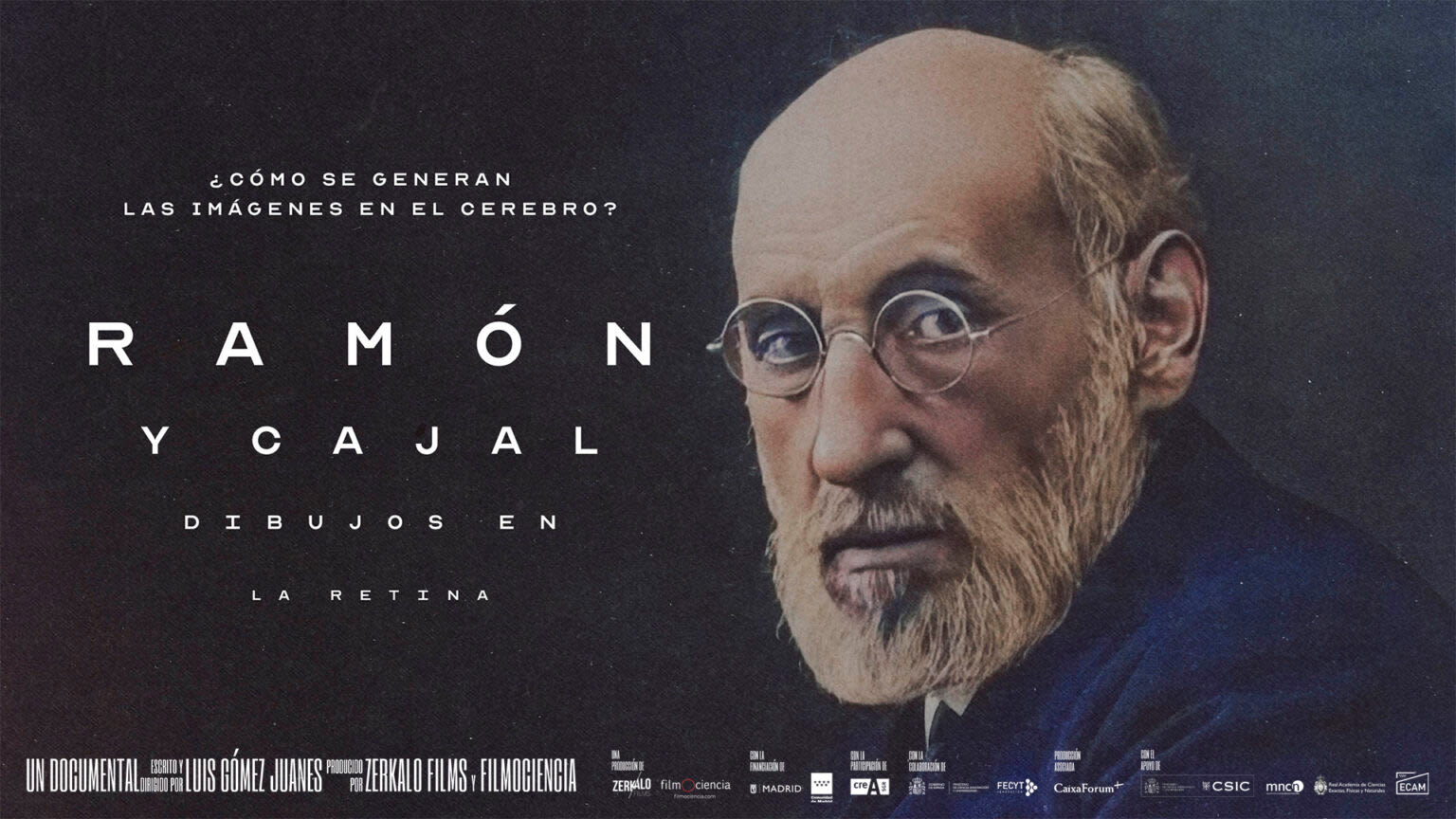
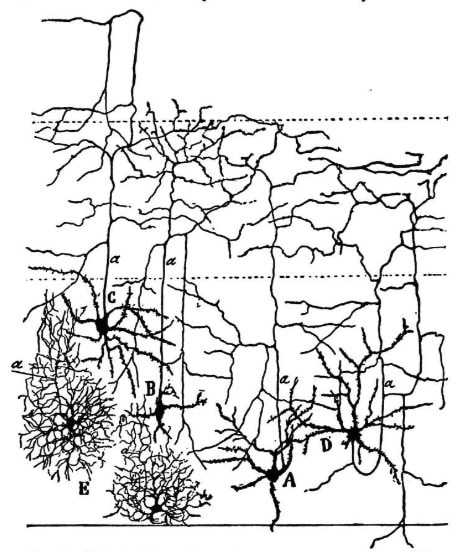
In 1899, Santiago Ramón y Cajal, exploring the depths of the visual cortex with an artist’s gaze and a sage’s rigour, described the impenetrable forest of neurons as an “unexpected spectacle” of black filaments and stellate bodies against a translucent background. In his fundamental work, Textura del sistema nervioso del hombre y de los vertebrados (Texture of the Nervous System of Man and the Vertebrates), he illustrated through Figures 13 and 14 the complexity of the visual cortex, a territory we know today as Brodmann’s area 17.
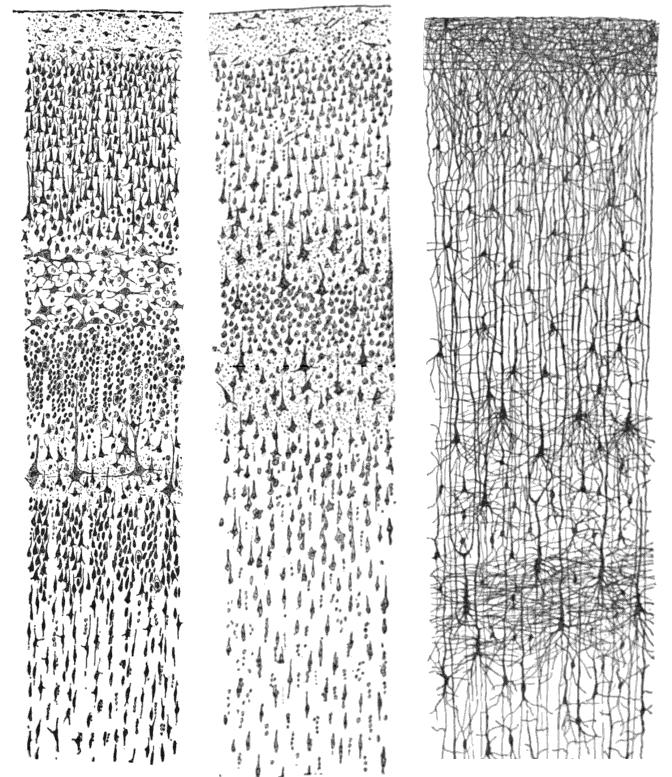
However, Don Santiago declared with melancholy that in adult brains “the nerve pathways are something fixed and immutable” and that “everything may die, nothing can regenerate.” But the sage left a door ajar, a challenge to posterity: “It falls to modern science, if possible, to change this royal decree” (“Corresponde a las ciencias modernas, si es posible, cambiar este real decreto”). Today, 3 February 2026, that sentence has finally been repealed in the laboratories of the Universidad Miguel Hernández (UMH).
II. The 2026 milestone: chronicle of an unexpected awakening
The case, published today in the journal Brain Communications, documents the story of a male patient who had lived in absolute darkness for more than three years due to bilateral Non-Arteritic Anterior Ischaemic Optic Neuropathy (NAION). His initial status was “no light perception” (NLP), a condition where blindness is considered definitive.
The moment of epiphany
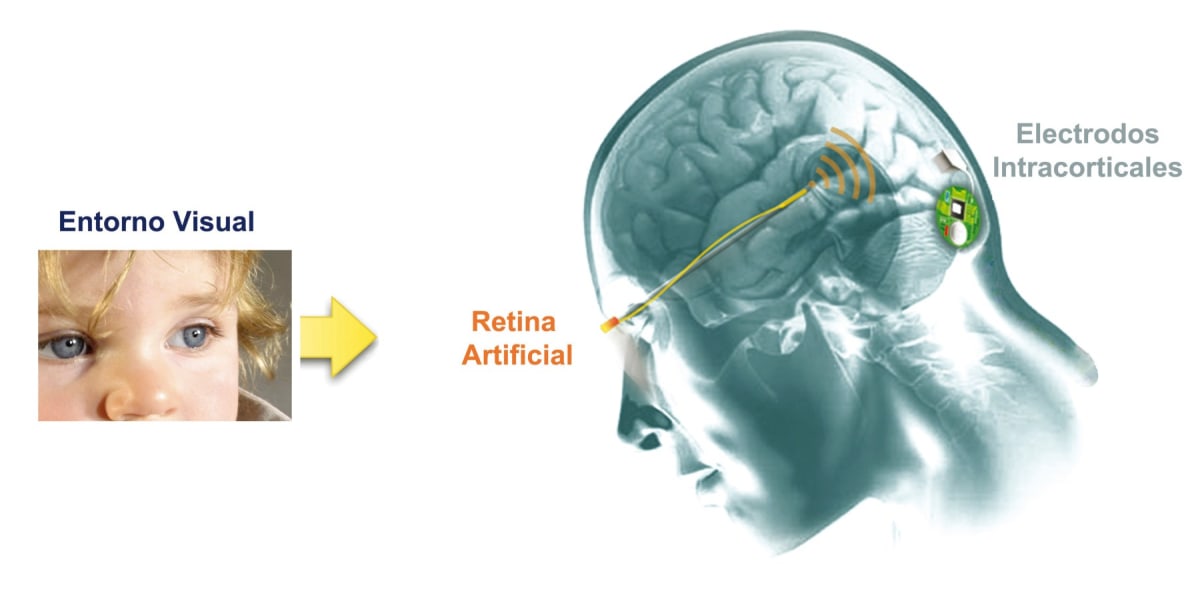
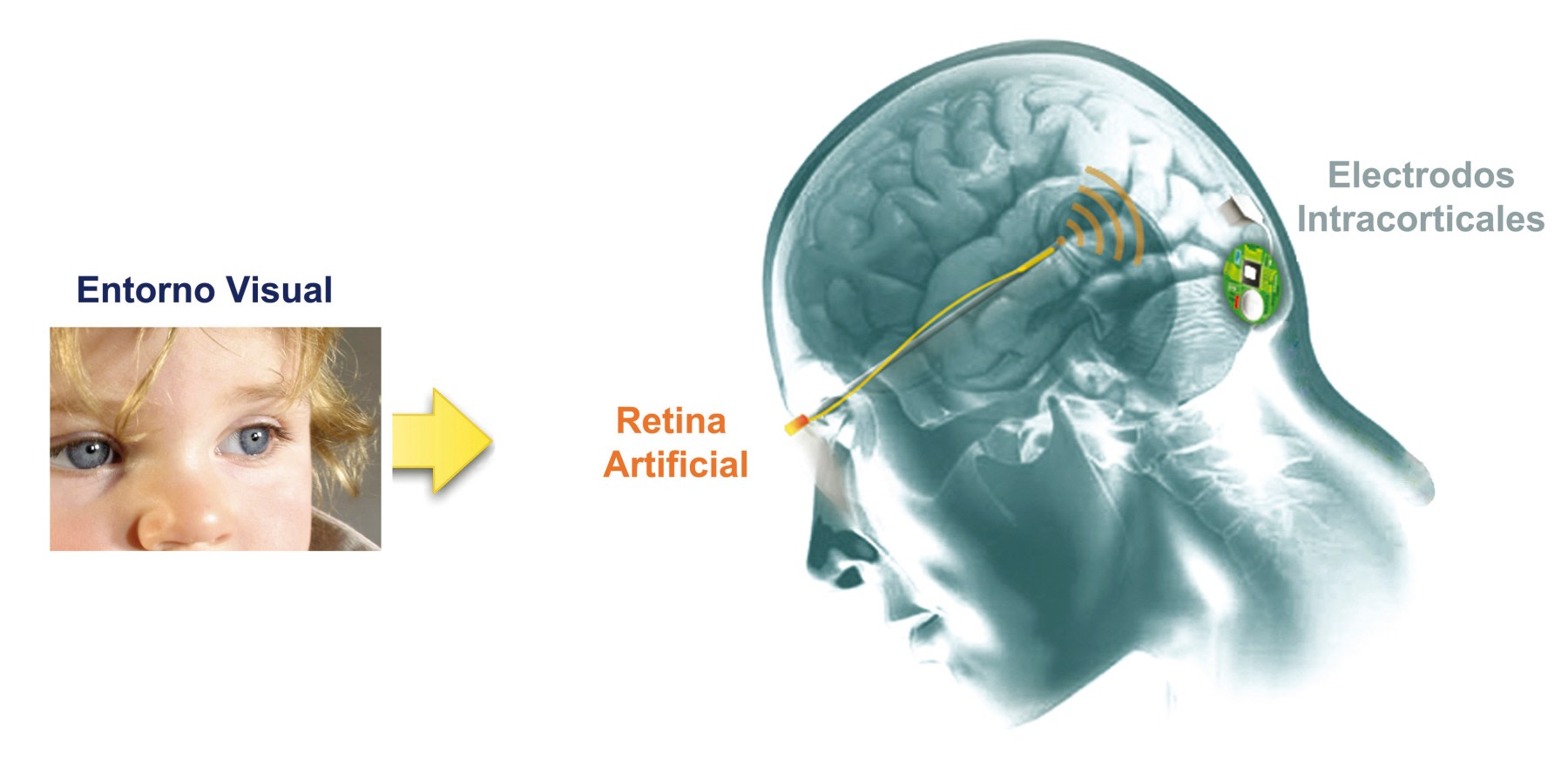
Barely two days after the implantation surgery of a Utah Electrode Array (UEA) in his occipital cortex, what conventional medicine would call a miracle occurred. While the patient was still hospitalised, he began to report seeing shadows in movement when the researchers moved their arms in front of him. They were not merely the artificial phosphenes induced by the chip; it was his own brain recovering the capacity to process reality.
Functional results and persistence
Through rigorous training, the patient not only recovered the perception of light and movement but achieved the feat of reading large characters and words, and notably improved hand-eye coordination, enabling the precise grasping of everyday objects. In a twist that Cajal would have celebrated as the ultimate victory of the will, the visual improvement persisted even after the surgical removal (explantation) of the electrodes.
III. The science of sculpture: microstimulation and plasticity
Don Santiago postulated that “every man can be, if he sets his mind to it, the sculptor of his own brain” (“todo hombre puede ser, si se lo propone, escultor de su propio cerebro”). The UMH’s success demonstrates that intracortical microstimulation acts as the sculptor’s chisel, reactivating circuits that Cajal drew with prophetic precision.
The code of Figure 13: the stellar population
Cajal used tissues from a 15-day-old infant to visualise the human visual cortex, since the absence of myelin allowed the complete trajectory of axons to be observed.
The “brain gymnastics” protocol
The patient underwent a daily routine of at least 30 minutes of exercises of increasing complexity. Using the BaLM test, progress was quantified in temporal resolution and light localisation modules, reaching maximum performance levels barely one month after implantation.
The biology of rescue: “silent neurons”
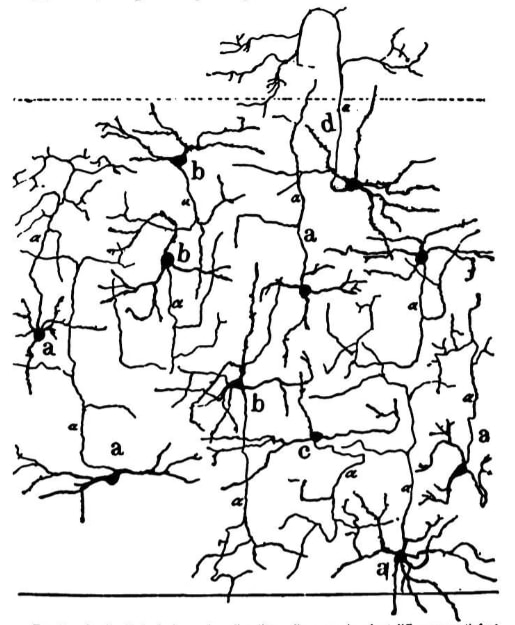
The mechanistic hypothesis suggests that electrical stimulation in the calcarine fissure—the zone housing the myeloarchitecture of the Stria of Gennari—reactivated latent circuits and facilitated the unmasking of alternative processing pathways that prolonged blindness had functionally blocked.
IV. The 2026 clinical milestone: chronicle of an “impossible” case
The subject is a 57-year-old male who suffered bilateral NAION, often described as a “stroke of the optic nerve.” After the acute event, the patient remained in a state of “No Light Perception” (NLP) for more than three years.
The chronology of the awakening
- Implantation Phase: The UEA was surgically inserted in the right occipital region.
- Early Activation Phase: Barely two days post-surgery, the patient reported visual perceptions—not merely artificial phosphenes but spontaneous natural vision.
- Training Phase (Brain Gymnastics): The patient underwent an intensive visual exercise regimen.
- Explantation and Persistence Phase: The most bewildering finding was that visual improvement persisted even after removing the implant six months later.
V. Recovery mechanisms: the induced plasticity hypothesis
-
Penumbra Activation: NAION destroyed much of the optic nerve but left the visual cortex intact. Without input, these neurons entered a state of “homeostatic silence.” The UEA microstimulation broke this silence.
-
Synaptic Rewiring: Chronic stimulation combined with intensive behavioural training forced the brain to optimise the few remaining natural afferent connections. A classic example of Hebb’s rule: “neurons that fire together, wire together.”
-
Neurotrophic Factors: Electrical activity is a potent inducer of plasticity gene expression.
VI. The global panorama: the new race for light
| System | Architecture | Status (2025–2026) | Key Advantage | Main Challenge |
|---|---|---|---|---|
| CORTIVIS (UMH) | Penetrating (UEA) | Published Feb 2026 | Demonstrated natural vision restoration | Scalability |
| Orion (Cortigent) | Epicortical | 6-year study completed (Mar 2025) | Proven safety | Higher current threshold, lower resolution |
| Blindsight (Neuralink) | Penetrating (flexible threads) | Early human trials | Massive resolution (thousands of channels) | Surgical complexity and thread durability |
| Gennaris (Monash) | Epicortical (modules) | Trials in Australia | Wide visual field coverage | Wireless multi-module integration |
| ICVP (IIT Chicago) | Penetrating (wireless) | 2 years of clinical success | Fully wireless | Power and wireless bandwidth |
VII. Epilogue: the future that Cajal bequeathed us
One hundred and twenty years after Santiago Ramón y Cajal received the Nobel Prize, and almost a century after his death, his legacy remains alive and evolving. The figures he drew freehand in 1899 are not museum relics; they are the blueprints that the UMH engineers used to insert their electrodes.
The 2026 patient’s case represents the de facto repeal of Cajal’s “royal decree” on the impossibility of adult regeneration. While anatomy may be fixed, functionality is plastic. Through the symbiosis between human will (the patient training in his kitchen) and technological precision (the implant in the Stria of Gennari), science has managed to rekindle the light in the darkness.
Current research warns us, in tune with Dr Ione Fine, “an electrode is not a pixel.” Vision is a complex dialogue between the eye and the brain. However, the UMH finding suggests we do not need to imitate perfection, but rather catalyse the brain’s own capacity to heal.