Article dedicated to Fernando de Castro Soubriet
I. The historical setting: the Silver Age and the disciple’s gaze
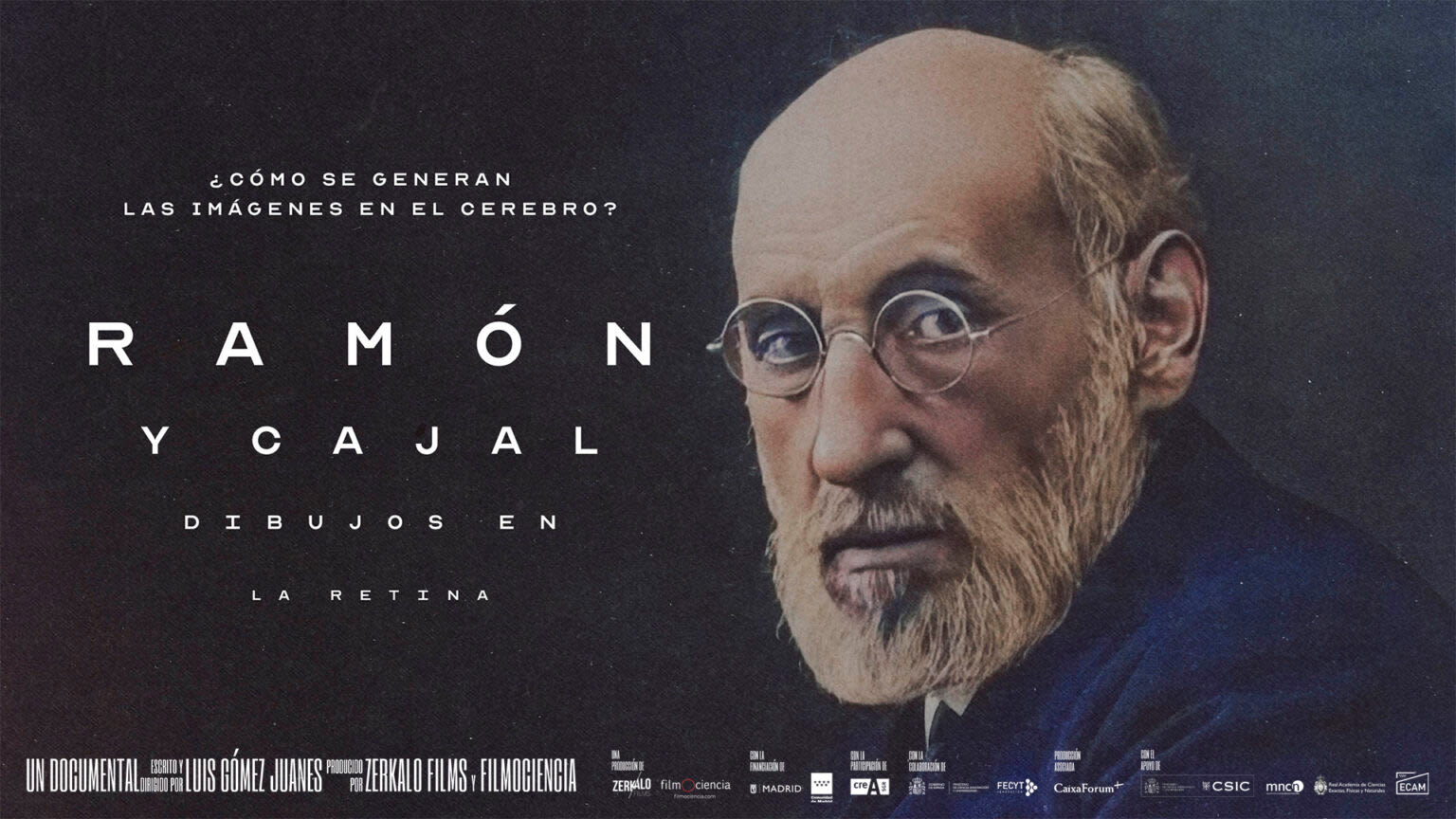
To grasp the magnitude of the discovery of arterial chemoreception, we must place ourselves in the Madrid of the 1920s, a stellar moment of Spanish culture where Science attained the heights of Art. In the Laboratory of Biological Research, under the tutelage of the “Master” Santiago Ramón y Cajal, a silent revolution was gestating.
The Cajal School: territories of the mind
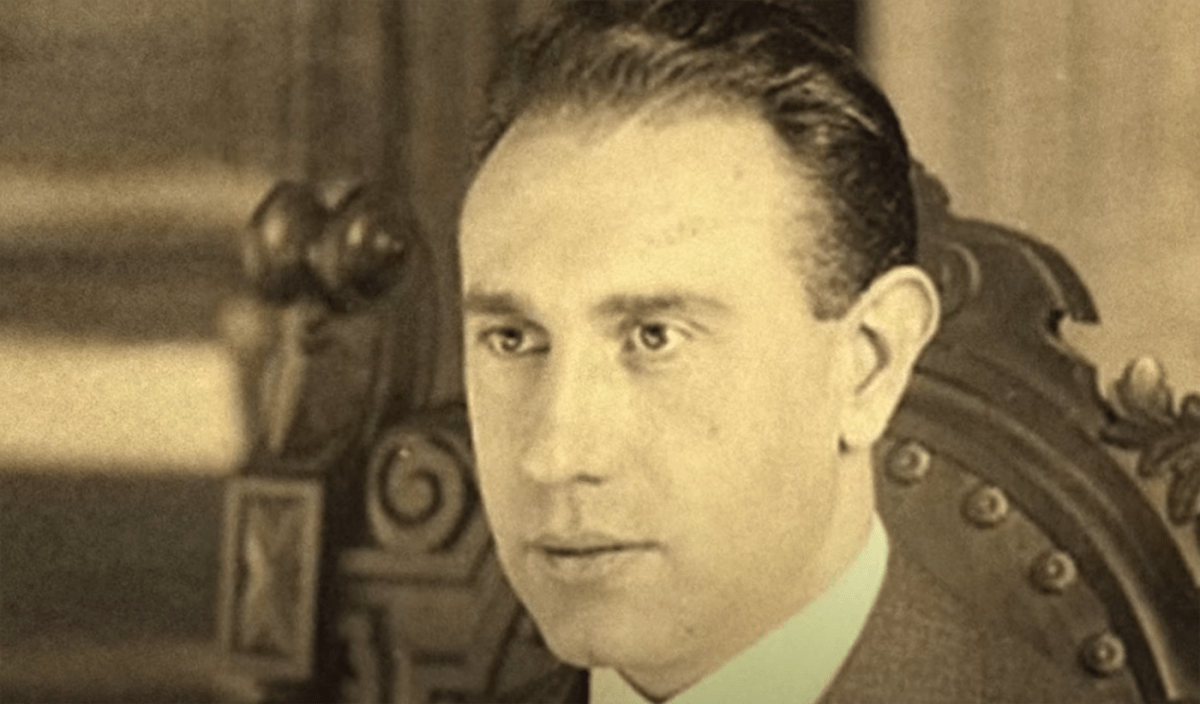
Santiago Ramón y Cajal, with the vision of a strategist, had divided the immense territory of the nervous system among his most brilliant lieutenants. While Pío del Río-Hortega conquered glia and Rafael Lorente de Nó deciphered the architecture of the cortex, the young Fernando de Castro (1896–1967) received the commission to illuminate the darkest corners of the peripheral nervous system.
De Castro was not merely a scientist; he was a virtuoso of technique. He perfected Cajal’s silver impregnation methods, achieving a clarity in the visualisation of nerve fibres that his European contemporaries could not dream of.
The enigma of the “Glomus”: between ganglion and gland
By 1925, the carotid body was a terra incognita. Into this conceptual chaos, Fernando de Castro intervened with the precision of a surgeon and the intuition of a genius.
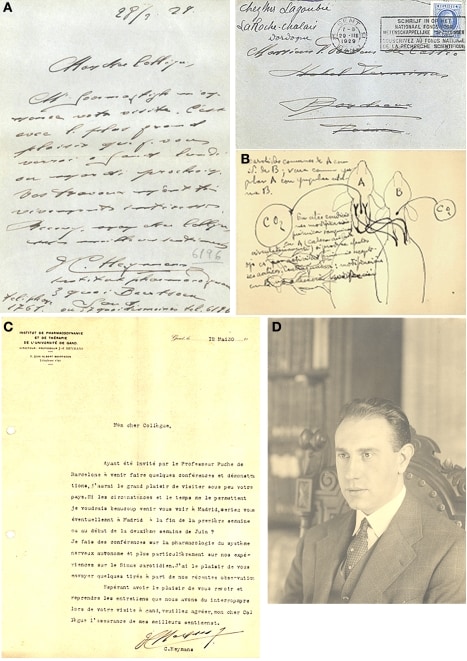
II. The deconstruction of a paradigm (1926–1928)
The surgery of truth
To demolish the glandular theory, De Castro executed a series of masterful denervation experiments. He severed the glossopharyngeal nerve and observed fibre degeneration. The conclusion was unanswerable: the traffic of information went from the organ to the brain. It was an afferent structure, a sense organ.
The “taste” of blood
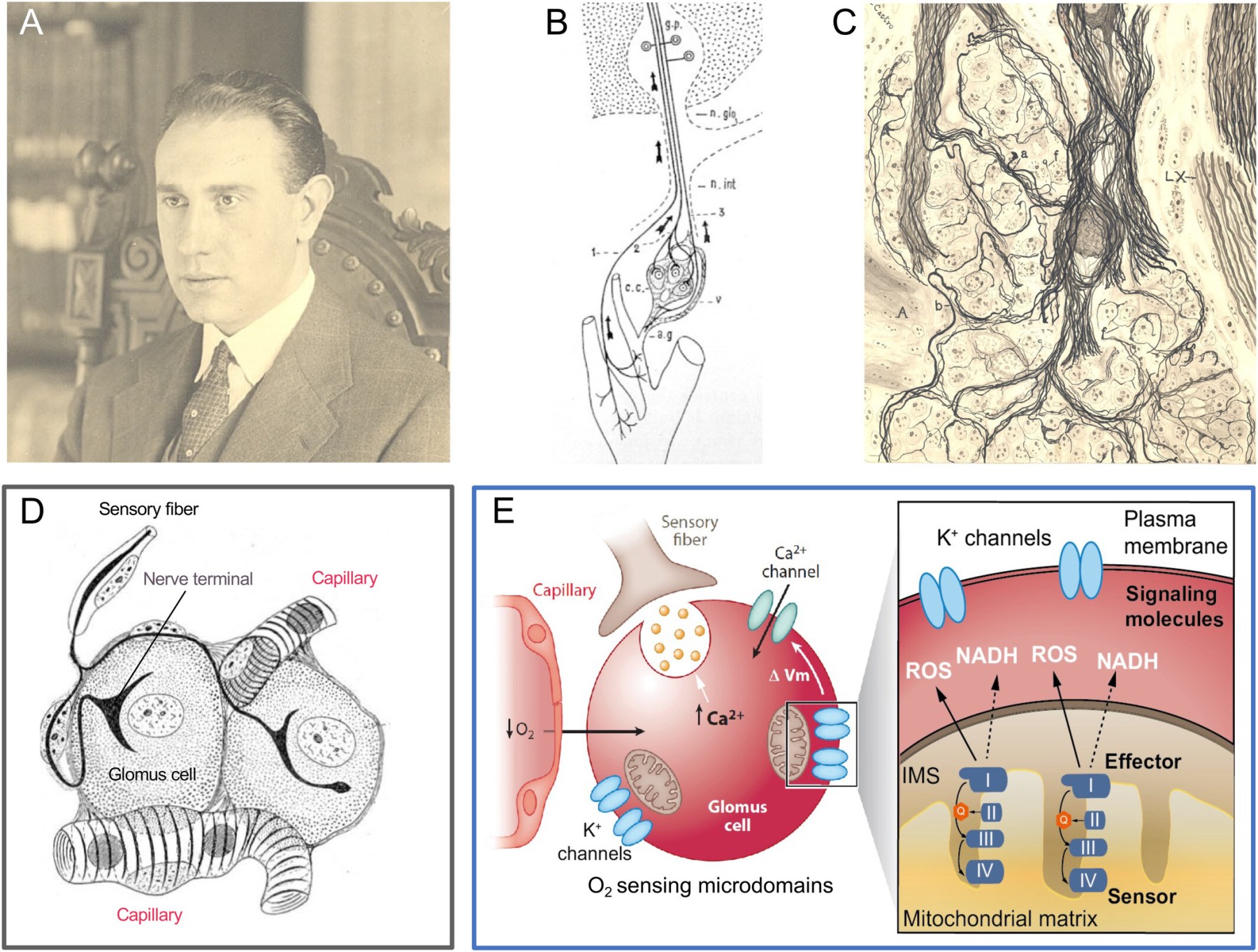
But De Castro went further. Under the microscope, he observed that nerve endings did not touch the blood directly but embraced special cells—the glomus cells—forming “menisci” and complex baskets. With an intuition decades ahead of his time, he proposed the existence of a secondary chemical synapse. He suggested that these cells “tasted” the arterial blood, detecting its chemical changes (oxygen, pH) and transmitting that “tasting” to the nerve endings. De Castro had discovered the body’s internal “sense of smell.”
III. The Greek tragedy of science: the lost Nobel
The Ghent Dialogue (1929–1932)
Corneille Heymans, Belgian physiologist, possessed the experimental machinery but lacked the anatomical map. De Castro gave him that map. Heymans executed the cross-circulation experiments that brilliantly confirmed De Castro’s hypothesis: hypoxia stimulates respiration.
The silence of the bombs (1936–1939)
When Heymans was collecting international laurels, Madrid was burning. De Castro assumed a heroic and anonymous mission: protecting Cajal’s legacy. He turned the institute into a bunker, saving the microscopes and histological preparations from looting.
The solitary Nobel (1938)
In 1938, Corneille Heymans received the Nobel Prize in Physiology or Medicine. Fernando de Castro was ignored. Today, a century later, history’s verdict is clear: the Nobel should have been shared.
IV. From drawing to molecule: the synapse in the twenty-first century
The machinery of hypoxia
We now know that the glomus cell (Type I) is a high-precision oxygen sensor:
- The Mitochondrial Sensor: Specialised mitochondria detect the drop in oxygen pressure and alter ROS and NADH production.
- The Electrical Switch: This metabolic signal closes specific potassium channels, causing cellular depolarisation.
- The Chemical Trigger: Massive calcium influx releases neurotransmitters (ATP, dopamine) that activate the nerve toward the brain. This is the “chemosensory synapse” imagined in 1928, seen in high resolution.
V. The “Ribbon Cable” hypothesis: the final vindication
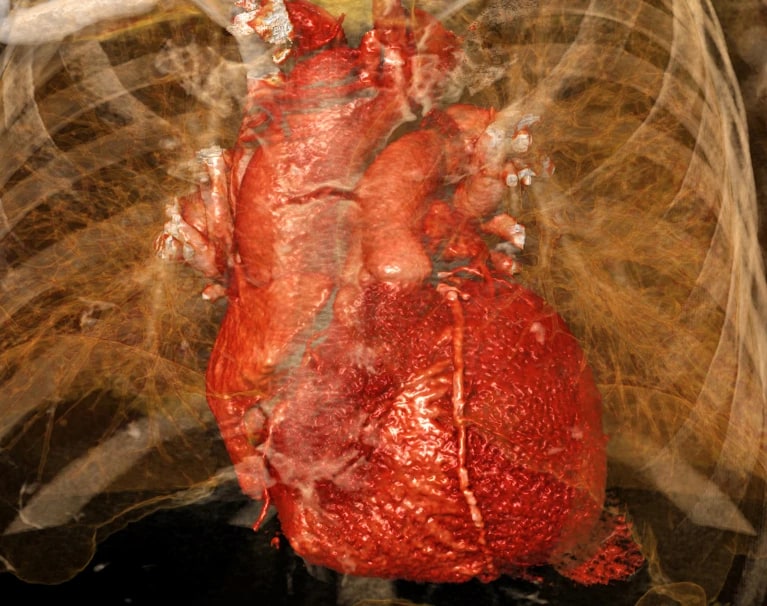
The “Ribbon Cable Hypothesis”, led by Zera, Paton, and Pereyra in 2025, postulates that the carotid body is not a unitary sensor but a set of discrete channels:
- A “wire” dedicated to detecting hypoxia and triggering ventilation.
- Another distinct “wire” that triggers the sympathetic nervous system (blood pressure).
This explains the medical paradox of why a patient can have resistant hypertension from the carotid body without respiratory problems.
VI. The consecration at the summit (Nature and Cell)
1. The Nature confirmation: the Ribbon Cable architecture
2. The Cell confirmation: the mitochondrial dance
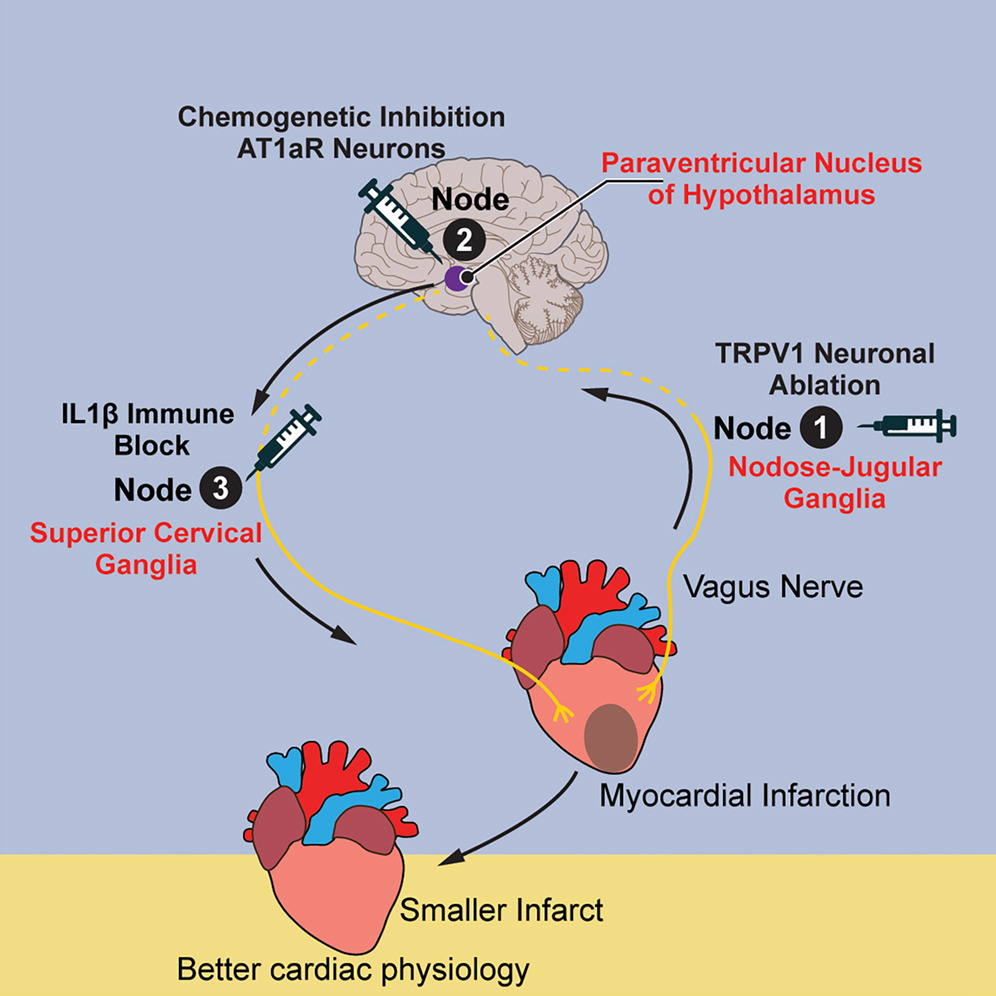
What De Castro described as a “synapse” and a capacity for “tasting,” today is described as a “mitochondrial dance.” The chemical synapse he proposed against the dogmas of his era exists and functions with the precision of a molecular Swiss watch.
VII. Translational medicine 2026: healing with De Castro’s legacy
New therapies: ultrasound and pharmaceuticals (2025–2026)
- Resistant Hypertension: Non-invasive focused ultrasound techniques are being developed to modulate carotid body activity without surgery.
- Sleep Apnoea and Diabetes: It has been discovered that glomus cells express GLP-1 receptors. Drugs like Tirzepatide may “calm” the carotid body.
VIII. Conclusion: the justice of memory
A hundred years after those days in the Madrid laboratory, the figure of Fernando de Castro stands as a giant. He did not need Stockholm’s gold for his work to endure; the silver of his stains and the truth of his science sufficed.
This article is an act of historical justice. We celebrate the scientist who saw the “taste” of blood, the man who protected the microscope under the bombs, and the master whose legacy continues to pulse in every treatment for hypertension and every assisted breath of modern medicine. Fernando de Castro was right.
This article has been prepared integrating data from the commemorative article of Acta Physiologica 2026 and sources from the Fernando de Castro Archive/CSIC, under CC BY 4.0 licence.