Section I: Introduction: Spanish Science and the Nobel Legacy
The history of Spanish science in the context of the Nobel Prizes is a narrative of dramatic contrasts: of peaks of universal recognition, of tragically lost opportunities, and of a vibrant and promising future. At the heart of this story stand two monumental figures, the country’s only scientific laureates: Santiago Ramón y Cajal and Severo Ochoa.1, 2 Their careers, separated by half a century and by the fracture of a civil war, serve as the two pillars upon which any serious analysis of Spain’s contribution to the advancement of human knowledge is built. This report aims to conduct a deep and exhaustive search to identify all Spanish scientists who have been nominated for the Nobel Prize, detailing, whenever the evidence permits, the year of nomination, the work that motivated it, and the identity of the nominators.
To carry out this task with the rigor it deserves, the primary source of information is the nominations database that the Nobel Foundation itself has made public.3 However, this investigation faces a fundamental and inescapable limitation: the “50-year rule.” This rule stipulates that the names of nominees and any information related to their nominations remain sealed for half a century.3 This restriction imposes a clear structure on our analysis. Currently, the nomination archives for the Physics and Chemistry prizes are available up to 1974, while those for Physiology or Medicine have only been declassified up to 1953.3 Consequently, this report is organized into three sections differentiated by the nature of the available evidence: first, the laureates whose recognition is historical fact; second, the confirmed nominees in the public archives, those “near-Nobel” candidates whose candidacy is documented; and third, the most notable contemporary candidates, whose nominations, if they exist, remain secret, but whose scientific stature allows for informed analysis based on indirect indicators.
The central thesis of this article is that Spain’s relationship with the Nobel Prize in Sciences transcends a mere list of names and dates. It is, in reality, a mirror reflecting the country’s own history over the past century and a half. It reflects the brilliance of a scientific “Silver Age” (“Edad de Plata”), its tragic dismantlement by the Civil War and exile, a long and arduous recovery during the autarky, and the emergence of a new era of scientific excellence in a globalized context. The very opacity of the Nobel archives for the most recent period compels us to adopt a dual methodology: archival certainty for the past and qualitative analysis, based on precursor prizes and scientific reputation, for the present. This distinction is not merely a limitation but a defining feature of the study of scientific recognition in real time. Therefore, a “deep search” consists not only of finding what is available but of explaining why certain information is inaccessible and how, despite this, reasoned and rigorous conclusions can be drawn.
Section II: The Laureates: Milestones of Spanish Science Recognized Worldwide
Spain has two Nobel Prize winners in scientific categories. Their stories, although both culminated in Stockholm, represent two models of scientific careers and two radically different historical moments for the country. Santiago Ramón y Cajal was a prophet in his own land, a genius who built a school of worldwide renown from a peripheral Spain. Severo Ochoa, on the other hand, was a product of the diaspora, a talent forged in Spain but who reached the summit as part of the scientific exile caused by the Civil War. Together, their achievements are not only scientific milestones but also powerful social and political symbols.
2.1 Santiago Ramón y Cajal (Physiology or Medicine, 1906): The Architect of the Brain
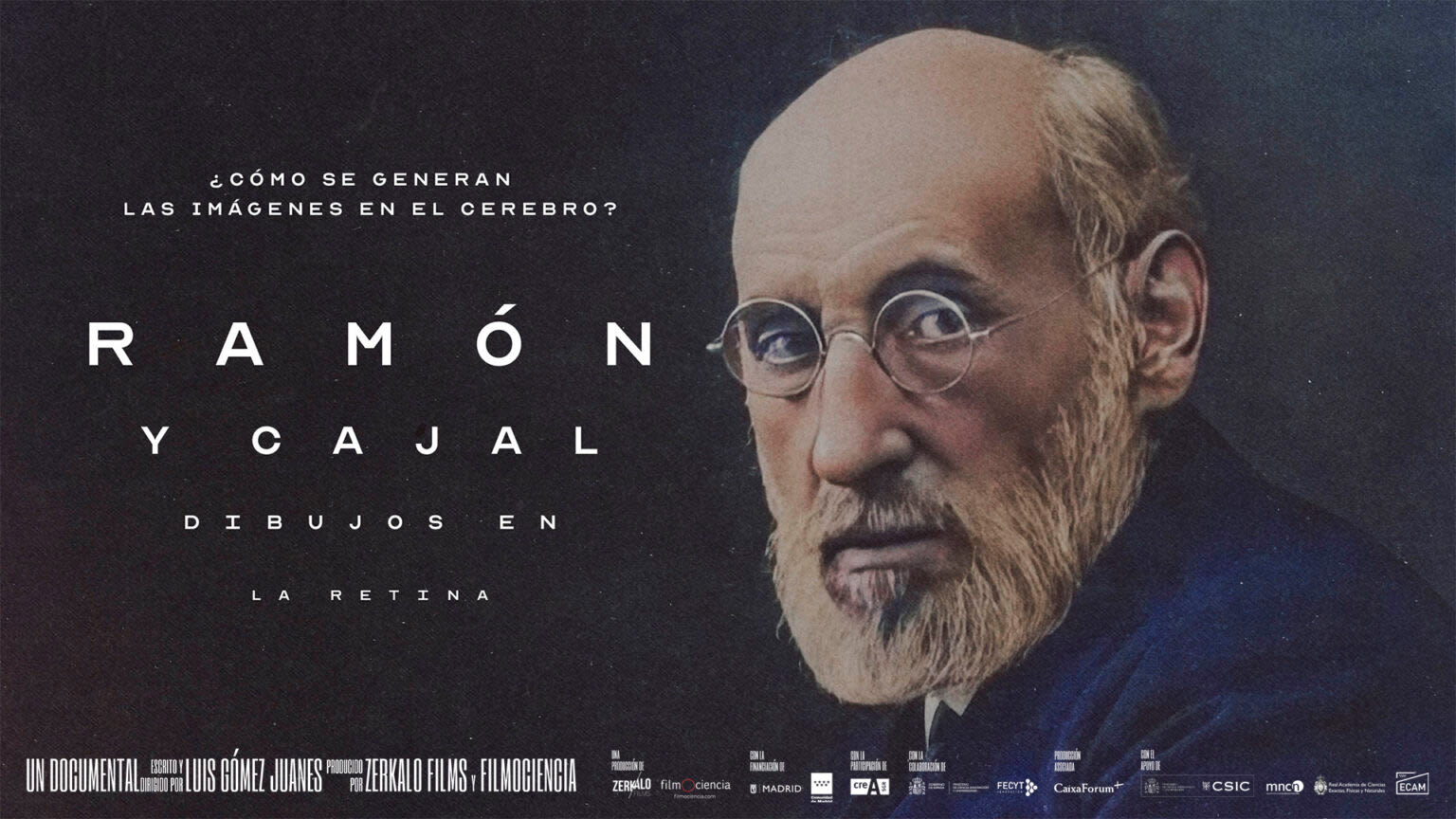
The award granted to Santiago Ramón y Cajal in 1906, shared with the Italian Camillo Golgi, recognized “their work on the structure of the nervous system.”4, 5 Cajal’s contribution was, simply put, foundational. Through his meticulous microscopic observations, he established the “neuron doctrine,” the theory that the nervous system is not a continuous and uninterrupted network of fibers (the “reticular theory” championed by Golgi), but rather a system composed of billions of individual and discrete cells, the neurons, which communicate with one another at specialized points called synapses.6, 7, 8 This concept is the cornerstone upon which all of neuroscience rests.8
The key to his success was both conceptual and technical. Cajal adopted the silver nitrate staining method developed by Golgi, but perfected it and applied it with unprecedented skill and persistence.4 This allowed him to visualize individual neurons with astonishing clarity, tracing their connections and establishing the law of “dynamic polarization,” which describes the unidirectional flow of nervous information. His drawings, of extraordinary precision and beauty, were not mere illustrations but authentic scientific documents that demonstrated his theories.9
Cajal’s path to the Nobel was not a spontaneous recognition but the result of a sustained nomination campaign of a markedly international character, which began with the very first edition of the prizes. The declassified archives of the Nobel Foundation reveal that he was nominated consecutively from 1901 until he finally received the prize in 1906.10, 11, 12 An analysis of his nominators demonstrates the broad support he garnered in the European scientific community, a crucial factor for a scientist from a then-peripheral country like Spain to achieve such a distinction.
Year of NominationScientist NominatedNominator(s)****Affiliation of the Nominator (if specified)CountryLink to Nobel Archive1901Santiago Ramón y CajalAlexander RollettProfessor of Physiology and HistologyAustriaNominations archive111901Santiago Ramón y CajalGustaf RetziusProfessor of Anatomy, Karolinska InstitutetSwedenNominations archive111901Santiago Ramón y CajalBenito Hernando y Espinosa, Frederico Oloriz Aquilera, Julian Calbjo, Antonio Fernandez Chacon, Luis Guedea y Calvo, Amalio Jimeno, José Gomez Ocana, Abdvin Sanchez Herrero, Manuel Alonso Sanudo, Felix Guzman André, Ramon Jimenes Garcia, José Ribera y San, Alexander San-MartinProfessors at Spanish universitiesSpainNominations archive111902Santiago Ramón y CajalGustaf RetziusKarolinska InstitutetSwedenNominations archive111902Santiago Ramón y CajalG. SchwalbeProfessor of Anatomy, University of StrasbourgGermanyNominations archive111903Santiago Ramón y CajalGustaf RetziusKarolinska InstitutetSwedenNominations archive111903Santiago Ramón y CajalM. Ide, P. Pelácz, B. HernandoProfessors from Louvain, Budapest, and ValladolidBelgium, Hungary, SpainNominations archive111904Santiago Ramón y CajalGustaf RetziusKarolinska InstitutetSwedenNominations archive111904Santiago Ramón y CajalA. Rauber, Mamerto CadizProfessors from Dorpat (Tartu) and CádizEstonia (Russian Empire), SpainNominations archive111905Santiago Ramón y CajalAlbert von KöllikerProfessor of Anatomy, University of WürzburgGermanyNominations archive111905Santiago Ramón y CajalFranklin MallProfessor of Anatomy, Johns Hopkins UniversityUSANominations archive111905Santiago Ramón y CajalGustaf RetziusKarolinska InstitutetSwedenNominations archive111905Santiago Ramón y CajalA Nicolas, Pedro Urraca, A Simonerra, S Sierra, L Sedo, N de la Fuente Arrimados, V Sagarra, V Santos, L Clemente y Guerra, L Lopez Garcia, B Morales Arjona, A Cortez, L Corral y Maestro, P Casanova, Const. Gomez y Reig, José Machi, Juan Bartual, Jésus Bartrina, R Mollà, Franco Orts y Orts, E Slocker, V Peset, P Garin, M Candelay, J Magraner, Enrique Lopez, F Moliner, R Gómez FerrerProfessors at Spanish universitiesSpainNominations archive111906Santiago Ramón y CajalAlbert von KöllikerUniversity of WürzburgGermanyNominations archive111906Santiago Ramón y CajalGustaf Retzius, Emil Holmgren, Carl FürstKarolinska InstitutetSwedenNominations archive111906Santiago Ramón y CajalTh. ZiehenProfessor of Psychiatry and Neurology, University of BerlinGermanyNominations archive11
Source: Nobel Foundation Nominations Archive.11, 12
The awarding of the prize was not without deep irony. Cajal had to share it with Camillo Golgi, the principal defender of the reticular theory that Cajal himself had scientifically demolished.4, 5 The culminating moment of this tension occurred during the award ceremony in Stockholm, when Golgi, in his acceptance speech, reaffirmed his belief in the continuous network theory, directly contradicting the work that had earned his co-laureate the prize.12 It was an unprecedented episode that underscored the revolutionary nature of Cajal’s contribution.
2.2 Severo Ochoa (Physiology or Medicine, 1959): The Decoder of the Code of Life
Fifty-three years after Cajal, Spain obtained its second scientific Nobel. Severo Ochoa was awarded the prize, together with the American Arthur Kornberg, “for their discovery of the mechanisms in the biological synthesis of ribonucleic acid and deoxyribonucleic acid.”13, 14 Ochoa’s specific contribution was the discovery and isolation, in 1955, of a bacterial enzyme that he named polynucleotide phosphorylase.15, 16 He demonstrated that this enzyme was capable of synthesizing ribonucleic acid (RNA) in a test tube from its basic components, without the need for a DNA template.13
Although subsequent research revealed that the principal biological function of this enzyme in the cell is, ironically, the degradation of RNA rather than its synthesis, Ochoa’s discovery was transcendental. The ability to synthesize RNA artificially became a tool of incalculable value for other researchers, such as Marshall Nirenberg, in the monumental task of deciphering the genetic code — that is, how the sequence of bases in nucleic acids is translated into the sequence of amino acids in proteins.16
Ochoa’s career is inseparable from the history of Spain. Born in Luarca (Asturias) and educated at the University of Madrid, he was a fervent admirer of Cajal, who inspired his scientific vocation.13, 15 However, the outbreak of the Civil War in 1936 forced him to leave the country, beginning what he himself called his “years of pilgrimage” (“años de peregrinaje”).14 After passing through Germany and England, he finally settled in the United States in 1941, joining New York University in 1942. It was there that he carried out the work that earned him the Nobel. In 1956, three years before receiving the prize, he adopted American citizenship.13, 16 Despite developing his most brilliant career in exile, he always maintained a strong bond with Spain, to which he returned after his retirement and where he died in 1993.13
Unlike the case of Cajal, the details of Severo Ochoa’s nominations remain largely sealed by the 50-year rule. His 1959 victory means that the corresponding archives will not be public until 2010, and they have not yet been fully processed and published by the Foundation.3, 17 A search of the available archives up to 1953 does not yield any nominations in his name, which strongly suggests that his candidacy was consolidated in the second half of the 1950s, following his key discovery of 1955.18
The contrast between Cajal and Ochoa is, therefore, the clearest manifestation of the impact of Spain’s political history on its scientific development. Cajal represents the apogee of a national modernization project, the Silver Age, which enabled the creation of first-rate science from within. Ochoa, by contrast, personifies the rupture of that project — the talent that had to flourish abroad due to the upheaval and subsequent isolation of the country.
Section III: Confirmed Nominations in the Nobel Archives: The Documented “Near-Nobels”
Beyond the laureates, the declassified archives of the Nobel Foundation reveal the names of other Spanish scientists who were considered for the prize. These nominations, although they did not culminate in an award, are a testament to the international recognition that Spanish science achieved, especially during the so-called Silver Age. Among them, one name stands out above all others for the magnitude of his contribution and the injustice of his neglect: Pío del Río Hortega.
3.1 Pío del Río Hortega: The Forgotten Genius of the Cajal School
Considered by many as Cajal’s most brilliant disciple, Pío del Río Hortega (1882-1945) made discoveries that, on their own, were worthy of the Nobel Prize.19, 20 His fundamental contribution was the identification and description of two of the four main cell types of the central nervous system. In 1919, using a method of ammoniacal silver carbonate staining that he himself developed, he discovered microglia, the resident immune cells of the brain. Shortly afterward, he described oligodendroglia, the cells responsible for forming the myelin sheath that insulates neuronal axons.19, 21, 22 With these findings, Río Hortega completed the cytological map of the central nervous system that Cajal had begun.
The Nobel nominations database confirms that Pío del Río Hortega was nominated for the Prize in Physiology or Medicine on multiple occasions.23 The public archives record a nomination in 1929 by the Junta para Ampliación de Estudios e Investigaciones Científicas (JAE) (Board for the Extension of Studies and Scientific Research) and Professor M. Bañuelos, and two further nominations in 1937 by Professors L. Urtubey and G. Puche Alvarez.23, 24
Why, then, did a scientist with such extraordinary merits not receive the prize? The answer lies in a confluence of personal and political factors. First, a bitter dispute with his former mentor, Santiago Ramón y Cajal, around 1920, caused his departure from Cajal’s laboratory and a rift with the most influential figure in Spanish science.25 The 1929 nomination by the JAE, an institution chaired by Cajal himself, is explained by their subsequent reconciliation and mutual admiration until the end of their days, as recounted by Juan del Río-Hortega Bereciartu in Salamanca. Second, and definitively, the exile forced upon him by the Civil War truncated his career in Spain. He passed through France and England before settling in Buenos Aires, Argentina, where he died in 1945.21, 22 This uprooting deprived him of the institutional support necessary to maintain a visible and competitive candidacy at the international level. The case of Río Hortega is, therefore, the great tragedy of twentieth-century Spanish science and the perfect counterexample to Cajal’s success story: it demonstrates how pure scientific merit can be nullified by personal politics and national upheaval.
3.2 Rafael Lorente de Nó: Cajal’s Last Disciple and Multiple-Time Candidate
Considered the last and most precocious of Cajal’s direct disciples, Rafael Lorente de Nó (1902-1990) was a world-class neuroscientist who, like Ochoa, developed the greater part of his career in the United States, primarily at the prestigious Rockefeller Institute.26, 27 His genius lay in his unparalleled ability to combine the histological neuroanatomy learned from his master with the approach of neurophysiology, studying the electrical function of neurons.26
His brilliance did not go unnoticed by the Nobel Committee. Although his name is little known in Spain, Lorente de Nó was nominated for the Nobel Prize in Physiology or Medicine on multiple occasions.26 The public archives confirm nominations in the years 1950, 1952, and 1953.28, 29, 30 The 1950 nomination, submitted by Gerhardt von Bonin of the University of Chicago, specifically cited his “work on motor neurons and the physiology of the nerve fiber.”28 Despite these nominations and his key role in the birth of cybernetics, he never received the award. Some sources suggest that his temperament may have earned him enmities that hindered his path to the prize.26 His case joins that of Río Hortega as another example of an exceptional talent from the Cajal School who came within reach of Stockholm.
3.3 Fernando de Castro: The Nobel That Should Have Been Shared
The case of Fernando de Castro (1896-1967), another key disciple of Cajal, represents one of the most notable omissions in the history of the Nobel in relation to Spanish science.31 De Castro’s most transcendental contribution was the precise anatomical identification of arterial chemoreceptors, tiny structures located in the carotid body that detect changes in the chemical composition of the blood (such as oxygen levels).31
This discovery was the indispensable anatomical foundation that enabled the Belgian physiologist Corneille Heymans to investigate and functionally demonstrate the cardiorespiratory reflexes, work for which Heymans received the Nobel Prize in Physiology or Medicine in 1938.31, 32 The international scientific community, and even Heymans himself, acknowledged that De Castro’s contribution had been so fundamental that he deserved to have shared the award.32, 33 However, despite the crucial importance of his work, no formal nomination in his name appears in the public Nobel archives.34, 35 The scientific isolation of Spain during the Civil War likely contributed to this historical injustice.36 The story of Fernando de Castro is a clear example of how a foundational discovery can be eclipsed in the prize-awarding process, leaving one of its key figures without the highest recognition.
3.4 Exhaustive Search and Negative Results: Clarifying the Historical Record
A fundamental part of an exhaustive investigation consists not only of presenting positive findings but also of reporting negative results in order to prevent the propagation of myths or inaccuracies. A systematic search of the Nobel Foundation’s public nominations database in the categories of Physics, Chemistry, and Physiology or Medicine (within the declassified periods) has yielded no evidence of nominations for other prominent figures of early twentieth-century Spanish science, despite their unquestionable prestige. Among them are:
-
Miguel Catalán (1894-1957): Spectroscopist physicist, renowned for his discovery of “multiplets” in the manganese spectrum. Despite his relevance and international connections, he does not appear as a nominee in the public archives.37, 38
-
Leonardo Torres Quevedo (1852-1936): World-class engineer and inventor, a pioneer in fields such as automatics, aeronautics, and computation. His contributions were more technological and engineering-oriented in nature, which could explain his absence from the scientific categories of the Nobel.37, 39, 40
-
Arturo Duperier (1896-1959): Physicist specializing in cosmic radiation, who spent part of his career in exile in the United Kingdom, where he was a colleague of Nobel laureate P.M.S. Blackett. There is no record of his nomination in the archives.3, 19, 41, 42
-
Julio Rey Pastor (1888-1962): Mathematician who modernized the discipline in Spain and Argentina. He does not appear as a nominee.3, 43, 44
-
Antonio de Gregorio Rocasolano (1873-1941): Chemist and institutional figure of the first order, founder of the School of Chemistry of Zaragoza. He does not appear in the nomination records.3, 45, 46
It is also crucial to clarify the case of José Rodríguez Carracido (1856-1928). This influential chemist, pharmacist, and rector of the Central University of Madrid is often mentioned in lists of possible candidates. However, the Nobel archives reveal a distinct and precise reality: Rodríguez Carracido was not nominated for a science prize. He was a nominator — he nominated for the Nobel Prize in Literature in 1912, supporting the candidacy of the writer Benito Pérez Galdós.47, 48, 49 His role was that of proposing, not of being proposed in the scientific arena.
3.5 Comprehensive Table of Spanish Scientific Nominations in the Nobel Archives
Below is a table consolidating all information available in the Nobel Foundation’s public archives regarding Spanish scientists nominated for prizes in the categories of Physics, Chemistry, and Physiology or Medicine. It is crucial to remember that these archives are subject to a 50-year confidentiality rule, so the information is limited to the declassified periods (up to 1974 for Physics and Chemistry, and up to 1953 for Physiology or Medicine).3
| Scientist Nominated | Prize / Year(s) of Confirmed Nomination / Principal Work Cited / Nominators / Link to Nomination (Nobel Archive) / Santiago Ramón y Cajal |
|---|---|
| 1901: | Alexander Rollett, Gustaf Retzius, Benito Hernando y Espinosa, Frederico Oloriz Aquilera, Julian Calbjo, Antonio Fernandez Chacon, Luis Guedea y Calvo, Amalio Jimeno, José Gomez Ocana, Abdvin Sanchez Herrero, Manuel Alonso Sanudo, Felix Guzman André, Ramon Jimenes Garcia, José Ribera y San, Alexander San-Martin. |
| 1902: Gustaf Retzius, G. Schwalbe. | |
| 1903: Gustaf Retzius, P. Pelácz, M. Ide, Benito Hernando y Espinosa. | |
| 1904: Gustaf Retzius, A. Rauber, Mamerto Cadiz. | |
| 1905: Albert von Kölliker, Franklin Mall, Gustaf Retzius, Emil Holmgren, A. Nicolas, Pedro Urraca, A. Simonerra, S. Sierra, L. Sedo, N. de la Fuente Arrimados, V. Sagarra, V. Santos, L. Clemente y Guerra, L. Lopez Garcia, B. Morales Arjona, A. Cortez, L. Corral y Maestro, P. Casanova, Const. Gomez y Reig, José Machi, Juan Bartual, Jésus Bartrina, R. Mollà, Franco Orts y Orts, E. Slocker, V. Peset, P. Garin, M. Candelay, J. Magraner, Enrique Lopez, F. Moliner, R. Gómez Ferrer. | |
| 1906: Albert von Kölliker, Gustaf Retzius, Emil Holmgren, Carl Fürst, Th. Ziehen. 11Nominations archive 11Pío del Río HortegaPhysiology or Medicine1929, 1937 23Discovery and description of microglia and oligodendroglia 19, 21, 221929: Junta para Ampliación de Estudios e Investigaciones Científicas (JAE), M. Bañuelos. 1937: L. Urtubey, G. Puche Alvarez. 23, 24Nomination archive 23Rafael Lorente de NóPhysiology or Medicine1950, 1952, 1953 28, 29, 30Work on motor neurons and the physiology of the nerve fiber 281950: Gerhardt von Bonin. 1952, 1953: Nominators not specified in the public archives. 501950 Nomination 28 |
Note: The absence of other renowned scientists from this table is due to the fact that they do not appear as nominees in the declassified records, or that their possible nominations postdate the currently public period. The case of Severo Ochoa (Nobel in 1959) is an example of the latter, as his nominations are not yet public.3, 17
Section IV: Contemporary Candidates and Notable Cases: The Next Generation and the Great Omissions
As we venture into the era beyond the declassification of the Nobel archives, identifying nominees becomes an exercise in analysis and inference. Nominations are secret, but the international scientific community has reliable indicators for identifying researchers whose work possesses the caliber and impact necessary to be considered. Highly prestigious prizes such as the Wolf (Israel), the Shaw (Hong Kong), the Lasker (USA), or the Frontiers of Knowledge Award from the BBVA Foundation are often regarded as precursors of the Nobel.51 Based on these criteria, Spain currently boasts a group of first-rate scientists who feature prominently in the predictions for the award.
4.1 The CRISPR Revolution: Francis Mojica and the Elusive Nobel
Probably the most notable and debated case of a Spanish scientist in relation to the Nobel in recent decades is that of Francis Mojica (b. 1963). A microbiologist at the University of Alicante, Mojica was the pioneer who unraveled the true biological function of mysterious repetitive DNA sequences in bacteria. It was he who postulated, and demonstrated, that these sequences, which he named CRISPR (Clustered Regularly Interspaced Short Palindromic Repeats), constituted an adaptive immune system that enabled bacteria to defend themselves against viruses.52, 53, 54 His work, the fruit of fundamental research driven by pure curiosity, had to overcome numerous obstacles, including rejection by several high-impact journals before finally being published in 2005.55, 56
This conceptual discovery was the spark that ignited a biotechnological revolution. Building on the immune system described by Mojica, other teams developed CRISPR-Cas9 gene-editing technology — “molecular scissors” of unprecedented precision and ease of use. In 2020, the Nobel Prize in Chemistry was awarded to Emmanuelle Charpentier and Jennifer Doudna “for the development of a method for genome editing.”52, 57 Mojica’s omission generated considerable controversy. The committee’s decision appeared to prioritize the technological application (the tool) over the fundamental biological discovery that made it possible.56, 58 Many in the scientific community consider it an injustice, possibly compounded by the lack of institutional support and funding that Mojica suffered in the early stages of his research.52 Although his nomination cannot be officially confirmed, it is almost a certainty that his name was put forward by numerous scientists who recognize his foundational role.59
4.2 Frontier Physics: From Graphene to Quantum Computing
In the field of physics, two Spanish names resonate with particular force, both recipients of the prestigious Wolf Prize, often a prelude to the Nobel.51
-
Pablo Jarillo-Herrero (b. 1976): This Valencian physicist, a full professor at the Massachusetts Institute of Technology (MIT), is the pioneer of “twistronics.” In 2018, his laboratory discovered that by superimposing two sheets of graphene and rotating them at a very precise “magic angle” (1.1 degrees), the material acquired extraordinary electronic properties, transitioning from an insulator to a superconductor.52, 59, 60, 61 This finding opened an entirely new field of research in condensed matter physics. His work earned him the Wolf Prize in Physics in 2020, shared with the theorists who predicted the phenomenon.62, 63
-
Juan Ignacio Cirac (b. 1965): A theoretical physicist and director at the Max Planck Institute of Quantum Optics in Garching (Germany), he is one of the most influential figures in the world in the fields of quantum computing and quantum information theory.52, 64 His work with Peter Zoller in 1995, proposing a realizable model of a quantum computer based on trapped ions, is considered the starting point of the experimental race toward quantum computing.65, 66 His name appears constantly on lists of Nobel candidates, and he received the Wolf Prize in Physics in 2013.64, 67
4.3 Catalysts for a Sustainable Future: The Legacy of Avelino Corma
Avelino Corma (b. 1951) is a chemist of exceptional impact, whose research has bridged fundamental science and large-scale industrial application. From the Institute of Chemical Technology (ITQ, UPV-CSIC), he has devoted his career to the design and synthesis of catalysts, particularly zeolites — porous materials capable of accelerating and directing chemical reactions with extraordinary efficiency.68, 69 His catalysts are used today in refineries and chemical plants around the world, contributing to the production of cleaner fuels, more energy-efficient processes, and the reduction of pollutant waste.52, 70 With more than 1,500 scientific articles and 200 patents, many of them in industrial use, his candidacy for the Nobel Prize in Chemistry carries indisputable weight.68 He has been awarded the Prince of Asturias Award for Scientific and Technical Research (2014) and the European Inventor Award for Lifetime Achievement (2023).71
4.4 Other Figures of Impact in the 21st Century
The landscape of elite science with a Spanish hallmark is completed by other figures, among whom Eva Nogales (b. 1965) stands out. This biophysicist, who carries out her work at the University of California, Berkeley, is a world leader in the use of cryo-electron microscopy (cryo-EM), a technique that allows the visualization of the three-dimensional structure of biological macromolecules at near-atomic resolution. Her work has been key to understanding the molecular machinery of processes as fundamental as DNA transcription and telomere repair, and she has succeeded in determining the structure of the Cas9 protein, essential in CRISPR technology.1, 59 Winner of the Shaw Prize in Life Science and Medicine in 2023, considered the “Nobel of the East,” her candidacy is especially significant, as she could become the first Spanish woman scientist to receive the award.1, 59
4.5 Pedro Cuatrecasas: The Giant Who Could Have Won Two Nobels
Another paradigmatic case of the Spanish scientific diaspora is that of Pedro Cuatrecasas (1936-2025), a biochemist and pharmacologist born in Madrid who developed his entire career in the United States and whose name is associated with two contributions of Nobel caliber.72, 73
His first major contribution, in the late 1960s, was the invention and development, together with Meir Wilchek, of affinity chromatography.72, 73, 74 This technique, which allows biological molecules to be purified with unprecedented specificity and efficiency, revolutionized biochemistry and became an indispensable tool in laboratories around the world.74, 75 For this invention, Cuatrecasas and Wilchek received the Wolf Prize in Medicine in 1987, an award often considered the antechamber of the Nobel.72, 73
Shortly afterward, Cuatrecasas made his second monumental contribution. Using his own affinity chromatography technique, he was the first to purify and study the insulin receptor, experimentally demonstrating that hormones exert their effects by binding to specific receptors on the surface of cells.72, 74, 76 This discovery, which launched the modern field of endocrinology, was in itself worthy of the highest scientific award.72
Despite the magnitude of his findings, Cuatrecasas never received the Nobel. His subsequent career in the pharmaceutical industry, where he participated in the development of more than 40 high-impact medications such as Lipitor (atorvastatin) and AZT (zidovudine), demonstrates the practical application of his scientific genius.72, 73, 77 Like other contemporary candidates, his most relevant work falls within the 50-year confidentiality period of the Nobel archives, making it impossible to officially confirm his nominations.
The following table summarizes the profiles of these outstanding candidates, whose nominations, while not public, are an open secret in the international scientific community.
| Scientist | Field / Key Contribution / Relevant Precursor Prizes / Francis Mojica |
|---|---|
| Pablo Jarillo-Herrero | PhysicsDiscovery of superconductivity in bilayer graphene twisted at a “magic angle.”Wolf Prize in Physics (2020), Lise Meitner Medal (2021) |
| Juan Ignacio Cirac | PhysicsPioneering work in quantum computing and quantum information theory.Wolf Prize in Physics (2013), Max Planck Medal (2018) |
| Avelino Corma | ChemistryDevelopment of synthetic catalysts (zeolites) with enormous impact on the sustainable chemical industry.Prince of Asturias Award (2014), European Inventor Award (2023) |
| Pedro Cuatrecasas | Chemistry / MedicineInvention of affinity chromatography and discovery of hormone receptors on the cell surface.72, 73, 74Wolf Prize in Medicine (1987).73, 74 |
| Eva Nogales | Chemistry / MedicineAdvances in cryo-electron microscopy for determining the structure of biological macromolecules.Shaw Prize in Life Science and Medicine (2023) |
The profiles of these contemporary candidates reveal two dominant patterns that define Spanish science of excellence in the twenty-first century. On the one hand, an elite diaspora, represented by Jarillo-Herrero, Cirac, Nogales, and Cuatrecasas, who, following a pattern similar to that of Severo Ochoa but in a context of globalization rather than exile, have developed their most prizeworthy careers at top-tier institutions outside Spain (MIT, Max Planck, Berkeley, Johns Hopkins).72 On the other hand, a model of local resistance, embodied by Mojica and Corma, who have carried out their discoveries from Spanish research centers (University of Alicante, ITQ-Valencia).52, 68 The case of Mojica illustrates the enormous difficulties of this path, while that of Corma demonstrates a model of success based on a unique symbiosis between fundamental science, technology transfer, and industrial collaboration. Both trajectories are two sides of the same coin: that of a country that produces talent of Nobel caliber, but whose final recognition often depends on emigration or on an exceptional tenacity to overcome systemic barriers.
Section V: Analysis and Conclusions: Patterns, Challenges, and the Future of Spanish Science on the Nobel Stage
The survey of the history of Spanish scientists nominated for the Nobel Prize reveals a set of recurring patterns and offers a profound perspective on the evolution, challenges, and potential of science in Spain. This is not merely a chronicle of individual successes and failures but rather a reflection of the structural, political, and cultural conditions that have shaped the country’s scientific development for more than a century.
The Cajal School emerges as the point of origin of modern Spanish science with international reach. Cajal’s success was not merely personal; he founded a school of neurohistology that produced talents of the stature of Pío del Río Hortega.19, 78 His case demonstrates the critical importance of international networks and sustained institutional promotion, elements that he cultivated masterfully and whose absence proved fatal to the aspirations of his most brilliant disciple. The story of Río Hortega, marked by personal conflict and exile, represents the great scar left by the Civil War and the subsequent Franco regime, which dismantled the Silver Age and condemned Spanish science to decades of isolation and mediocrity.
The case of Severo Ochoa inaugurates the pattern of success in the diaspora, a model that, in the context of globalization, is repeated in contemporary figures such as Jarillo-Herrero, Cirac, Cuatrecasas, and Nogales. Spain demonstrates a remarkable capacity to train first-rate scientists, but it is often foreign institutions, with greater resources, flexibility, and prestige, that provide them with the platform to carry out their most groundbreaking work.
In the present, the debate surrounding Francis Mojica and the CRISPR Nobel highlights a fundamental tension in the criteria of the Nobel Foundation itself: the dilemma between rewarding the fundamental discovery (Mojica’s basic science) or the technological application derived from it (the “genetic scissors” of Charpentier and Doudna). This case underscores the challenges faced by scientists who work outside the principal centers of academic power, where visibility and the ability to set the agenda are more limited.
Despite these structural challenges, which include often insufficient and short-term economic investment and a bureaucracy that can hamper the agility of research,1, 52 the current landscape is cause for cautious but firm optimism. Spain today counts an unprecedented number of scientists whose work is recognized internationally at the highest level and who are considered serious Nobel candidates. Figures such as Corma and Mojica demonstrate that it is possible to carry out frontier science from national institutions, although it often requires extraordinary resilience and ingenuity to overcome the obstacles.
Ultimately, the possible future recognition of one of these candidates would not be merely a personal triumph. It would be the validation of the resurgence and maturity of the Spanish scientific system in the twenty-first century. A clear example of this maturity and the global impact of science bearing a Spanish hallmark is the recent election of Eva Nogales as a Foreign Member of the Royal Society of the United Kingdom in 2025, one of the oldest and most prestigious scientific academies in the world.79, 80, 81 This milestone not only underscores the excellence of her research but also consolidates her as a powerful role model and example of vocation for female students and scientists, demonstrating that talent trained in Spain can reach the highest levels of international recognition. It would represent the closing of a historical circle, where the legacy of the Silver Age and of figures such as Pío del Río Hortega could, at last, be redeemed by a new generation that has restored Spanish science to the place it deserves on the world stage.
Section VI: Bibliography
-
Nieto Lorasque, A. (2024, June 19). Scientist Eva Nogales: “The Nobels are the Oscars of science; here, the nomination alone is already an achievement”. La Razon. Retrieved from https://www.larazon.es/sociedad/cientifica-eva-nogales-nobel-son-oscar-ciencia-aqui-nominacion-merito_2024061966724d206a0d13000114e2a4.html
-
Pino, O. (2023, October 5). The Spaniards who have won a Nobel Prize: Who was the first and in which categories?. AS.com. Retrieved from https://as.com/actualidad/sociedad/los-espanoles-que-han-ganado-un-premio-nobel-quien-fue-el-primero-y-en-que-categorias-n/
-
The Nobel Prize. (n.d.). Nomination archive. NobelPrize.org. Retrieved July 15, 2025, from https://www.nobelprize.org/nomination/archive/
-
The Editors of Encyclopaedia Britannica. (n.d.). Santiago Ramon y Cajal. Britannica. Retrieved from (https://www.britannica.com/biography/Santiago-Ramon-y-Cajal)
-
The Nobel Prize. (n.d.). The Nobel Prize in Physiology or Medicine 1906. NobelPrize.org. Retrieved from https://www.nobelprize.org/prizes/medicine/1906/summary/
-
Santiago Ramon y Cajal. (n.d.). In Wikipedia. Retrieved July 15, 2025, from ((https://en.wikipedia.org/wiki/Santiago_Ram%C3%B3n_y_Cajal))
-
The Nobel Prize. (n.d.). Santiago Ramon y Cajal — Facts. NobelPrize.org. Retrieved from https://www.nobelprize.org/prizes/medicine/1906/cajal/facts/
-
Real Academia Nacional de Medicina. (n.d.). The Nobel Prize Winner Who Unraveled the Human Brain. Google Arts & Culture. Retrieved from https://artsandculture.google.com/story/the-nobel-prize-winner-who-unraveled-the-human-brain-real-academia-nacional-de-medicina/6QVxcLhuDlDqKg?hl=en
-
De Carlos, J. A., & Pedraza, M. (2014). The legacy of Santiago Ramon y Cajal in Russia: Ivan P. Pavlov. Frontiers in Neuroanatomy, 8, 52. https://doi.org/10.3389/fnana.2014.00052
-
List of nominees for the Nobel Prize in Physiology or Medicine. (n.d.). In Wikipedia. Retrieved July 15, 2025, from https://en.wikipedia.org/wiki/List_of_nominees_for_the_Nobel_Prize_in_Physiology_or_Medicine
-
The Nobel Prize. (n.d.). Nomination archive: Santiago Ramon y Cajal. NobelPrize.org. Retrieved from https://www.nobelprize.org/prizes/medicine/1906/cajal/nominations/
-
Grant, G. (1999, September 12). How Golgi Shared the 1906 Nobel Prize in Physiology or Medicine with Cajal. NobelPrize.org. Retrieved from https://www.nobelprize.org/prizes/medicine/1906/article/
-
The Editors of Encyclopaedia Britannica. (n.d.). Severo Ochoa. Britannica. Retrieved from ((((https://www.britannica.com/biography/Severo-Ochoa))))
-
Severo Ochoa. (n.d.). In Wikipedia. Retrieved July 15, 2025, from https://en.wikipedia.org/wiki/Severo_Ochoa
-
Washington University School of Medicine. (n.d.). Severo Ochoa. Becker Medical Library. Retrieved from https://beckerexhibits.wustl.edu/legacy-exhibits/mig/bios/ochoa.html
-
EBSCO. (n.d.). Severo Ochoa. EBSCO Research Starters. Retrieved from https://www.ebsco.com/research-starters/history/severo-ochoa
-
The Nobel Prize. (n.d.). Nomination archive: Severo Ochoa. NobelPrize.org. Retrieved from https://www.nobelprize.org/prizes/medicine/1959/ochoa/nominations/
-
The Nobel Prize. (n.d.). Nomination archive: Luis Federico Leloir. NobelPrize.org. Retrieved from https://www.nobelprize.org/nomination/archive/show_people.php?id=10889
-
Nombela, C., Fernandez-Egea, E., Gine, E., Worbe, Y., del Rio-Hortega, J., & De Castro, F. (2021). Women Neuroscientist Disciples of Pio del Rio-Hortega: the Cajal School Spreads in Europe and South America. Frontiers in Neuroanatomy, 15. https://doi.org/10.3389/fnana.2021.666938
-
Quora. (n.d.). Why does such a big country as Spain have so few Nobel winners and very few famous scientists/inventors?. Retrieved from https://www.quora.com/Why-does-such-a-big-country-as-Spain-have-so-few-Nobel-winners-and-very-few-famous-scientists-inventors
-
Compston, A. (2015). From The Archives. Brain, 138(1), 232-236. https://doi.org/10.1093/brain/awu378
-
Alonso, J. R., & Boya, J. (2013). Archive Image: The letters of Pio del Rio-Hortega. Neurosciences and History, 1(4), 192-197.
-
The Nobel Prize. (n.d.). Nomination archive: Pio del Rio-Hortega. NobelPrize.org. Retrieved from https://www.nobelprize.org/nomination/archive/show_people.php?id=2337
-
The Nobel Prize. (n.d.). Nomination archive: Nominees from Junta para Ampliacion de Estudios e Investiciones Cientificas, SPAIN. NobelPrize.org. Retrieved from https://www.nobelprize.org/nomination/archive/country-people.php?country=196&university=429&person=nominee
-
Sierra, A., de Castro, F., & Verkhratsky, A. (2016). The Big-Bang for modern glial biology: Translation and comments on Pio del Rio-Hortega’s 1919 series of papers on microglia. Glia, 64(11), 1801-1840. https://doi.org/10.1002/glia.23046
-
Cajal Institute. (n.d.). Horse of Swords: Rafael Lorente de No. Retrieved from https://cajal.csic.es/en/neurodeck-horse-of-swords/
-
Gine, E., Nombela, C., de Castro, F., & Martinez-Sanz, C. (2016). Rafael Lorente de No (1902-1990). Neurosciences and History, 4(4), 164-167.
-
The Nobel Prize. (n.d.). Nomination archive: Rafael Lorente de No. NobelPrize.org. Retrieved from https://www.nobelprize.org/nomination/archive/show.php?id=7572
-
The Nobel Prize. (n.d.). Nomination archive: Nominees from New York, UNITED STATES. NobelPrize.org. Retrieved from https://www.nobelprize.org/nomination/archive/country-people.php?prize=0&startyear=1901&endyear=1964&offset=650&country=222&city=379
-
The Nobel Prize. (n.d.). Nomination archive: Rafael Lorente de No. NobelPrize.org. Retrieved from https://www.nobelprize.org/nomination/archive/show_people.php?id=6356
-
De Castro, F. (n.d.). Fernando de Castro. NeuroDrawings.org. Retrieved from https://www.neurodrawings.org/fernando-de-castro
-
Corneille Heymans. (n.d.). In Wikipedia. Retrieved July 15, 2025, from https://en.wikipedia.org/wiki/Corneille_Heymans
-
De Castro, F., et al. (2009). The long friendship of Corneille Heymans and Fernando De Castro. ResearchGate. Retrieved from https://www.researchgate.net/figure/The-long-friendship-of-Corneille-Heymans-and-Fernando-De-Castro-A-Letter-from-Heymans_fig5_40895818
-
The Nobel Prize. (n.d.). Nomination archive: Nominees from Instituto de Nutricao Jose de Castro, BRAZIL. NobelPrize.org. Retrieved from https://www.nobelprize.org/nomination/archive/country-people.php?country=30&university=1566&person=nominee
-
Nobel Prize in Medicine. (n.d.). In Wikiwand. Retrieved from https://omni.wikiwand.com/en/articles/Nobel_Prize_in_Medicine
-
De Castro, F. (2014). Fernando de Castro (1896-1967). ResearchGate. Retrieved from https://www.researchgate.net/figure/Fernando-de-Castro-1896-1967-The-picture-was-taken-in-1967-Courtesy-of_fig1_262611276
-
de la Casa, J. L. G. (n.d.). If the mountain won’t come to Science…. Sociedad de Biofisica de Espana. Retrieved from https://biofisica.info/articles-14/if-the-mountain-wont-come-to-science/
-
European Physical Society. (n.d.). Residencia de Estudiantes, Madrid, Spain. Retrieved from https://members.eps.org/?page=distinction_sitesRE
-
Quora. (n.d.). What are the most notable contributions of Spanish scientists to the field of science?. Retrieved from https://www.quora.com/What-are-the-most-notable-contributions-of-Spanish-scientists-to-the-field-of-science
-
Leonardo Torres Quevedo. (n.d.). In Wikipedia. Retrieved July 15, 2025, from https://en.wikipedia.org/wiki/Leonardo_Torres_Quevedo
-
Wolfendale, A. (2012). History of Physics Group Newsletter, (30). Institute of Physics.
-
Nombela, C., et al. (2021). Women Neuroscientist Disciples of Pio del Rio-Hortega: the Cajal School Spreads in Europe and South America. Frontiers in Neuroanatomy, 15. https://doi.org/10.3389/fnana.2021.666938
-
Cueto, M., & Palmer, S. (2014). Latin America. In The Cambridge History of Science (Vol. 8, pp. 650-664). Cambridge University Press.
-
Sanchez-Ron, J. M. (2023). Einstein in Spain. Symmetry, 15(7), 1470. https://doi.org/10.3390/sym15071470
-
Santesmases, M. J. (2018). Bibliography. In The Politics of Chemistry. Cambridge University Press. 46. Omnes. (n.d.). Page 19. Omnes Magazine. Retrieved from https://www.omnesmag.com/en/page/19/?p=ggnhlmyvedb&eeyjrp=rys7wriiqrwx
-
The Nobel Prize. (n.d.). Nomination archive: Benito Perez Galdos. NobelPrize.org. Retrieved from https://www.nobelprize.org/nomination/archive/show.php?id=6483
-
1912 Nobel Prize in Literature. (n.d.). In Wikipedia. Retrieved July 15, 2025, from https://en.wikipedia.org/wiki/1912_Nobel_Prize_in_Literature
-
Einstein-Website.de. (n.d.). Royal Academy of Exact, Physical and Natural Sciences, Madrid. Retrieved from https://einstein-website.de/en/royal-academy-of-exact-physical-and-natural-sciences-madrid/
-
The Nobel Prize. (n.d.). Nomination archive: Rafael Lorente de No. NobelPrize.org. Retrieved from https://www.nobelprize.org/nomination/archive/show_people.php?id=6356
-
AMIT Children. (n.d.). A Passion for Physics Leads to International Acclaim. Retrieved from https://amitchildren.org/passion-physics-leads-international-acclaim/
-
El Debate. (2024, July 8). The Spanish scientists who have been mentioned in recent years for the Nobel. Retrieved from https://www.eldebate.com/ciencia/20240708/cientificos-espanoles-han-sonado-ultimos-anos-nobel_210989.html
-
Montoliu, L. (n.d.). The story of CRISPR in the last ten, twenty and thirty years. Science Media Centre Espana. Retrieved from https://sciencemediacentre.es/en/story-crispr-last-ten-twenty-and-thirty-years
-
Valenzuela, C. (2020, December 10). Nobel Prize in Chemistry: The Age of CRISPR. Lindau Nobel Laureate Meetings. Retrieved from https://www.lindau-nobel.org/blog-nobel-prize-in-chemistry-the-age-of-crispr/
-
Montoliu, L. (2020, October 15). The Nobel Prize that went by. Metode. Retrieved from https://metode.org/news/the-nobel-prize-that-went-by.html
-
Reddit. (2020). 2020 Nobel Prize in Chemistry Discussion Thread. r/science. Retrieved from https://www.reddit.com/r/science/comments/j6qfra/2020_nobel_prize_in_chemistry_discussion_thread/
-
Brokowski, C., & Adli, M. (2022). CRISPR-Cas9: A History of Its Discovery and Ethical Considerations of Its Use in Genome Editing. Genes, 13(8), 1449. https://doi.org/10.3390/genes13081449
-
Reddit. (2020). 2020 Nobel Prize in Chemistry is awarded to Emmanuelle Charpentier and Jennifer Doudna. r/chemistry. Retrieved from https://www.reddit.com/r/chemistry/comments/j6o2rd/2020_nobel_prize_in_chemistry_is_awarded_to/
-
Olmo, C. (2024, October 11). These are the six Spaniards who deserved a Nobel Prize in 2024. La Razon. Retrieved from https://www.larazon.es/sociedad/estos-son-seis-espanoles-que-merecian-premio-nobel-2024_2024101167092875e2e54f00017d7d17.html
-
Pablo Jarillo-Herrero. (n.d.). In Wikipedia. Retrieved July 15, 2025, from https://en.wikipedia.org/wiki/Pablo_Jarillo-Herrero
-
Gregersen, E. (n.d.). Pablo Jarillo-Herrero. Britannica. Retrieved from https://www.britannica.com/biography/Pablo-Jarillo-Herrero
-
Wolf Foundation. (n.d.). Pablo Jarillo-Herrero. Retrieved from https://wolffund.org.il/pablo-jarillo-herrero/
-
MIT News Office. (2020, January 16). Pablo Jarillo-Herrero wins Wolf Prize for groundbreaking work on twistronics. MIT News. Retrieved from https://news.mit.edu/2020/mit-pablo-jarillo-herrero-wins-wolf-prize-physics-0116
-
Ignacio Cirac. (n.d.). In Wikipedia. Retrieved July 15, 2025, from https://en.wikipedia.org/wiki/Ignacio_Cirac
-
Wolf Foundation. (n.d.). Juan Ignacio Cirac. Retrieved from https://wolffund.org.il/juan-ignacio-cirac/
-
German National Academy of Sciences Leopoldina. (n.d.). Prof. Dr. Ignacio Cirac. Retrieved from https://www.leopoldina.org/en/members/list-of-members/list-of-members/member/Member/show/ignacio-cirac/
-
Max Planck Institute of Quantum Optics. (2013, January 7). Professor Ignacio Cirac receives 2013 Wolf-Prize in Physics. Retrieved from https://www.mpq.mpg.de/4867555/13_01_07
-
Corma, A. (n.d.). Biography. Avelinocorma.com. Retrieved from https://avelinocorma.com/biography-a-corma/
-
European Patent Office. (n.d.). Avelino Corma Canos. Retrieved from https://www.epo.org/en/news-events/european-inventor-award/meet-the-finalists/avelino-corma-canos
-
Universitat Politecnica de Valencia. (n.d.). Avelino Corma, a researcher at the ITQ (UPV -CSIC), has won the 2014 Prince of Asturias Award for Technical and Scientific Research. Retrieved from https://www.upv.es/noticias-upv/noticia-6388-avelinocorma-en.html
-
Princess of Asturias Foundation. (2014). Avelino Corma, Mark E. Davis and Galen D. Stucky. Retrieved from https://www.fpa.es/en/princess-of-asturias-awards/laureates/2014-avelino-corma-mark-e-davis-and-galen-d-stucky/?texto=discurso
-
NIH Record. (2025, April 25). NIH Remembers a Giant of Pharmacology. Retrieved from https://nihrecord.nih.gov/2025/04/25/nih-remembers-giant-pharmacology
-
Pedro Cuatrecasas. (n.d.). In Wikipedia. Retrieved July 15, 2025, from https://en.wikipedia.org/wiki/Pedro_Cuatrecasas
-
Wolf Foundation. (n.d.). Pedro Cuatrecasas. Retrieved from https://wolffund.org.il/pedro-cuatrecasas/
-
Cuatrecasas, P., Wilchek, M., & Anfinsen, C. B. (1968). Selective enzyme purification by affinity chromatography. Proceedings of the National Academy of Sciences, 61(2), 636-643.
-
University of Michigan Life Sciences Institute. (2015, October 12). Pedro Cuatrecasas To Receive Honorary Degree From U-M. Retrieved from https://www.lsi.umich.edu/news/2015-10/pedro-cuatrecasas-receive-honorary-degree-u-m
-
Bravo Family Mortuary. (2025). Pedro Martin Cuatrecasas Obituary. Retrieved from https://www.bravofamilymortuary.com/obituaries/Pedro-Martin-Cuatrecasas?obId=39772308
-
Cajal Institute. (n.d.). Page of Gold: The Women of the Cajal School. Retrieved from https://cajal.csic.es/en/neurodeck-page-of-gold/
-
Royal Society. (2025, May 20). Exceptional scientists elected as Fellows of the Royal Society. Retrieved from https://royalsociety.org/news/2025/05/new-fellows/
-
Berkeley Lab. (2025, June 4). Nogales Elected to UK’s Royal Society. Biosciences Area. Retrieved from https://biosciences.lbl.gov/2025/06/04/nogales-elected-to-uks-royal-society/
-
Centro Nacional de Investigaciones Oncologicas (CNIO). (n.d.). Biology delves deeper into the machinery that makes cells work. Retrieved July 15, 2025, from https://www.cnio.es/en/news/biology-delves-deeper-into-the-machinery-that-makes-cells-work/