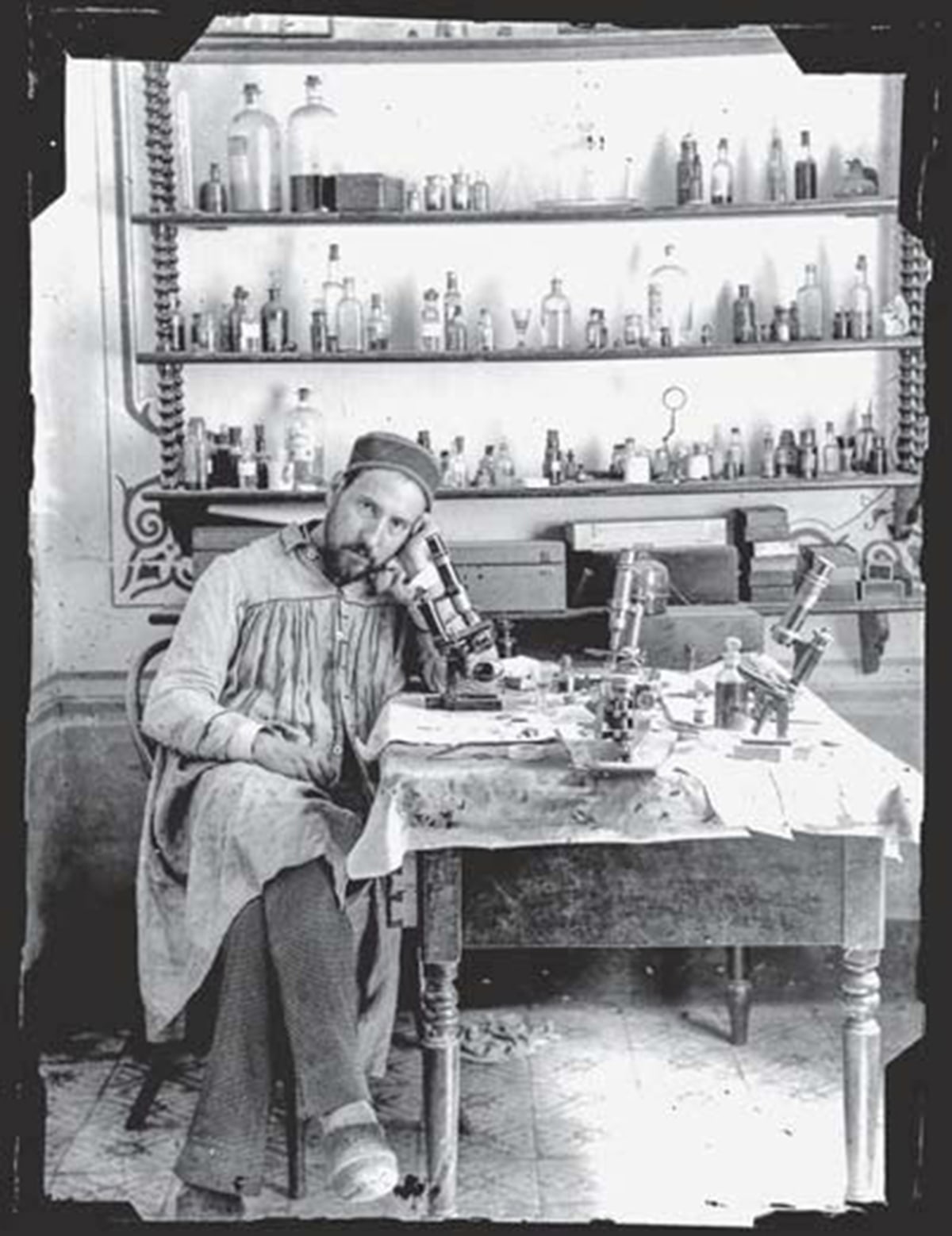
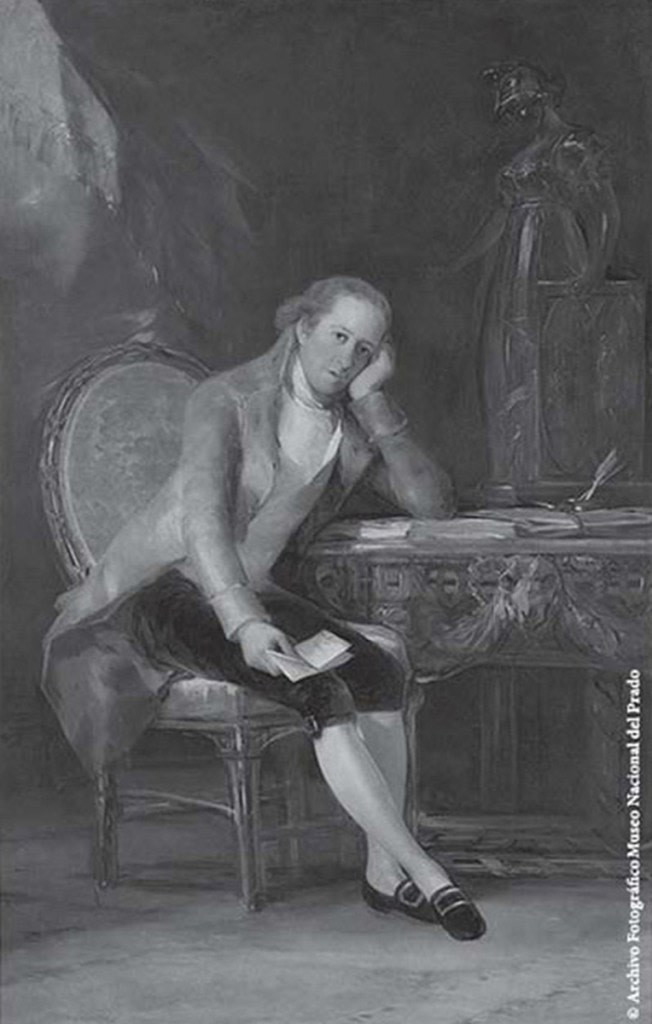
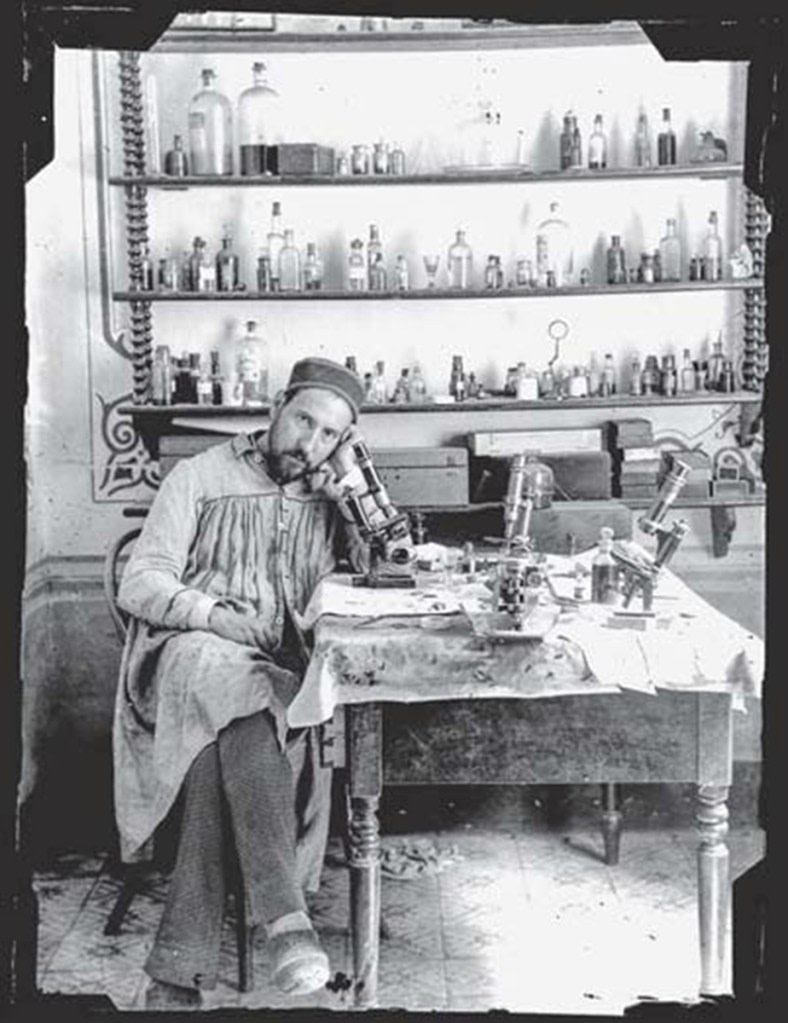
The thought-provoking article “Some Myths and Some Ghosts of Spanish Science” (Algunos mitos y algunos fantasmas de la Ciencia española) explores the persistent notion that Spain has been absent from the history of Science, a concept linked to the so-called “Black Legend” (leyenda negra). The author, the much-admired Juan Pimentel, employs the metaphor of “ghosts” (fantasmas) to describe the intermittent, unrecognized presences of science in Spanish culture. He focuses on the Museo del Prado as a “place of memory and oblivion” (lugar de memoria y de olvido), a space that, although today it is one of the world’s greatest art galleries, was originally conceived as a grand scientific complex — thus symbolizing the “corpse of what could have been and never was” (el cadáver de lo que pudo ser y no fue). Through the analysis of two melancholic portraits — that of Jovellanos painted by Goya and a photographic self-portrait by Santiago Ramón y Cajal — the text examines how the image of Spain as a country devoted to the Arts but estranged from Science has been constructed and contested.
Abstract The history of Spanish Science is full of living dead, intermittent and fleeting presences, poorly buried or unrecognized corpses. These are the specters or ghosts of Spanish science. In this article we turn our attention to the Museo del Prado, where that ghost dwells, for museums are places where not only are things remembered, but where many others are forgotten. Finally, we pause before two melancholic portraits: the one Goya painted of Jovellanos, and a self-portrait by Ramón y Cajal, the great histologist of nervous tissues.
Juan Pimentel Communications 2023/2 n° 113 https://doi.org/10.3917/commu.113.0069
Some Myths and Some Ghosts of Spanish Science — Docs.Santiagoramonycajal