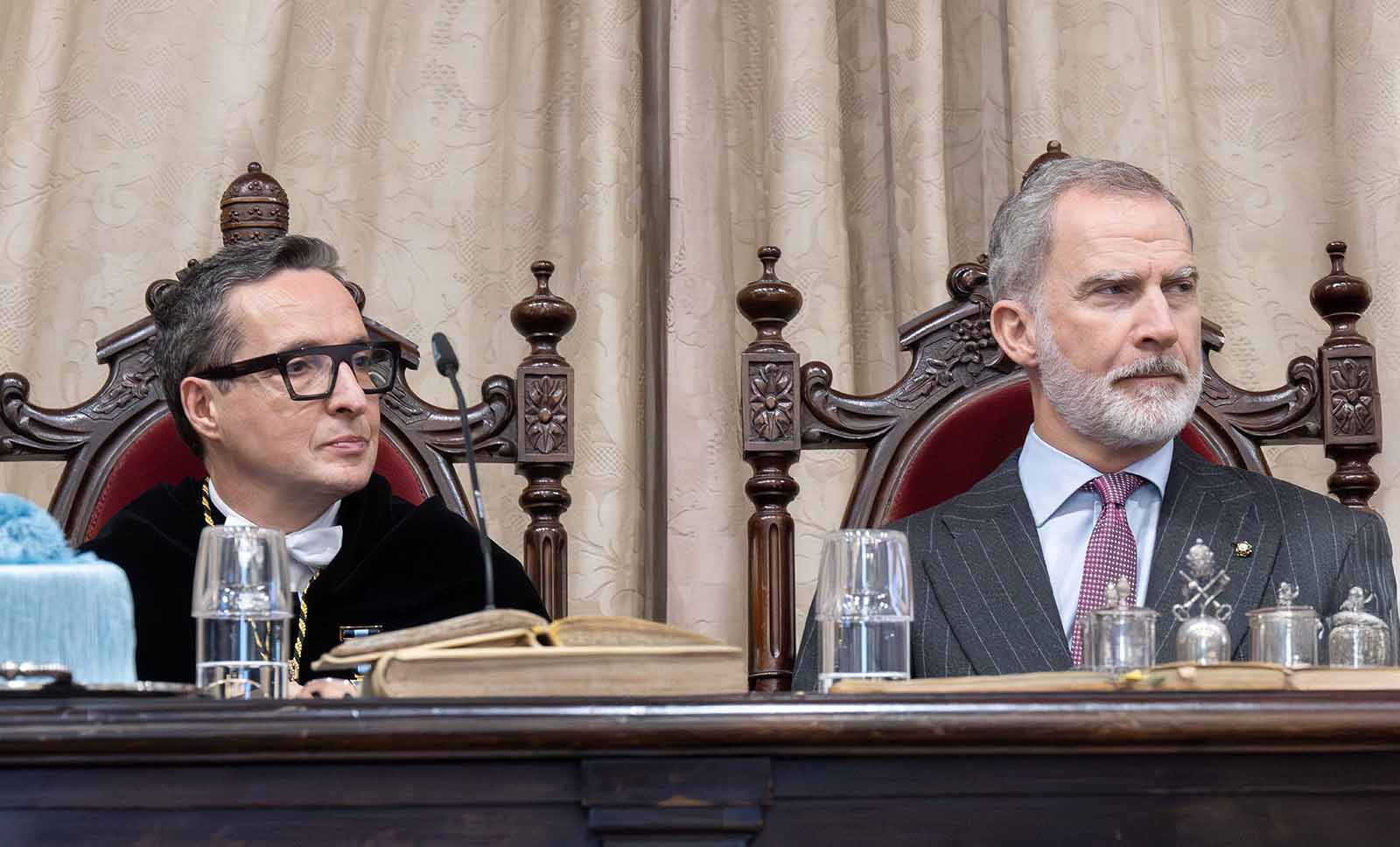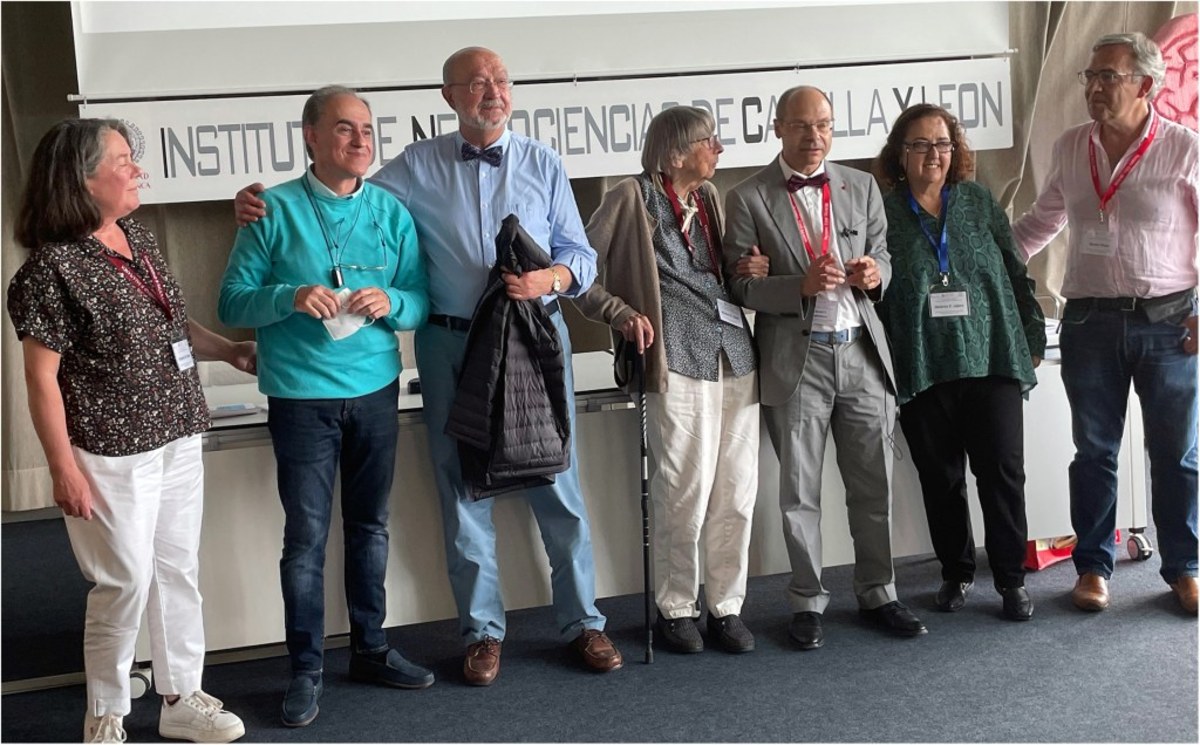
Enrique Saldaña, Fernando de Castro, Dolores E. López, and Manuel S. Malmierca publish an outstanding article in Hearing Research in honor of Professor Emeritus Miguel A. Merchán on the occasion of his 70th birthday.
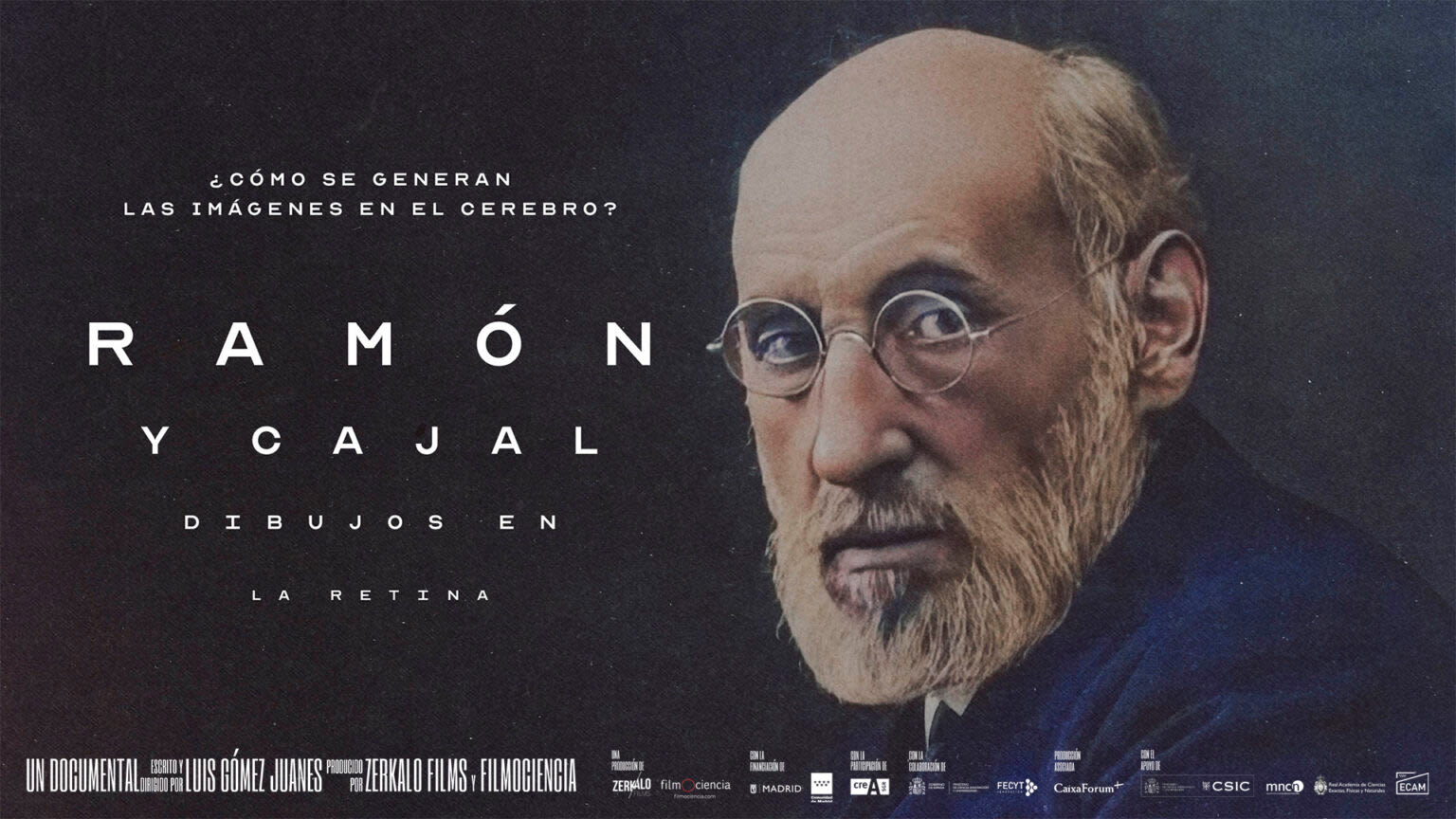
Auditory neuroscience in Spain has its roots in the pioneering contributions of Santiago Ramón y Cajal, who described the organization of the auditory system from the cochlea to the cerebral cortex. His legacy was continued by his disciples, such as Rafael Lorente de Nó and Fernando de Castro.
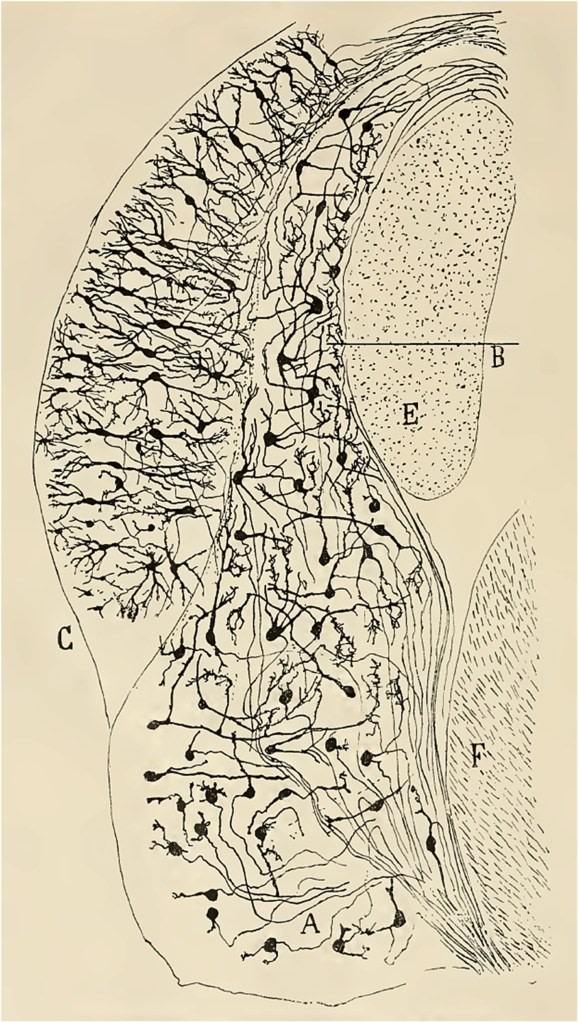
Rafael Lorente de Nó, born in Zaragoza in 1902, joined Cajal’s laboratory in Madrid in 1920. He made important observations on the structure of the mouse cerebral cortex, laying the foundations for the understanding of the columnar organization of the cortex. He also devoted himself to the detailed study of the cochlear nuclei, publishing a monograph in 1981 that remains the most thorough description of any part of the auditory system.
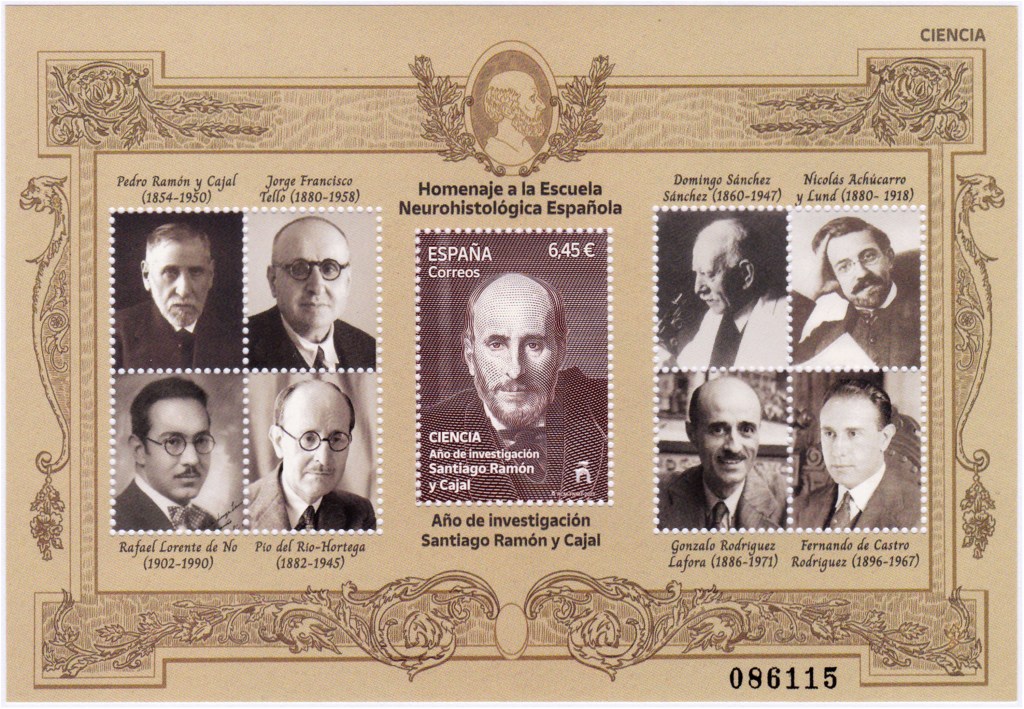
Fernando de Castro, together with Lorente de Nó, was Cajal’s youngest disciple. His work focused mainly on the peripheral nervous system and he is known for the discovery of arterial chemoreceptors in the carotid body. He played a crucial role in preserving the spirit of the Spanish Neurohistology School and trained a new generation of Spanish neuroscientists, including Jaime A. Merchán.
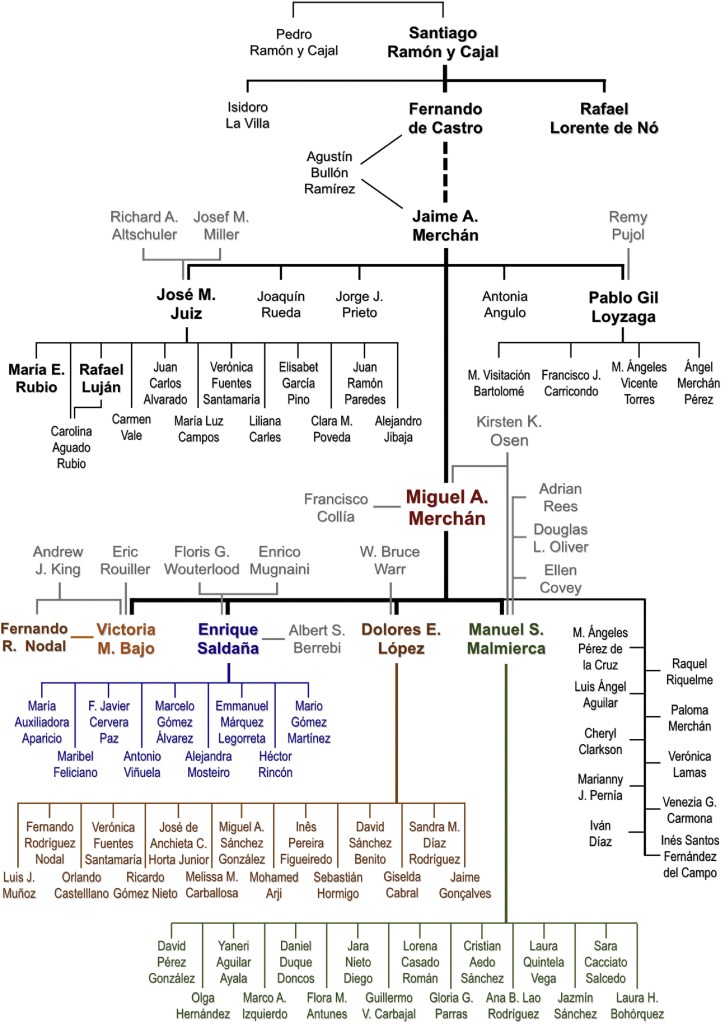
Jaime A. Merchán (1946-2011) revitalized Spanish auditory neuroscience and was the mentor of his brother Miguel. His interest in the auditory system began in the 1970s, studying the ultrastructure and development of the inner ear. He collaborated with his brother Miguel on studies of the innervation of the mammalian cochlear nuclei.
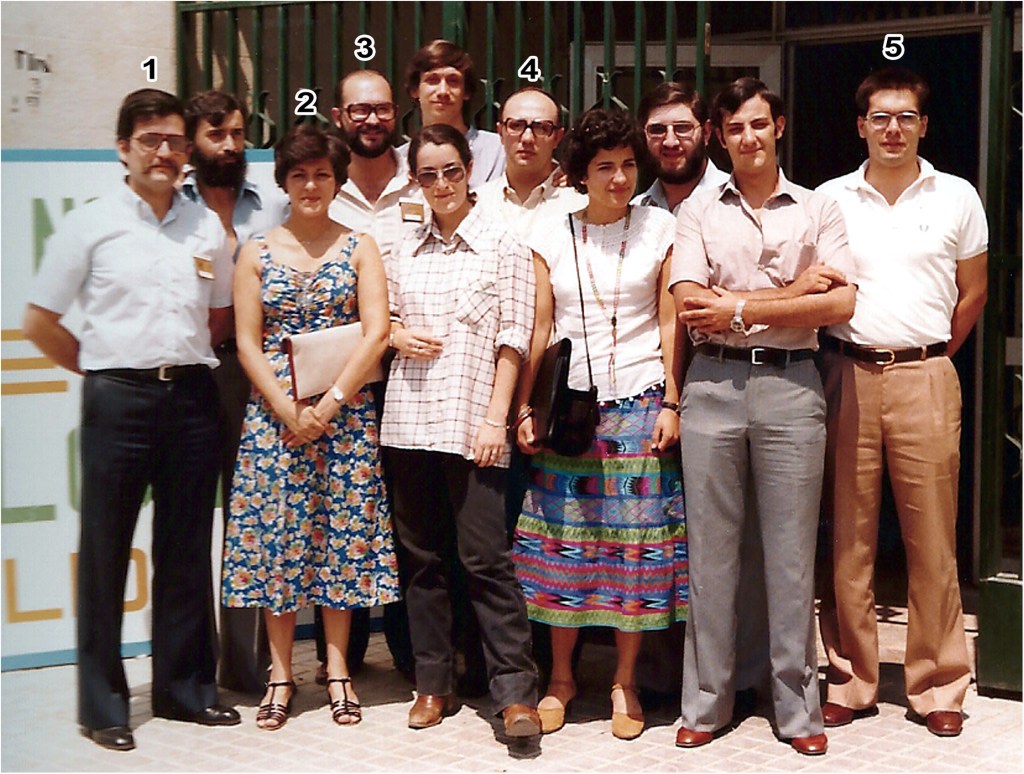
Miguel A. Merchán, born in 1953, moved to the University of Salamanca in 1981, where he began his research on the central auditory system. His pioneering research, which began in the early 1980s, has broadened our understanding of the structure and connectivity of the central auditory system. His initial contributions in the laboratory focused on the innervation of the cochlear nuclei. In addition to his scientific achievements, Miguel Merchán’s influence as a mentor and administrator is notable, having fostered the development of future generations of Spanish scientists. Among his earliest collaborators and disciples are Enrique Saldaña, Manuel S. Malmierca, and Dolores E. López.
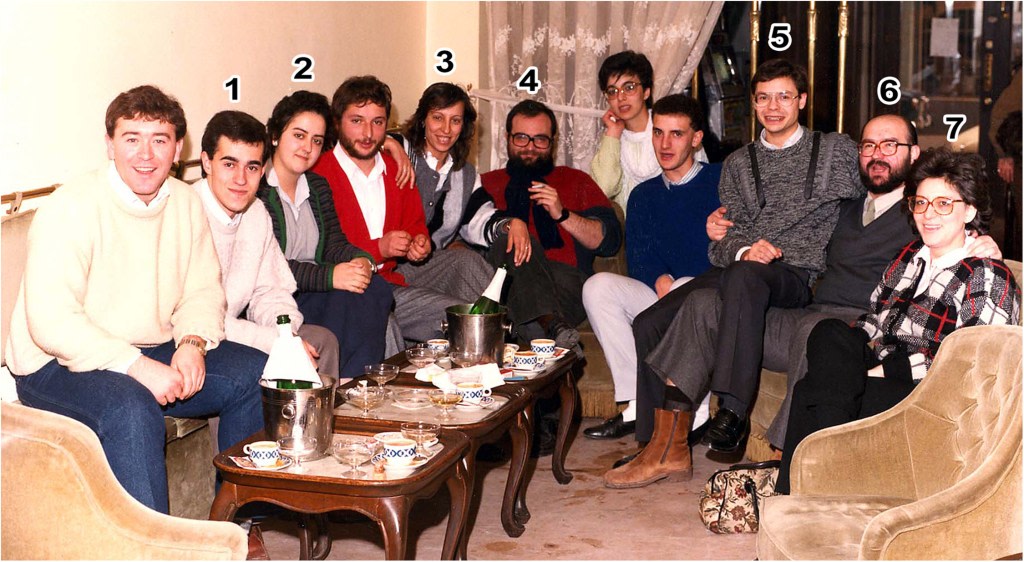
The work of Miguel Merchán and his collaborators has evolved to investigate the plasticity of the auditory system, and their recent work explores innovative approaches to protect and restore hearing, with significant clinical implications. He has maintained an uninterrupted dedication to scientific research.
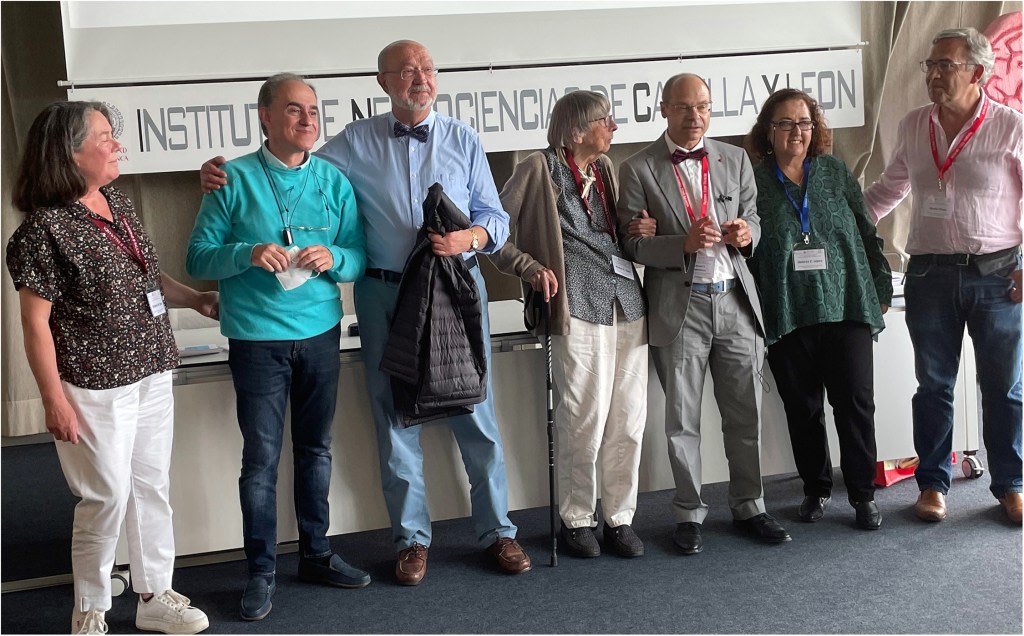
In summary, Spanish auditory neuroscience has advanced from the foundational descriptions of Cajal and his disciples, such as Lorente de Nó and Fernando de Castro, to the contemporary research led by Miguel A. Merchán and his group in Salamanca, who continue to explore the anatomy, neurochemistry, connectivity, and plasticity of the auditory system, with the aim of understanding and treating hearing loss.
1-s2.0-S0378595525001418-main — Docs.Santiagoramonycajal