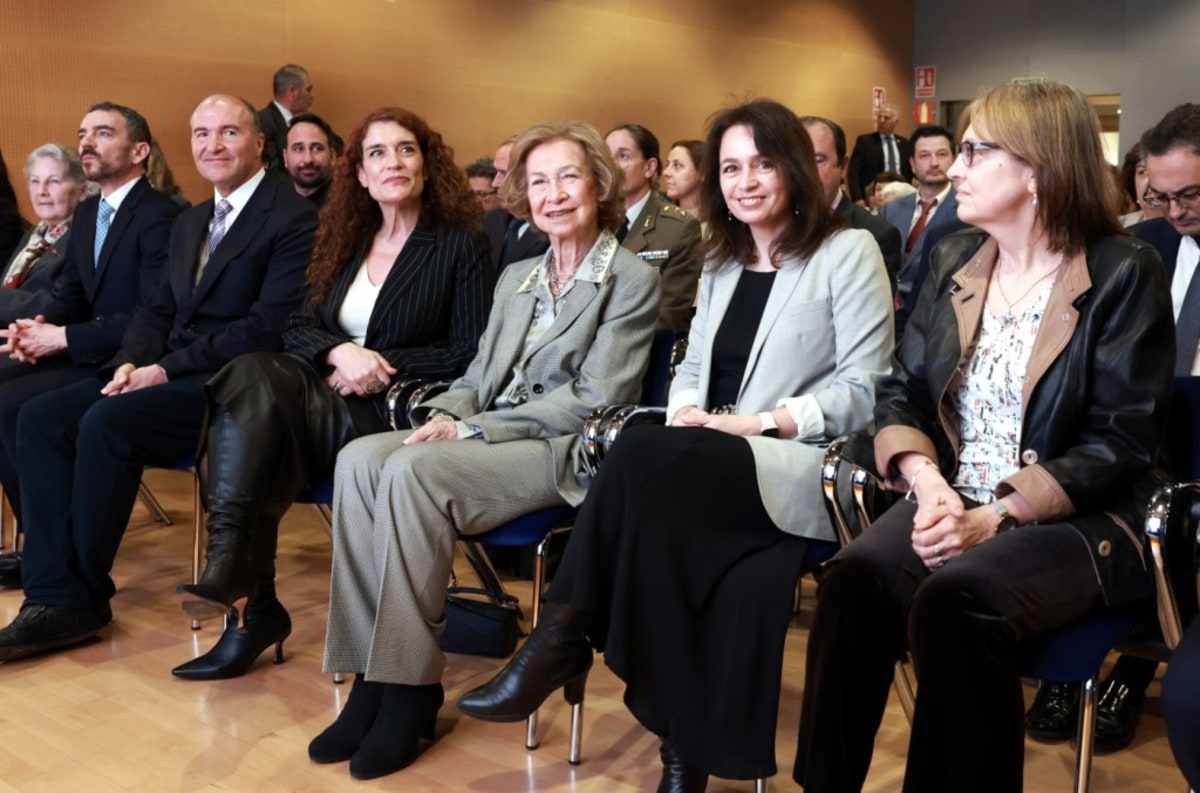
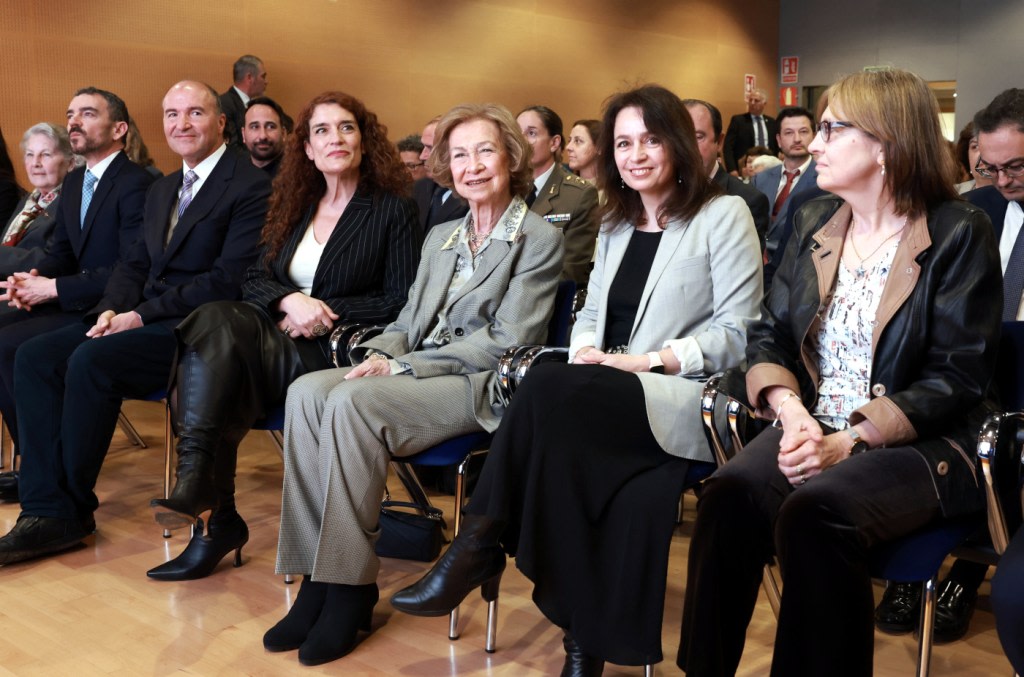
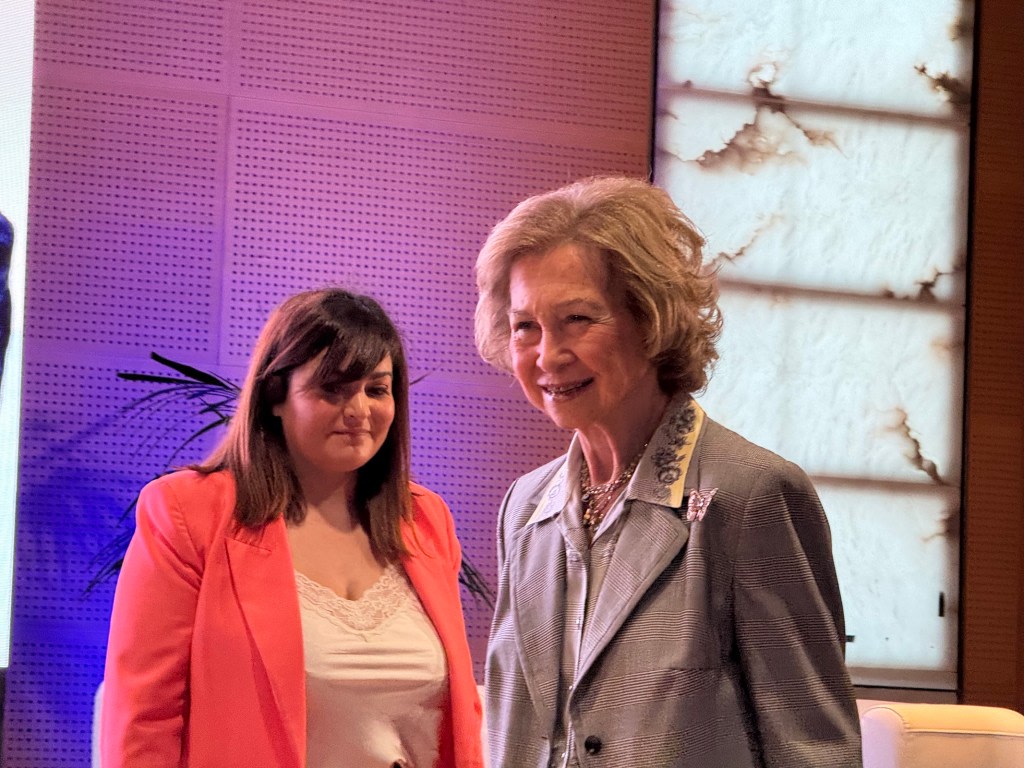
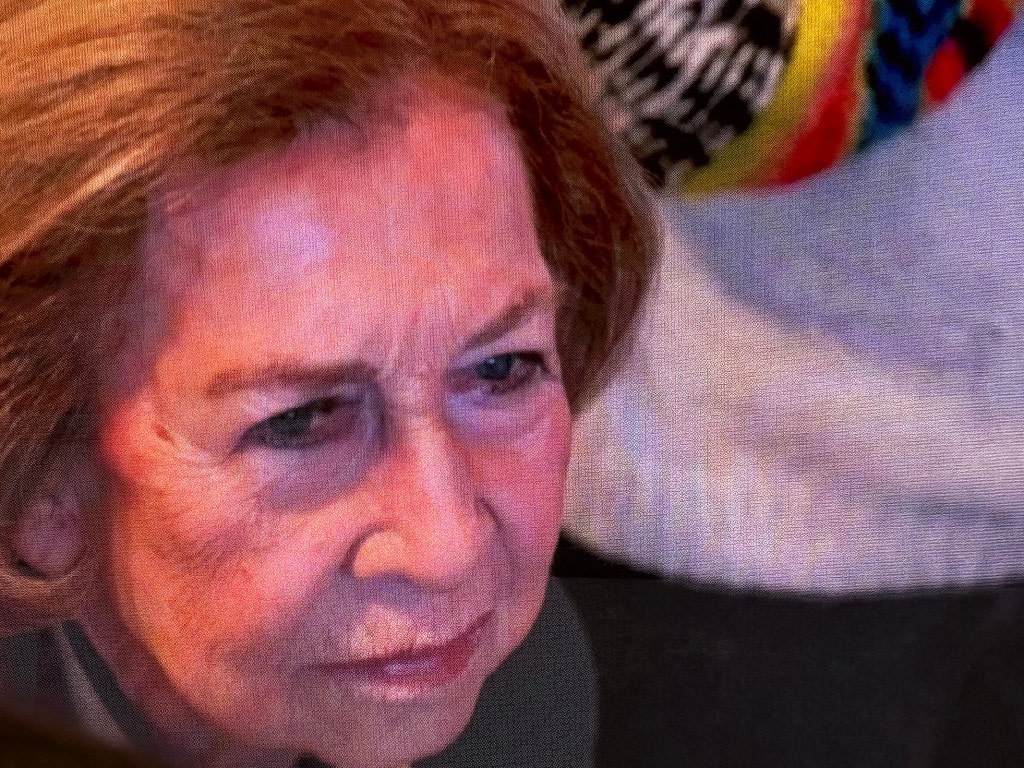
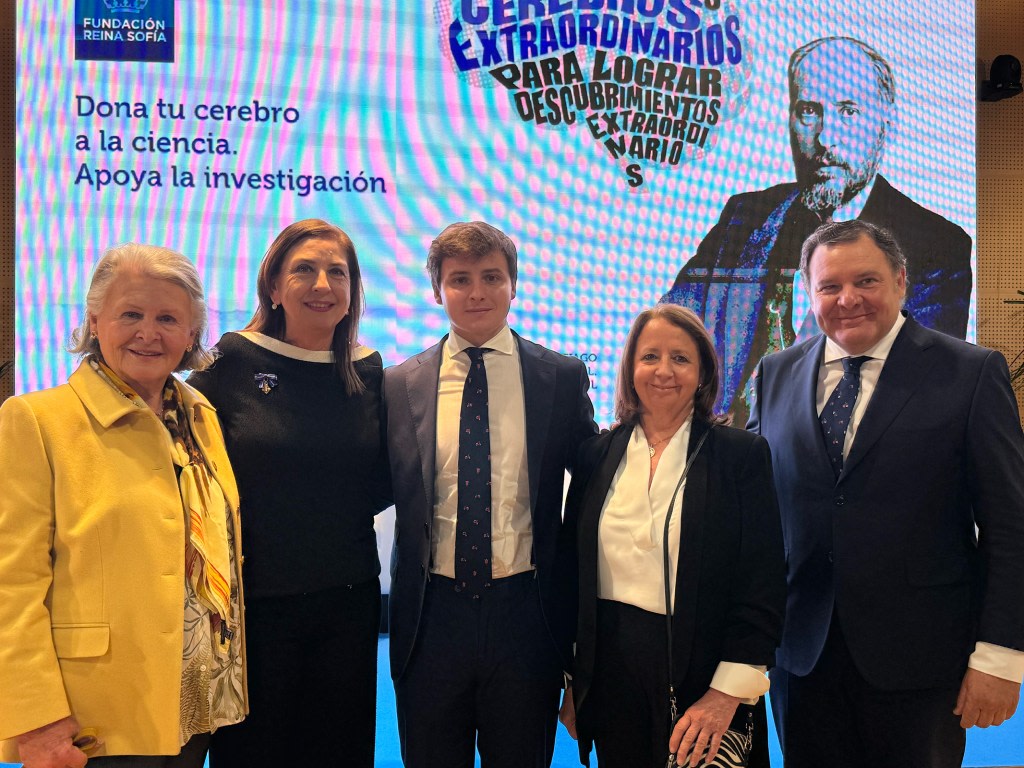
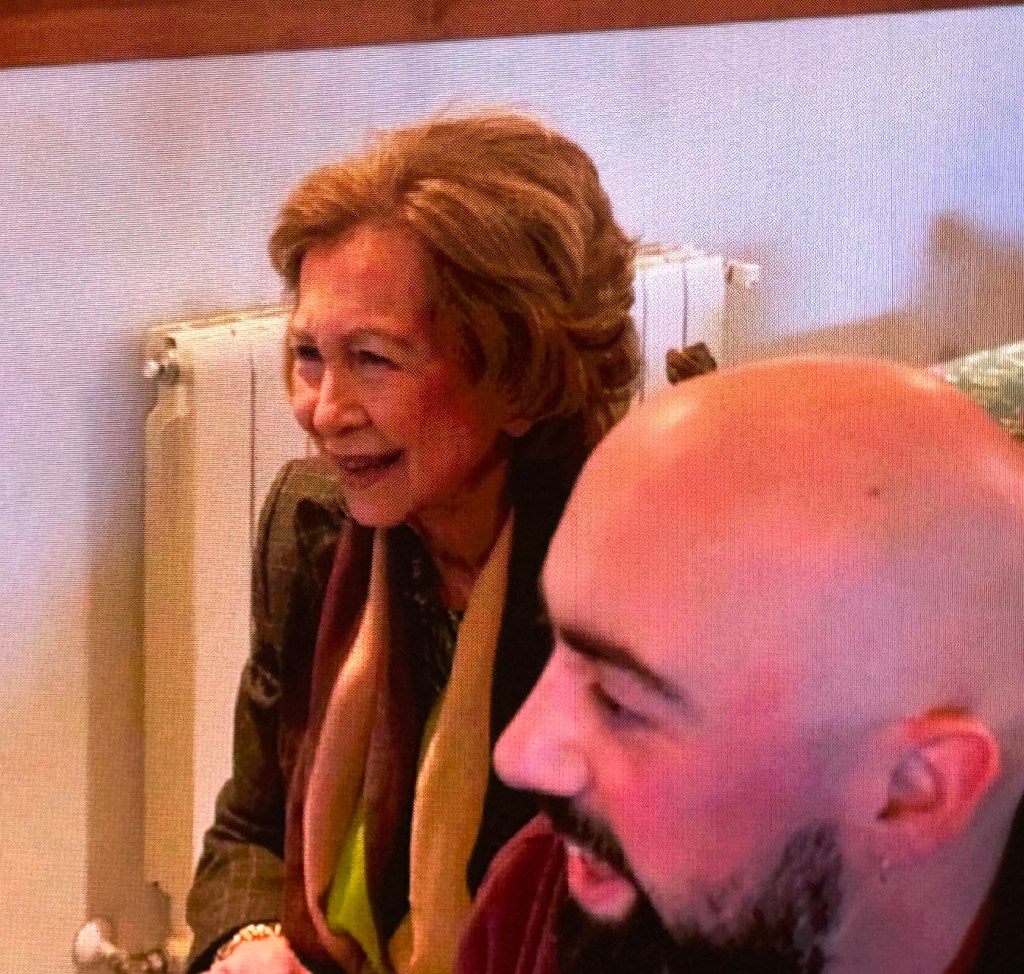
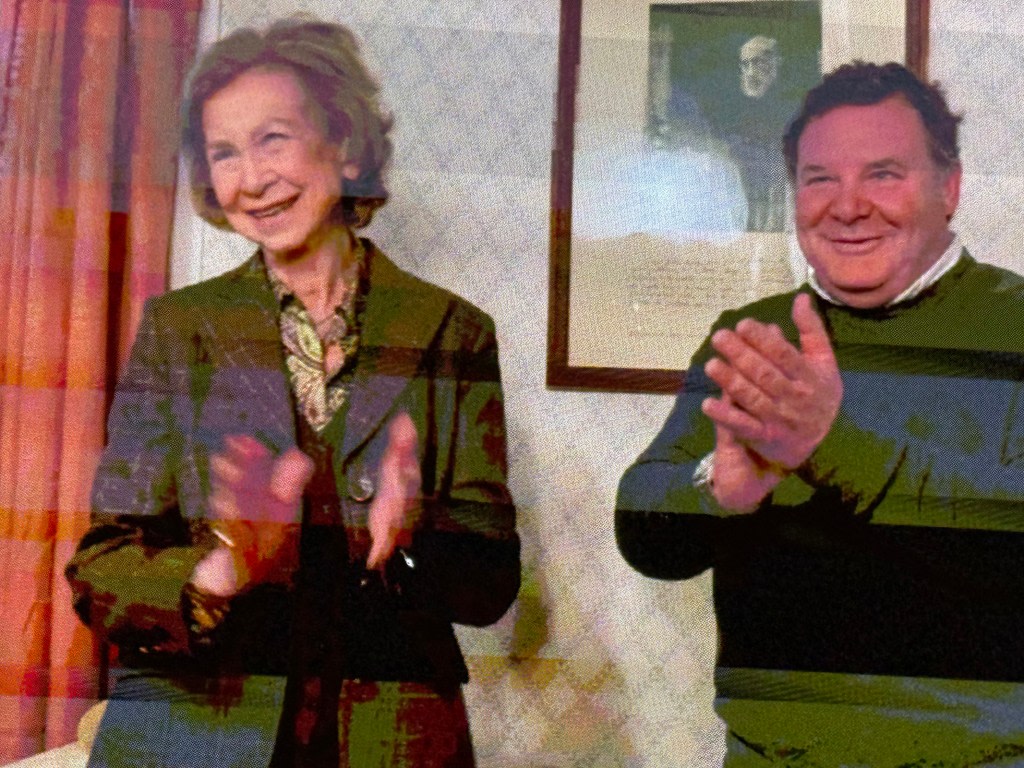
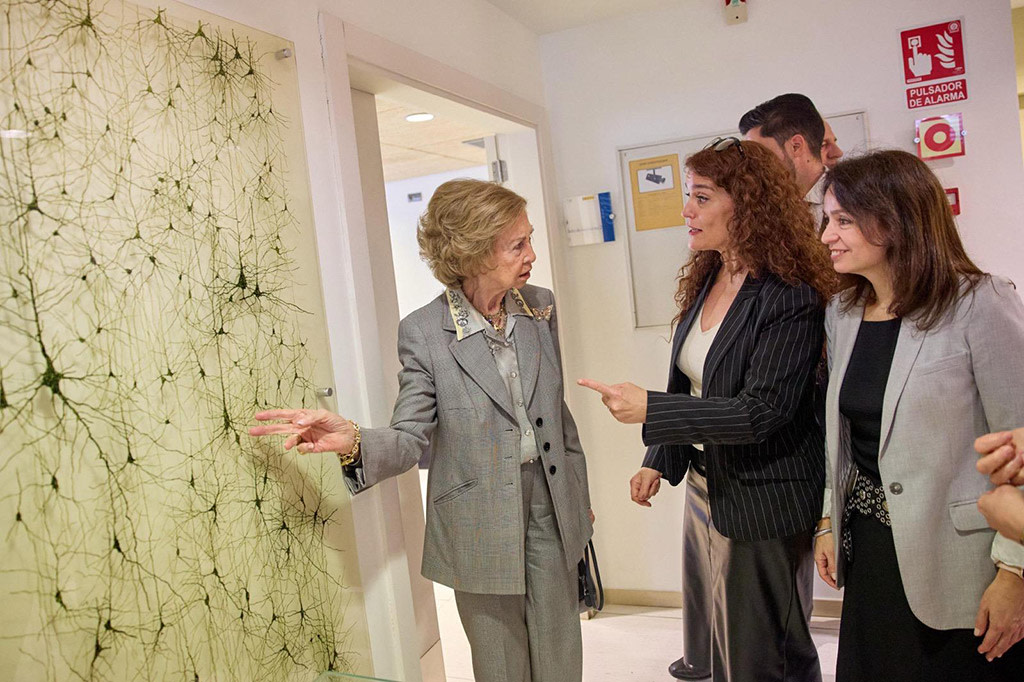
Her Majesty Queen Sofía presided over the official presentation of the campaign organized by the Reina Sofía Foundation, “Extraordinary Brains” (“Cerebros extraordinarios”), which aims to promote research into neurodegenerative diseases and the donation of brains, which are essential for the advancement of such research.
Queen Sofía presided over the presentation of the “Extraordinary Brains” campaign as part of her commitment to research into neurodegenerative diseases. The campaign’s objective is to encourage brain donation for scientific research and to emphasize that any person, without being a genius, can contribute to the progress of science. This campaign underscores the importance of brain tissue donation in order to continue advancing the detection and prevention of diseases such as Alzheimer’s, Parkinson’s, and Amyotrophic Lateral Sclerosis (ALS).
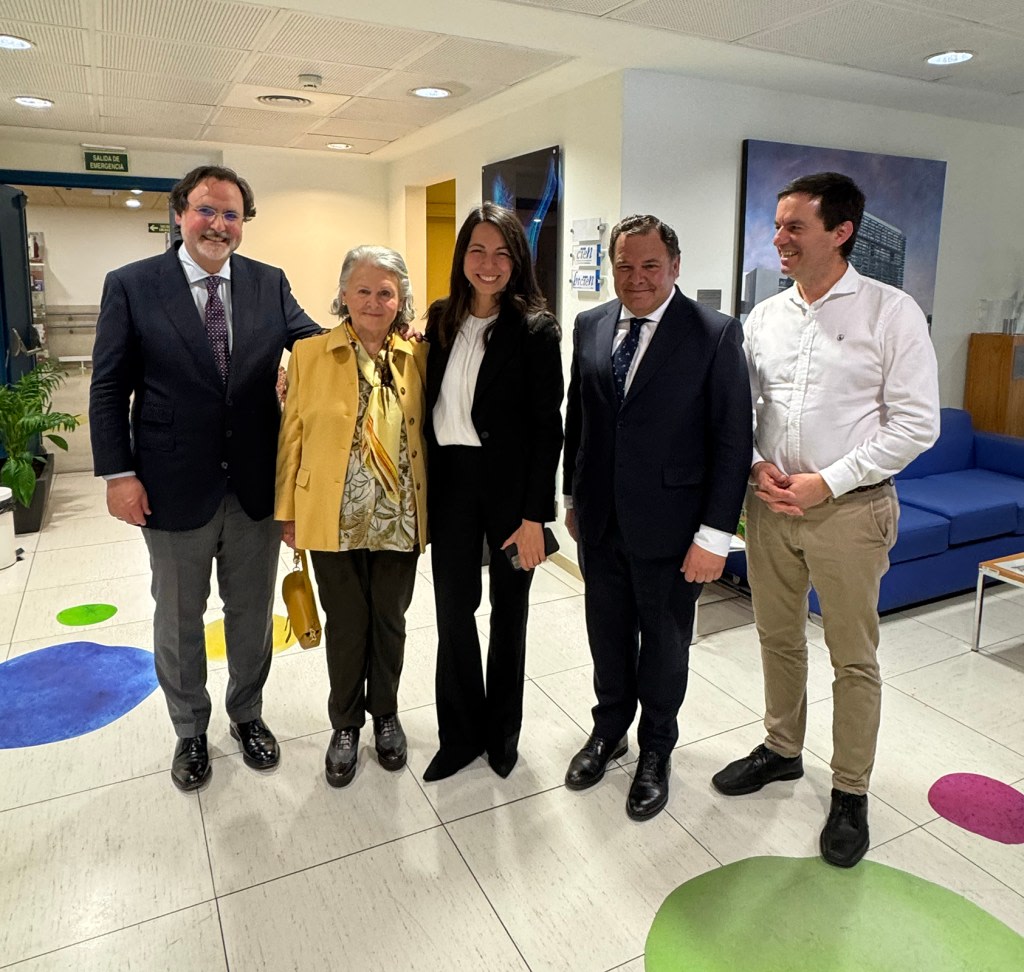
Upon her arrival, she was received by the Secretary General of Research, Eva Ortega Paíno; the Deputy Minister of Universities, Research and Science of the Community of Madrid, Ana Ramírez de Molina; the Deputy Minister of Family, Youth and Social Affairs of the Community of Madrid, Pablo Gómez-Tavira; the Director General of the Instituto de Salud Carlos III, Marina Pollán; the Director General of Elder Care and Dependency of the Community of Madrid, Óscar Álvarez; the District Council President of the Villa de Vallecas District of the Madrid City Council, Carlos González Pereira; the Managing Director of the Foundation for Neurological Disease Research (CIEN), María Ángeles Pérez Muñoz; the Scientific Director of the CIEN Foundation, Pascual Sánchez-Juan; and the Director of the Centro Alzheimer Fundación Reina Sofía (CAFRS), Diego Fernández.
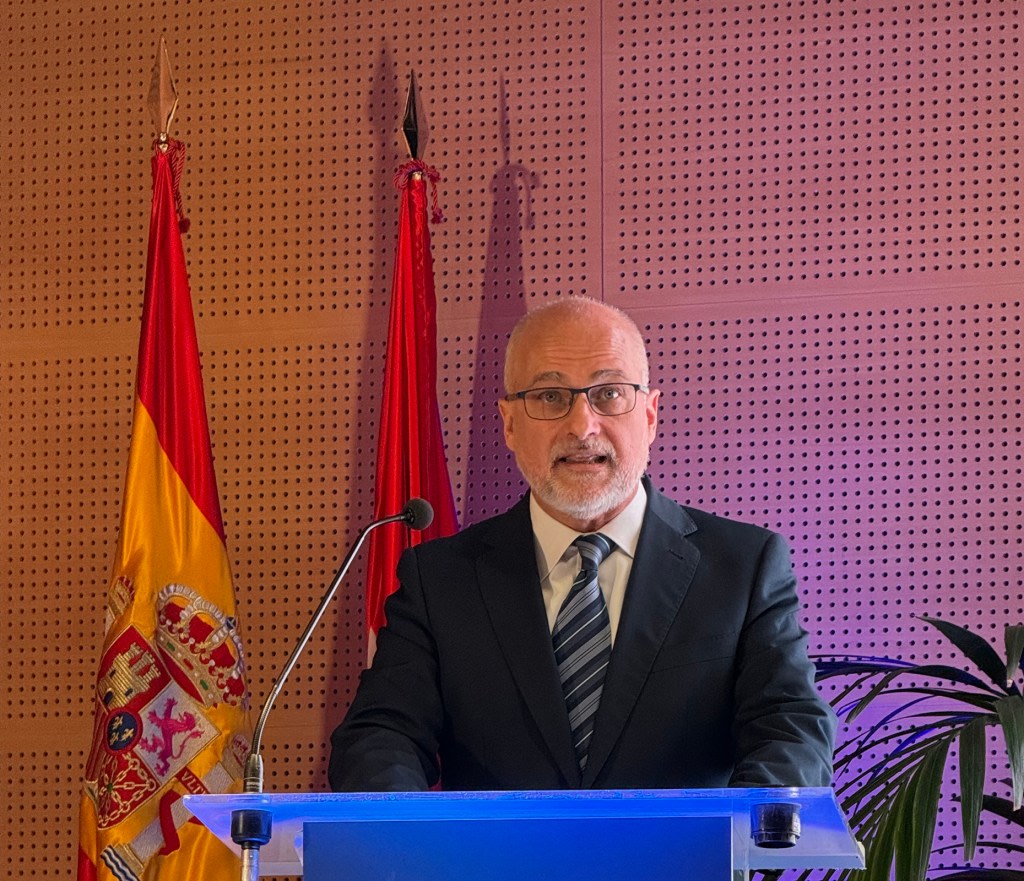
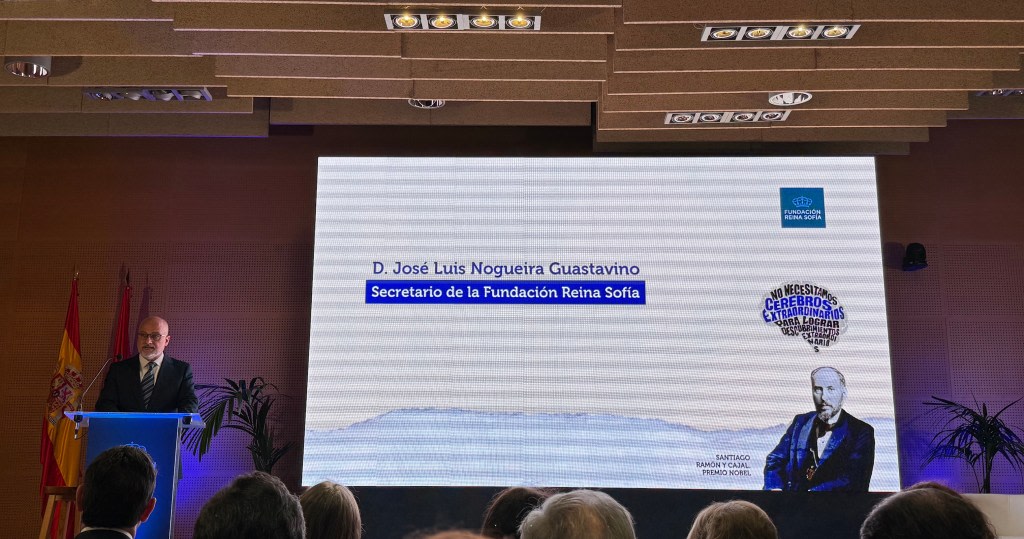
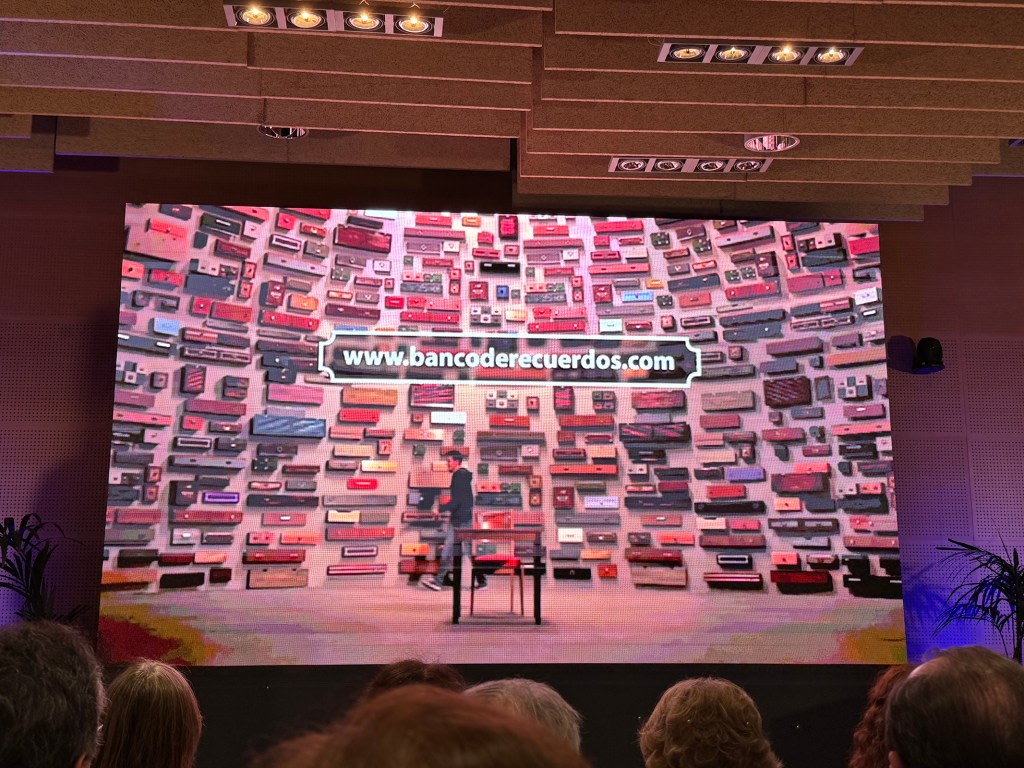
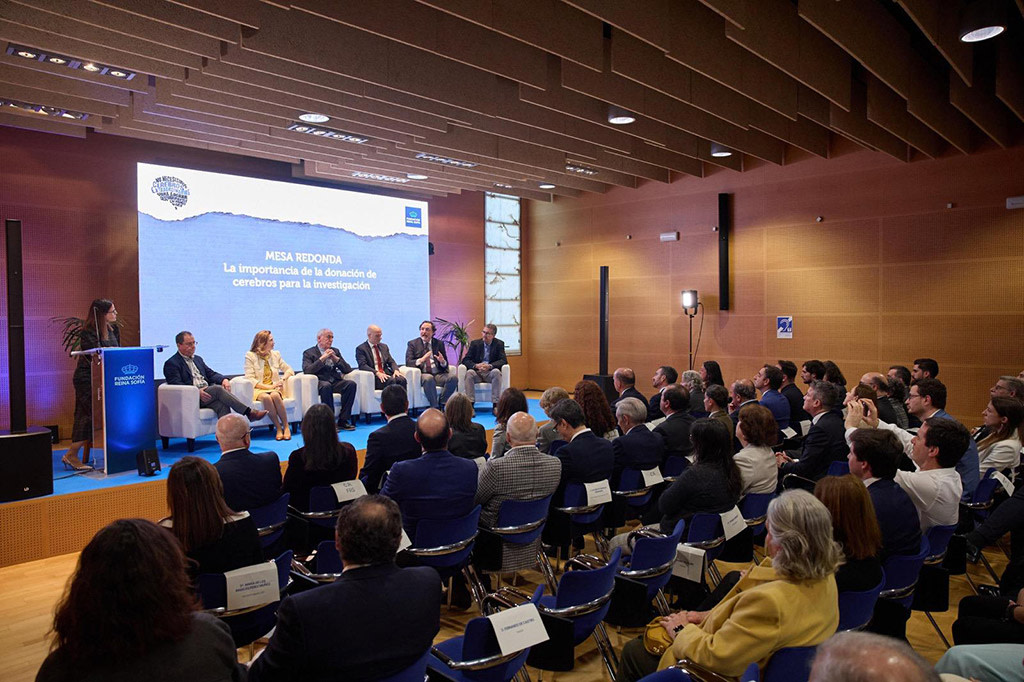
After the greetings, Her Majesty Queen Sofía proceeded to the auditorium where the ceremony began, with the Managing Director of the CIEN Foundation serving as master of ceremonies. This was followed by speeches from the Secretary-Spokesperson of the Reina Sofía Foundation, José Luis Nogueira, and from the Managing Director of the CIEN Foundation. Next, a summary video of previous campaigns was shown, followed by the screening of the “Extraordinary Brains” video and its making-of footage.
https://www.youtube.com/watch?si=gDP2a6G3sPhy9sA6&v=-yI3Al099CM&feature=youtu.be
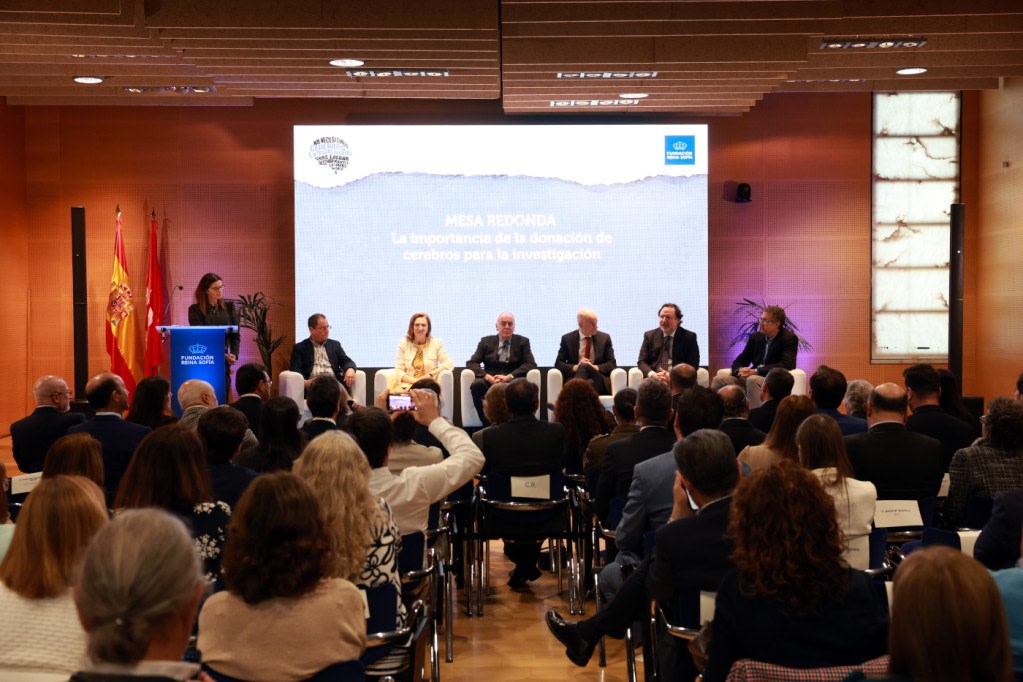
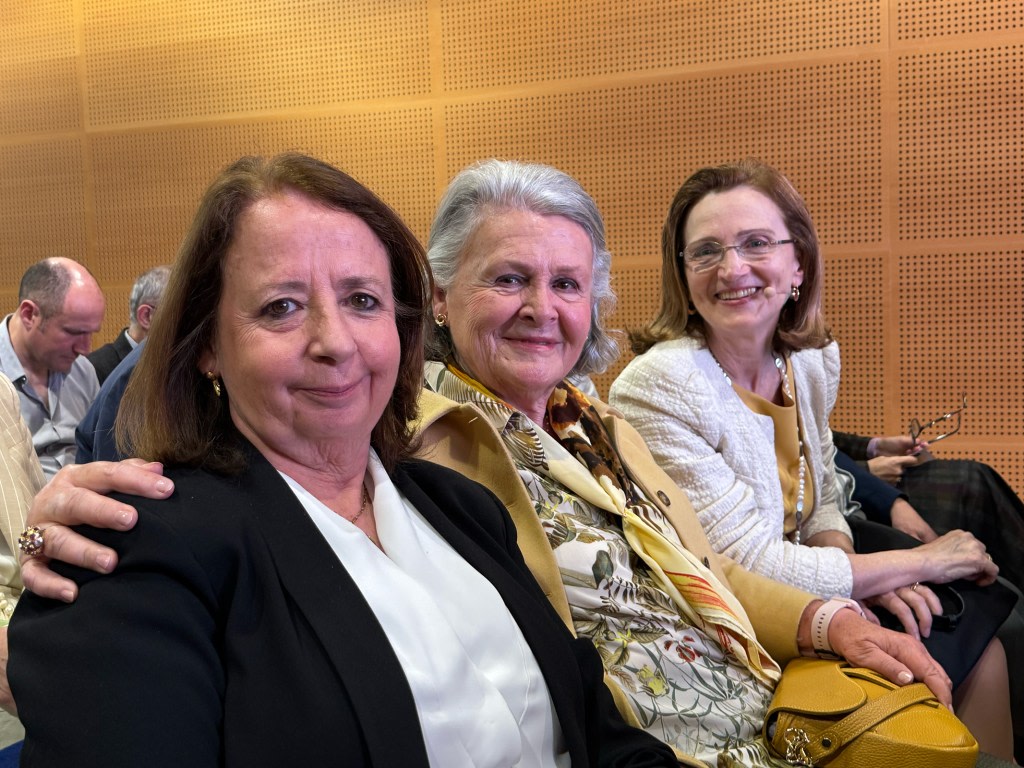
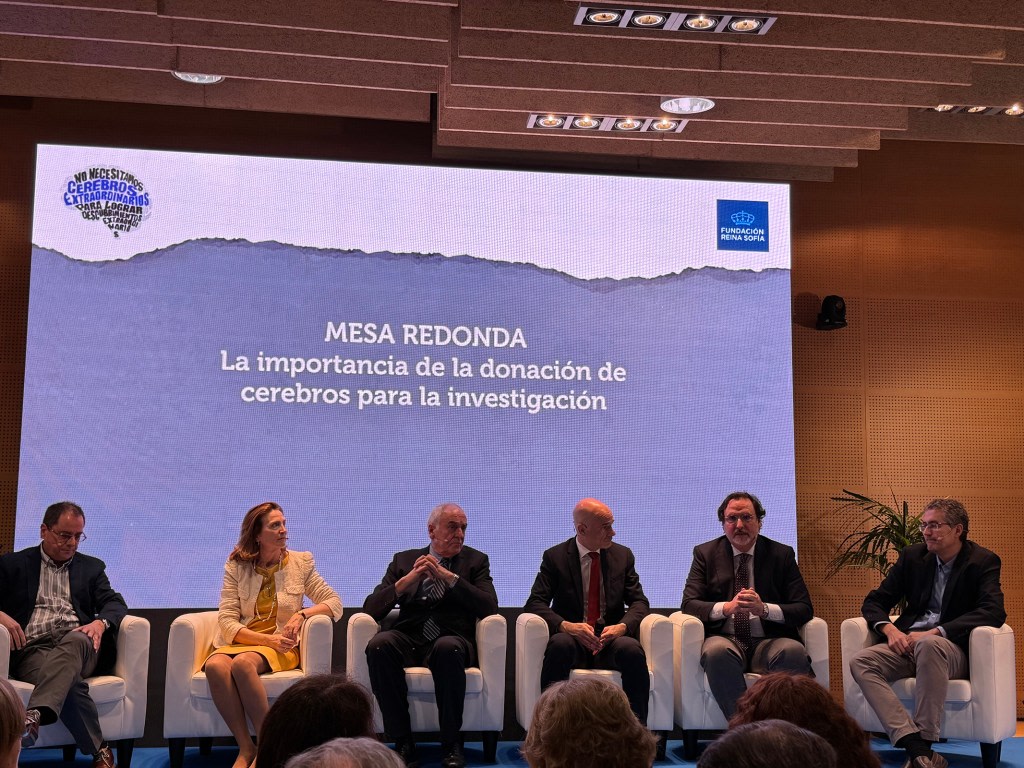
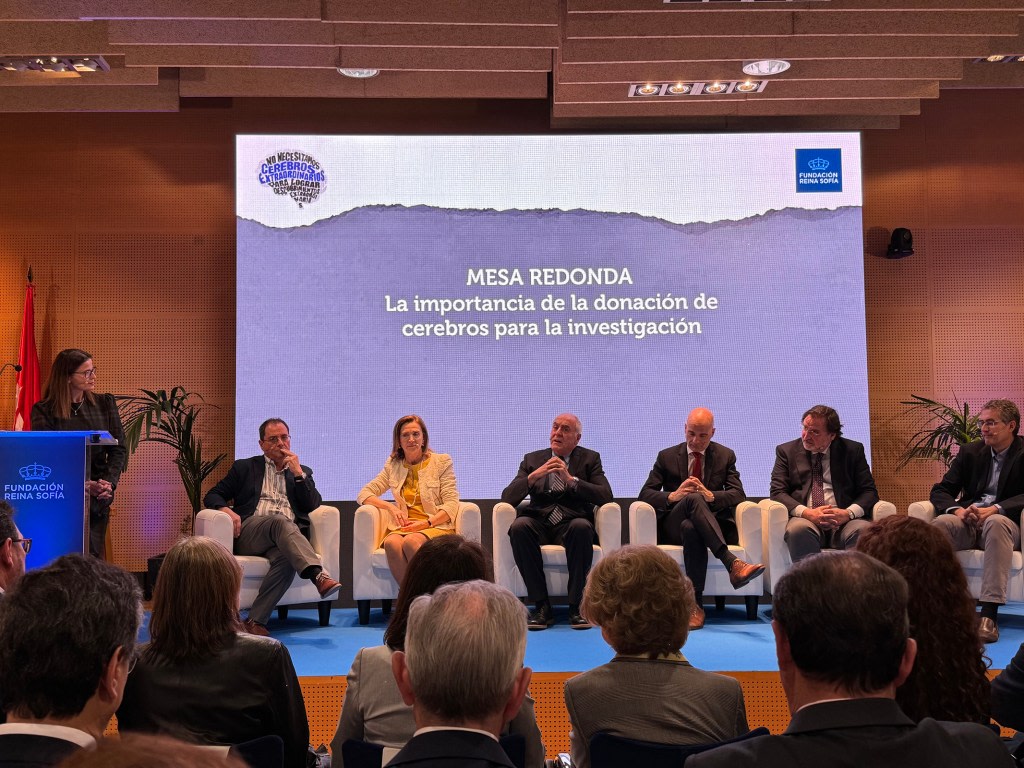
The master of ceremonies then introduced the round table discussion “The Importance of Brain Donation for Research,” moderated by Dr. Marian Zea Sevilla, a researcher at CIEN. The panel brought together prominent experts in the neurological and scientific fields: Dr. Fernando de Castro (Instituto Cajal — CSIC), Dr. Alberto Rábano (Director of the BTCIEN Tissue Bank), Dr. Pascual Sánchez-Juan (Scientific Director of CIEN), Dr. Alberto Villarejo (Hospital 12 de Octubre), and Dr. Rosario Moratalla (Director of the Instituto Cajal — CSIC and CIBERNED).
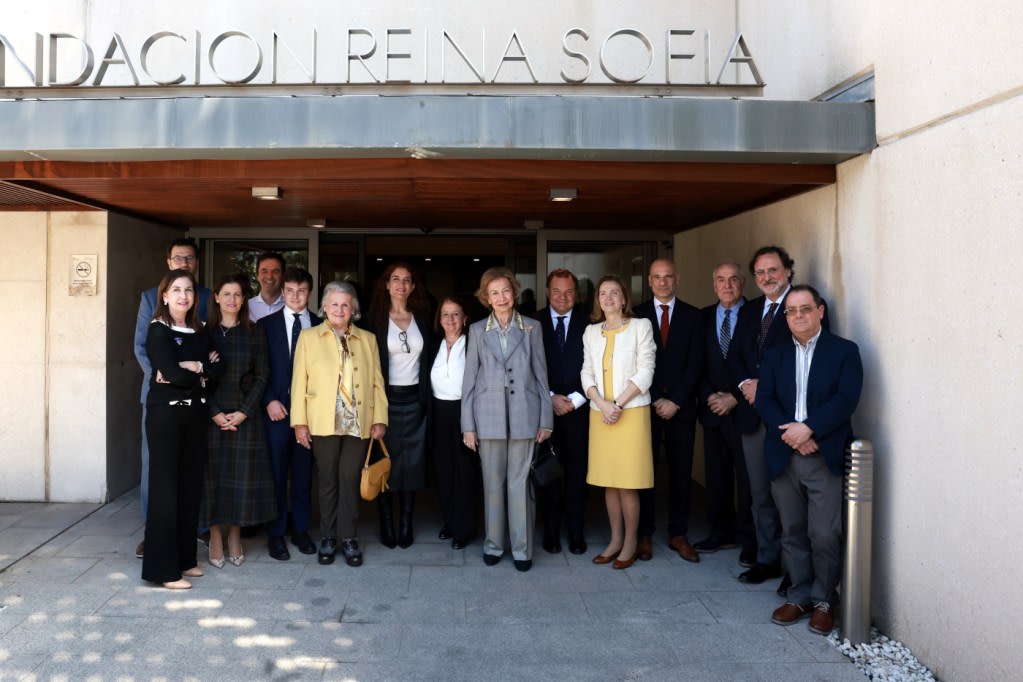
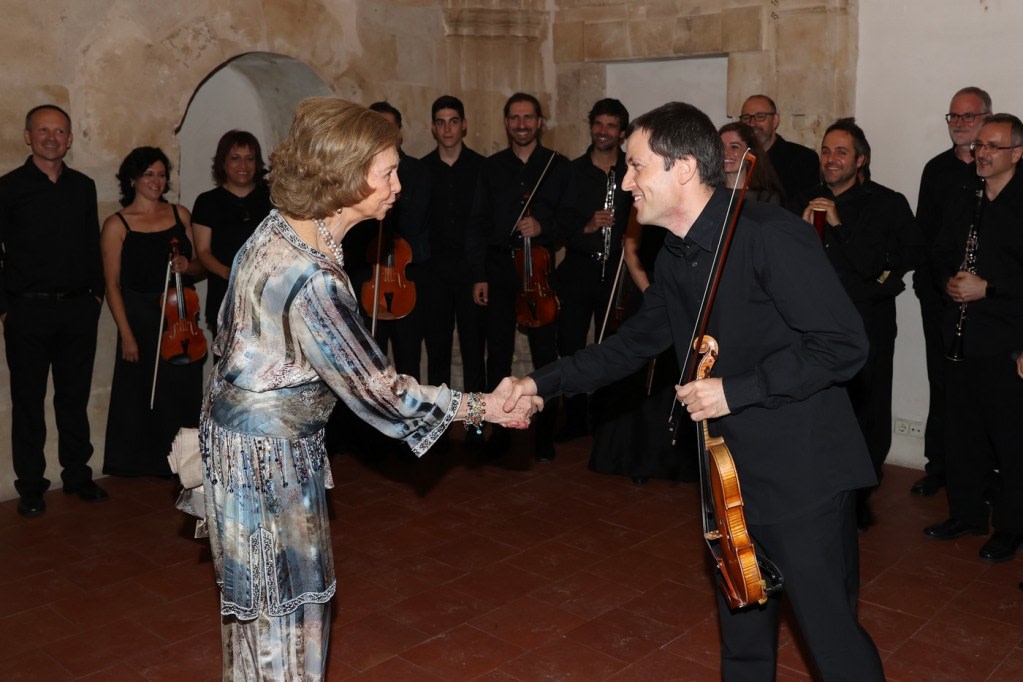
Following the ceremony, Her Majesty Queen Sofía held a brief meeting with the panelists.
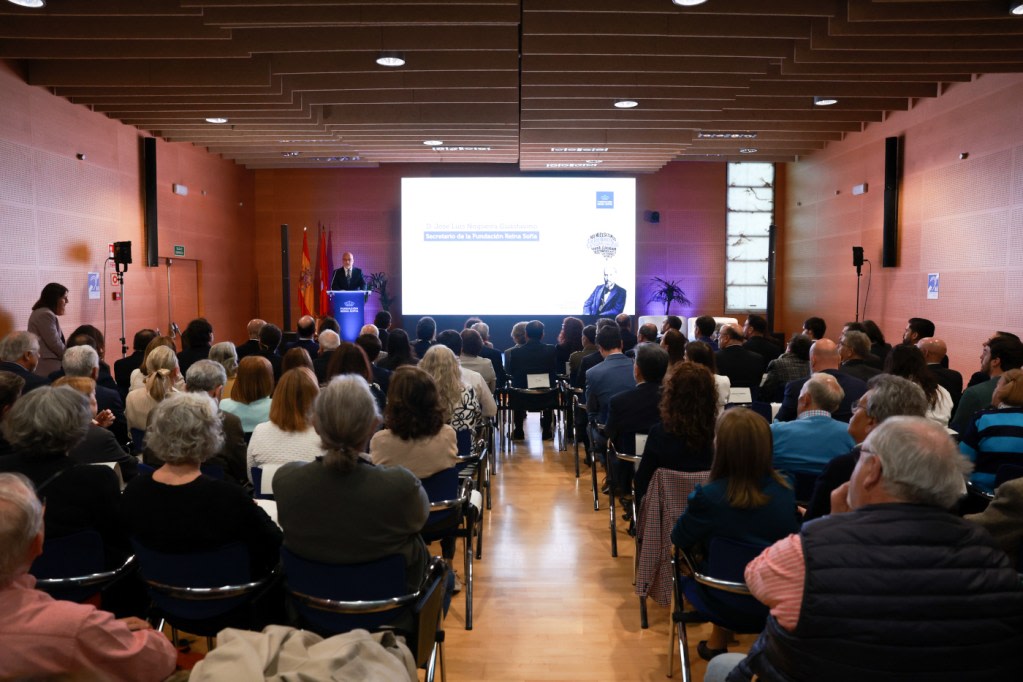
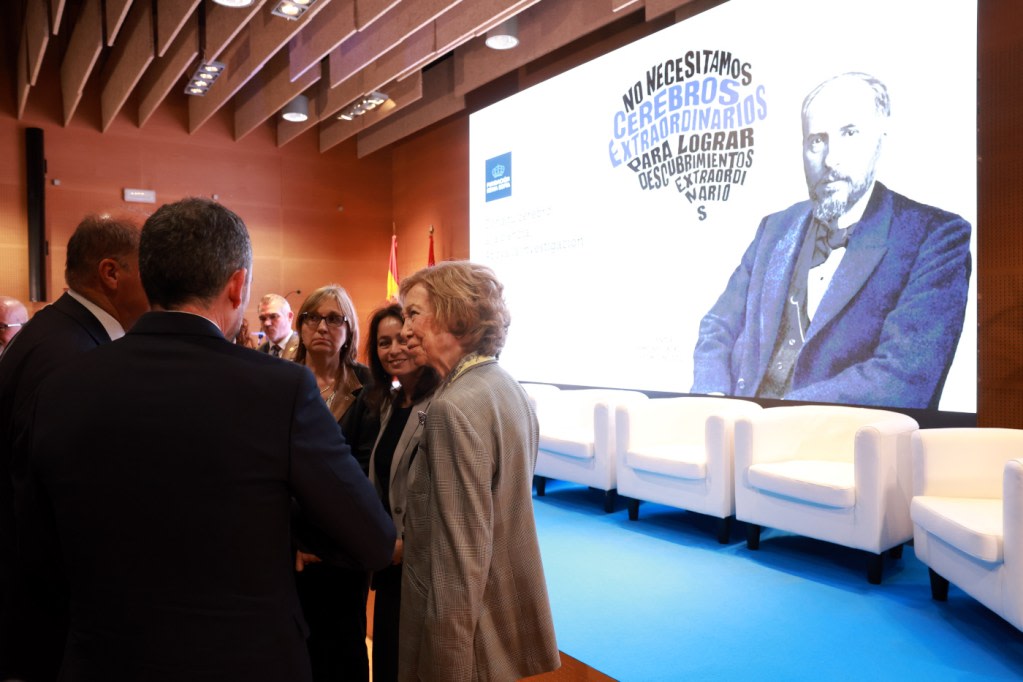
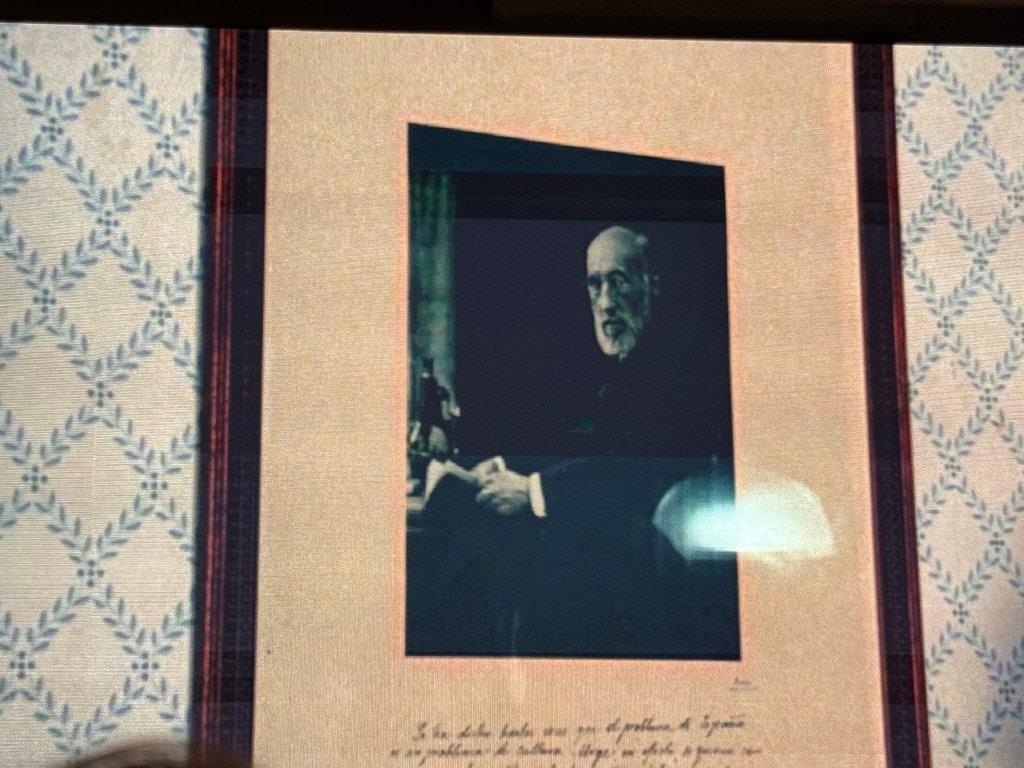
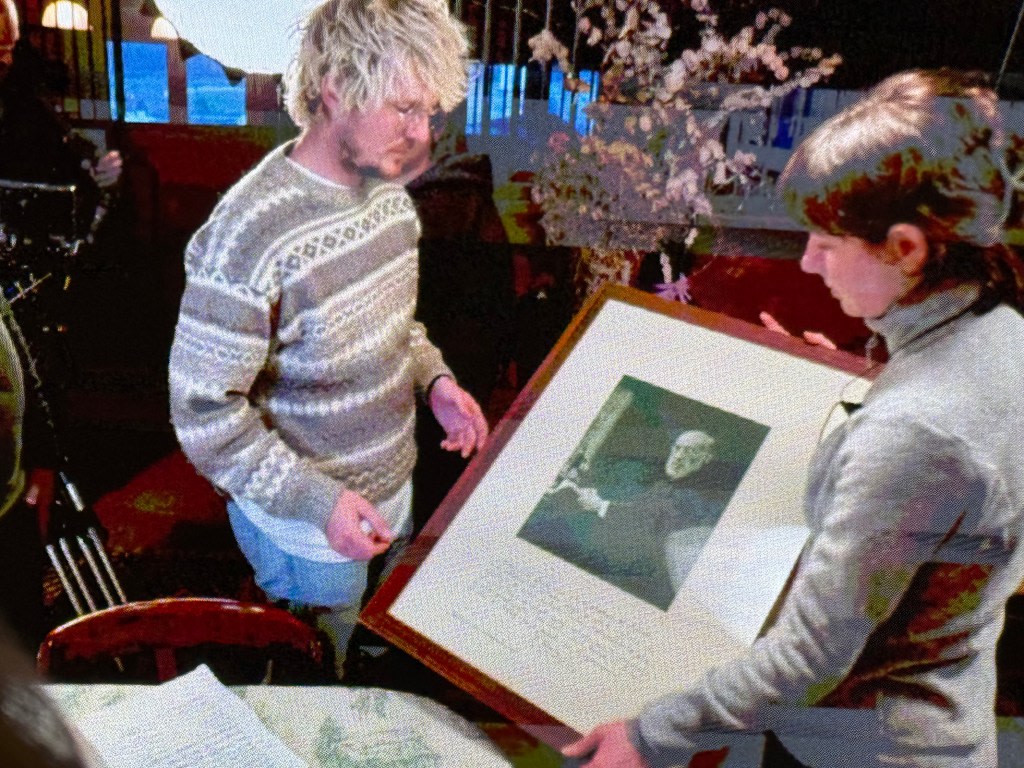
The campaign features José Antonio, the great-great-grandson of Nobel Prize laureate Santiago Ramón y Cajal. Through an approachable perspective, the initiative seeks to raise social awareness and demystify the process of brain donation.
The Reina Sofía Foundation devotes a large part of its activity to research aimed at understanding these diseases and developing more effective treatments that can improve the quality of life of millions of people. Without the study of donated brains, whether from individuals with or without neurodegenerative disease, scientific advances in the fight against these conditions would be far more limited.
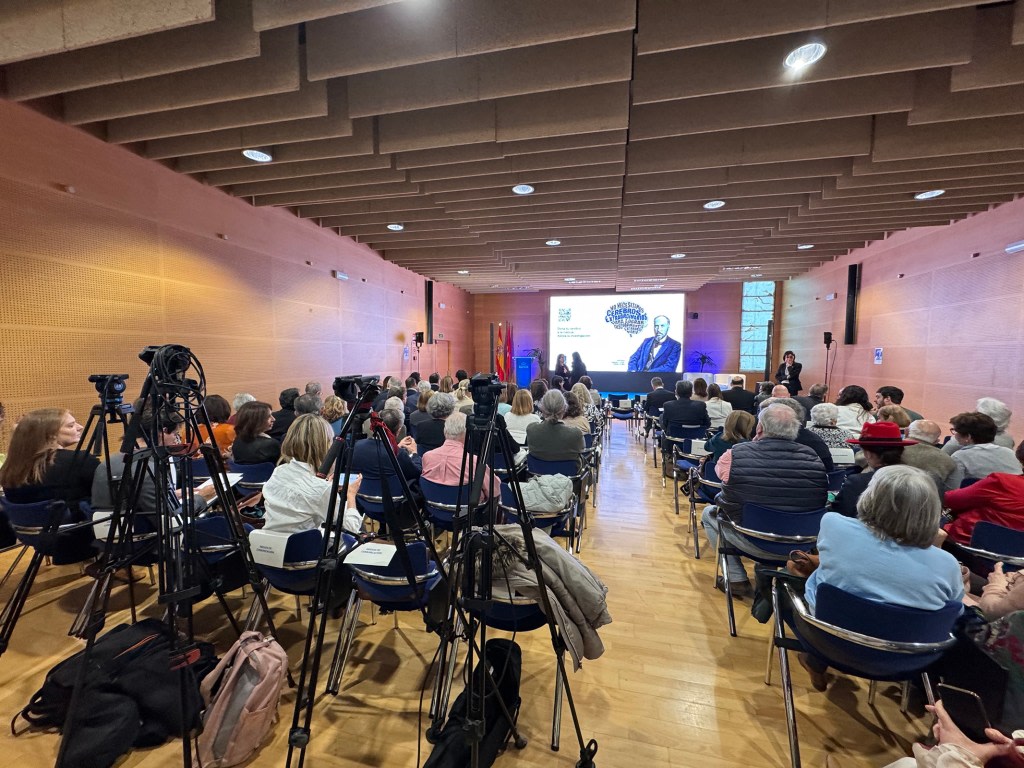
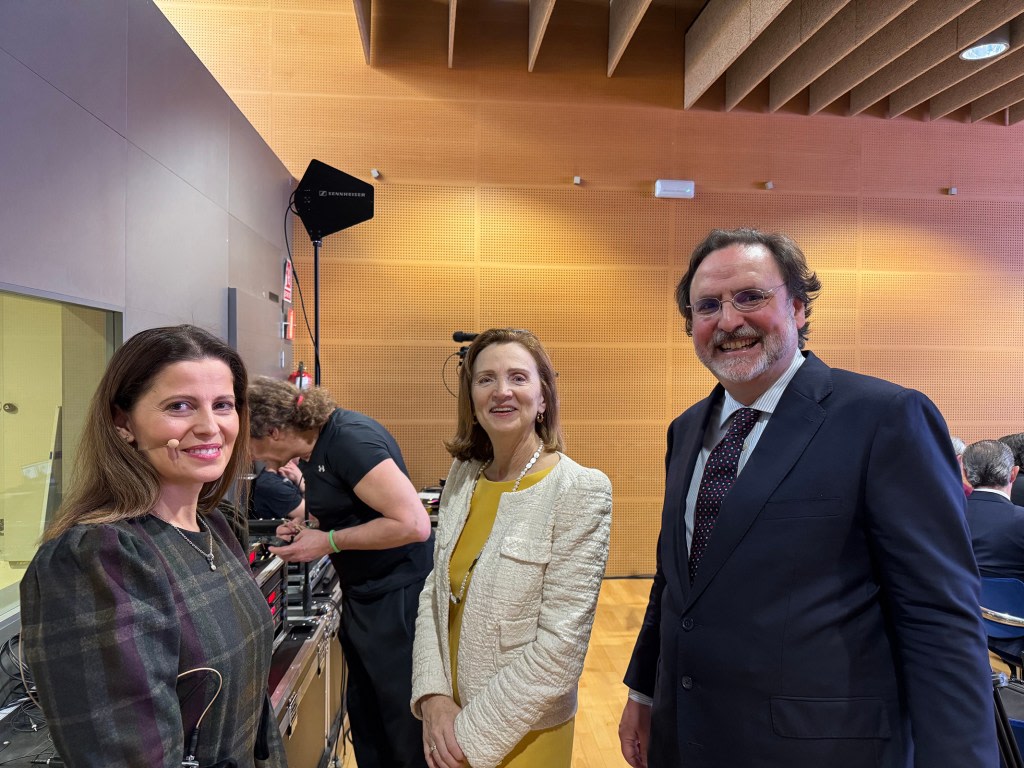
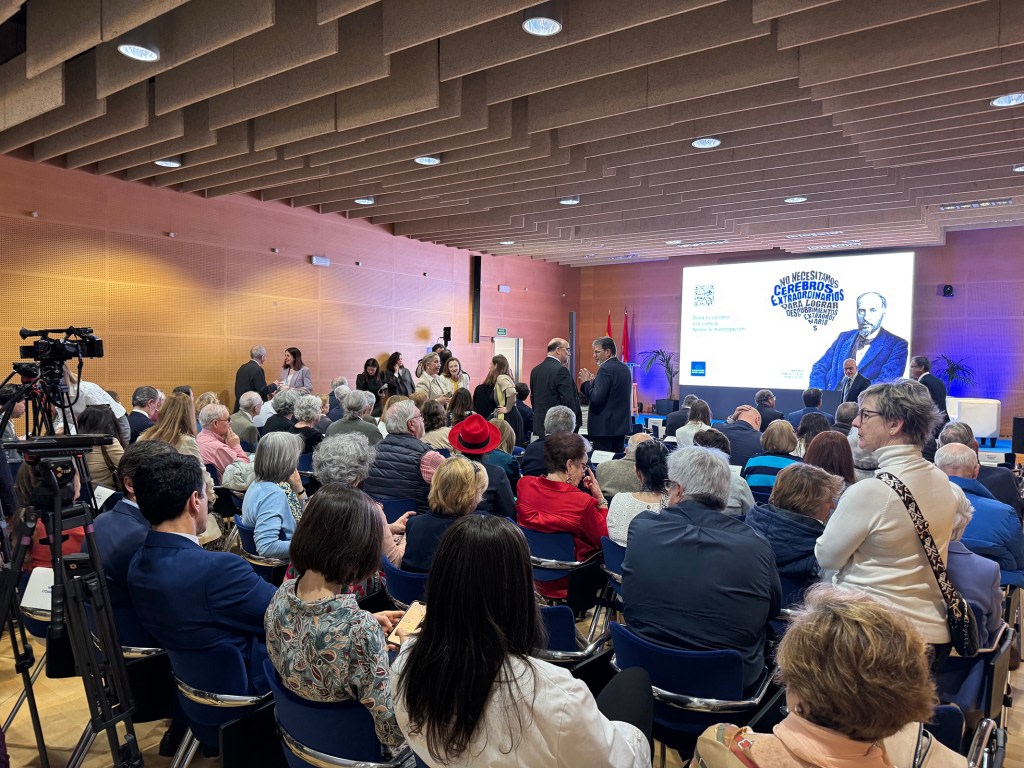
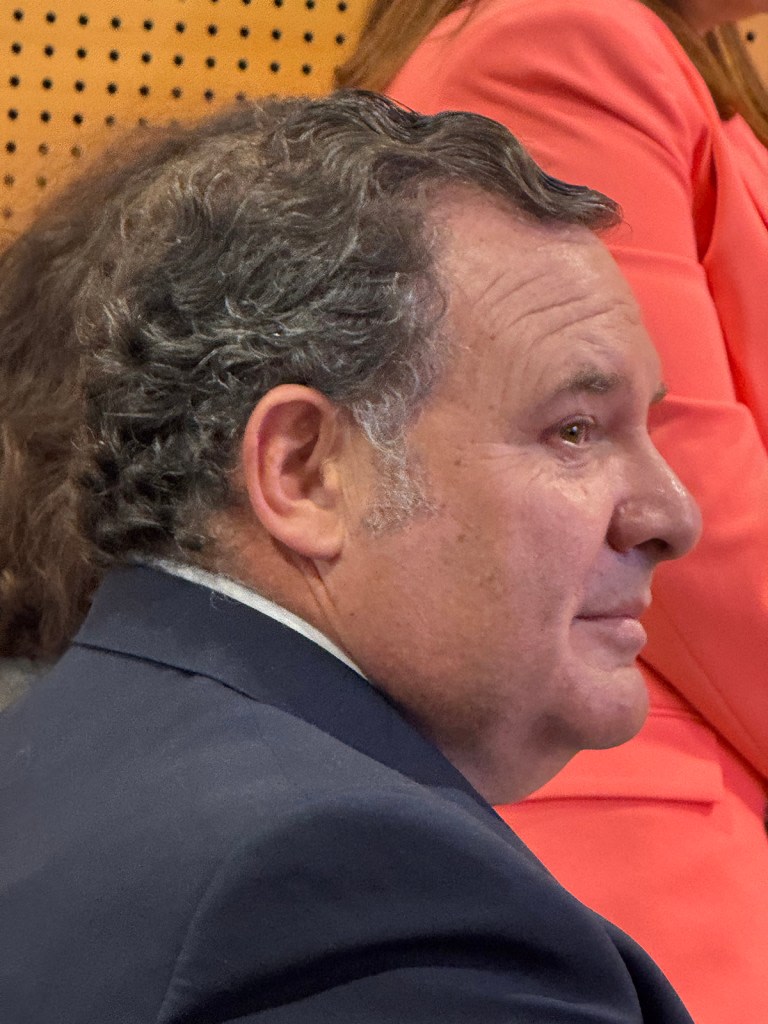
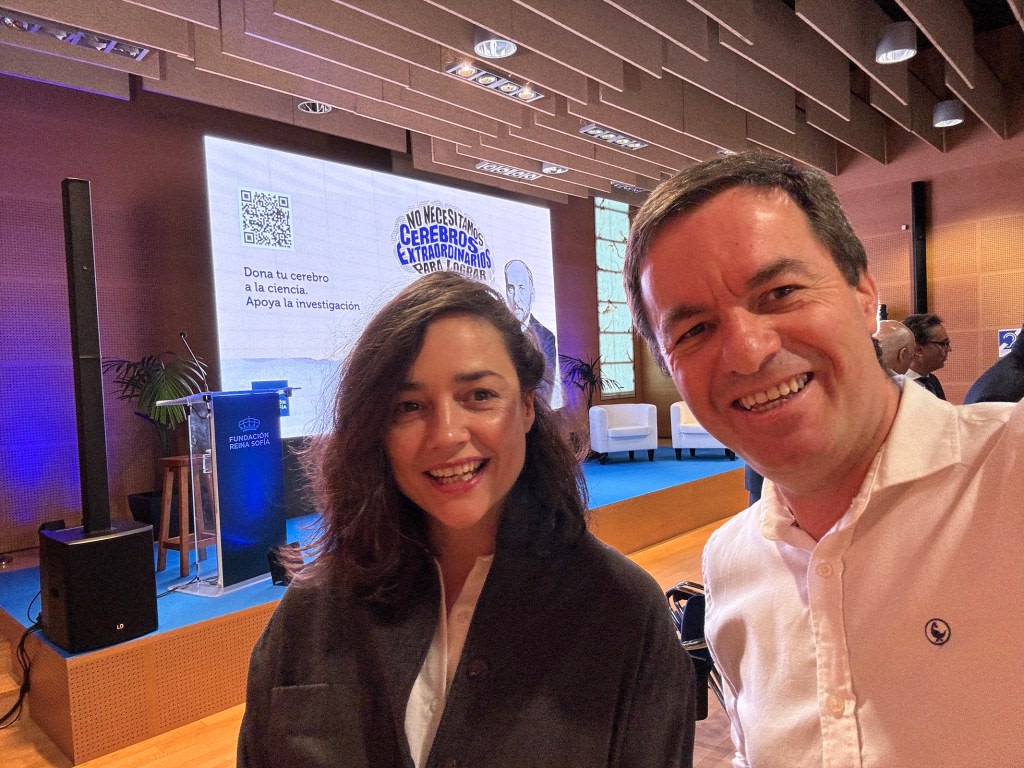
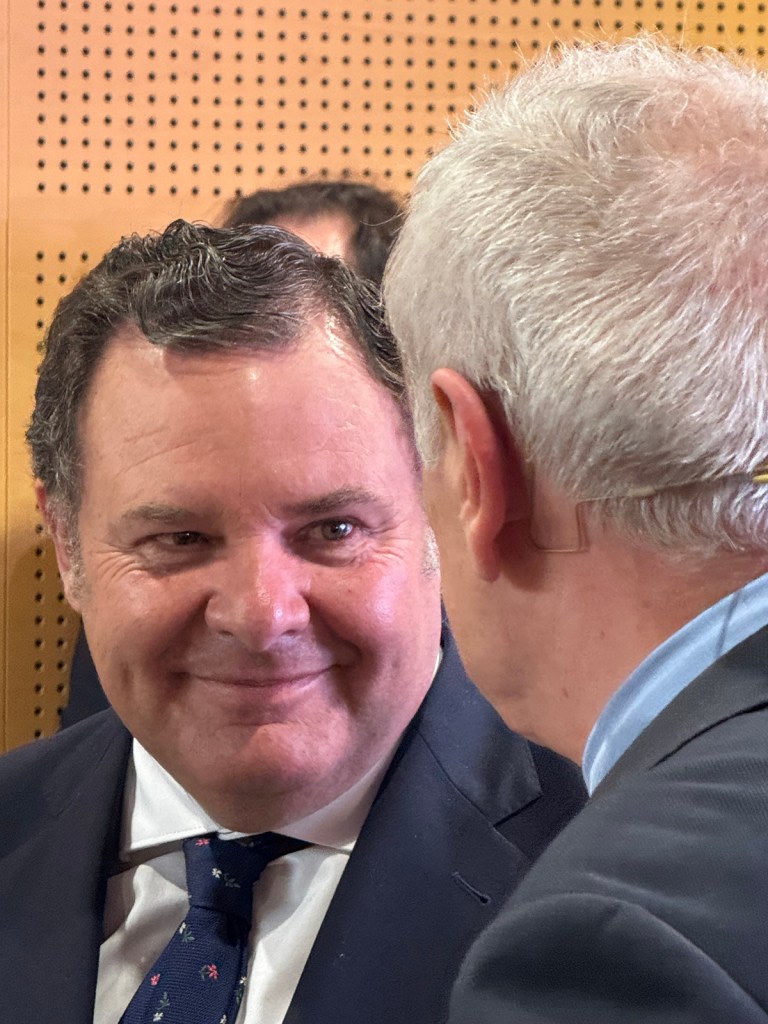
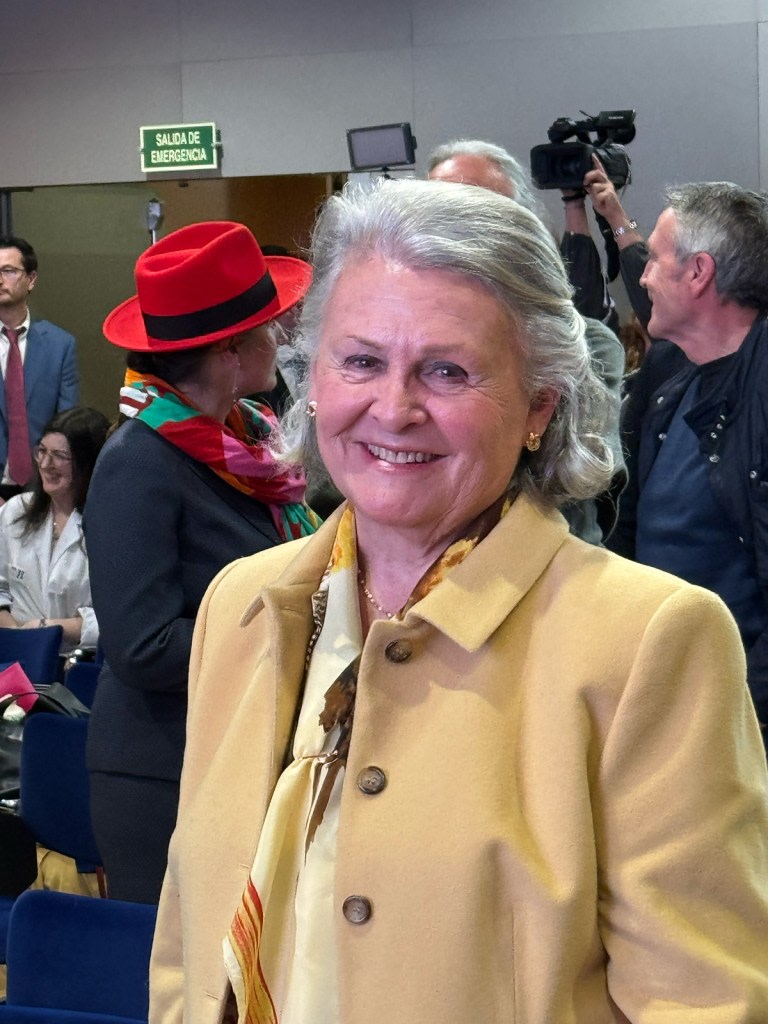
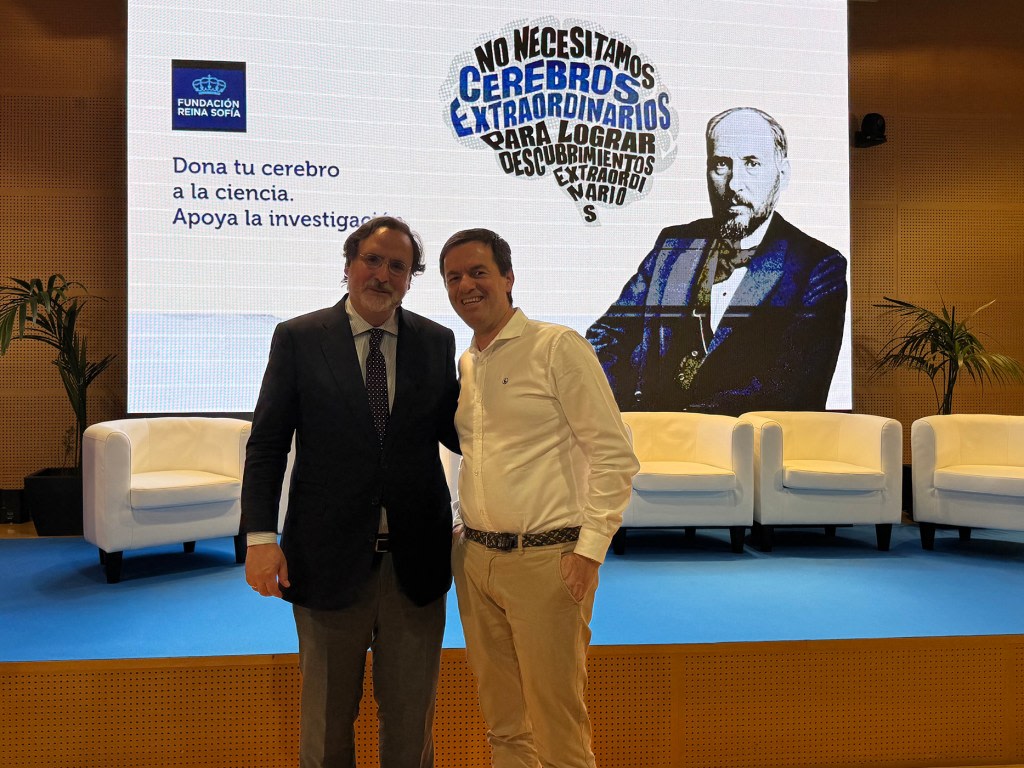
With this initiative, the Reina Sofía Foundation invites society to reflect and to join this cause, which is fundamental for the future of science and health. Because every donated brain is an open door to new discoveries that can change lives.
(c) Casa de S.M. el Rey. More information.
There is only one path to defeating neurodegenerative diseases:
Research
The Reina Sofía Foundation presents the brain donation campaign “Extraordinary Brains”
-
Her Majesty Queen Sofía presided over the presentation of this initiative, held at the Centro Alzheimer Fundación Reina Sofía.
-
The campaign highlights that each brain tissue donation is key to advancing research into neurodegenerative diseases and improving future treatments.
As part of its commitment to research into neurodegenerative diseases, the Reina Sofía Foundation launches the Extraordinary Brains campaign, an initiative developed by the agency Sra. Rushmore. Its objective is to encourage brain donation for scientific research and to emphasize that any person, without being a genius, can contribute to the progress of science. This campaign underscores the importance of brain tissue donation in order to continue advancing the detection and prevention of diseases such as Alzheimer’s, Parkinson’s, and Amyotrophic Lateral Sclerosis (ALS).
During the presentation of the advertisement, a round table discussion was also held, entitled “The Importance of Brain Donation for Research.” Moderated by Dr. María Ascensión Zea Sevilla, a researcher at CIEN, the panel brought together prominent experts in the neurological and scientific fields: Dr. Fernando de Castro (Instituto Cajal — CSIC), Dr. Alberto Rábano (Director of the BTCIEN Tissue Bank), Dr. Pascual Sánchez-Juan (Scientific Director of CIEN), Dr. Alberto Villarejo (Hospital 12 de Octubre), Dr. Javier de Felipe (Research Professor at the Instituto Cajal-CSIC), and Dr. Rosario Moratalla (Director of the Instituto Cajal — CSIC and CIBERNED).
The participants agreed on the urgent need to increase brain tissue donations in Spain, which currently do not exceed 200 per year.
EXTRAORDINARY BRAINS
The campaign features José Antonio, the great-great-grandson of Nobel Prize laureate Santiago Ramón y Cajal. Through an approachable perspective, the initiative seeks to raise social awareness and demystify the process of brain donation.
The Extraordinary Brains campaign has the support of major media outlets and other entities that will help disseminate its message through their channels and news platforms.
The Reina Sofía Foundation devotes a large part of its activity to supporting research into neurodegenerative diseases and developing more effective treatments that improve the quality of life of millions of people.
The Reina Sofía Foundation’s commitment to research into neurodegenerative diseases is embodied in initiatives such as the Centro Alzheimer Fundación Reina Sofía (CAFRS), a pioneering complex that addresses the disease through research, training, and care. At this facility, the Reina Sofía Foundation collaborates closely with CIEN (Centro de Investigación de Enfermedades Neurológicas), which operates under the ISCIII (Ministry of Science, Innovation and Universities). CIEN manages the Research Unit of CAFRS, which houses one of the most important brain banks in Europe. This bank enables key research for the advancement of treatments for diseases such as Alzheimer’s, Parkinson’s, and ALS, using brain tissues of unique scientific quality collected from donors who generously contribute to science.
Spain is a world leader in organ donation, but brain tissue donation remains a pending challenge. “While some organs can save lives immediately, brain donation allows us to save the lives of the future through research” (“Mientras algunos órganos pueden salvar vidas de inmediato, la donación de cerebros permite salvar las vidas del futuro gracias a la investigación”), the Reina Sofía Foundation emphasizes.
The Managing Director of CIEN, María Ángeles Pérez, highlights the uniqueness of CAFRS, whose creation was made possible through the collaboration of the three levels of government and the fundamental support of the Reina Sofía Foundation. She also underscores the value of the VARS project for early Alzheimer’s detection, which follows patients through comprehensive clinical monitoring using advanced technologies such as the Siemens CIMAX magnetic resonance imaging system, the only one of its kind in Europe for this type of research, donated by the Reina Sofía Foundation. Many of the participants in this project are also donors to the Brain Bank, which allows the generation of invaluable knowledge for science.
María Ángeles Pérez also expressed her gratitude to Her Majesty Queen Sofía, whose constant support has been crucial for the development of this center and for research into neurodegenerative diseases. “Thank you, Your Majesty, for having made this great center possible, for your invaluable contribution to the advancement of science, and for your dedication to the future of so many people affected by these diseases” (“Gracias, Majestad, por haber hecho posible este gran centro, por su inestimable contribución al avance de la ciencia y por su dedicación al futuro de tantas personas afectadas por estas enfermedades”), the Managing Director of CIEN stated.
(c) Fundación CIEN. More information.
We take this opportunity to recall a previous congress of great relevance:
Global Summit NEURO 2020/22 in Salamanca
The Global Summit NEURO 2020/22 in Salamanca brings us closer to Alzheimer’s treatments thanks to the latest advances in biomarkers.
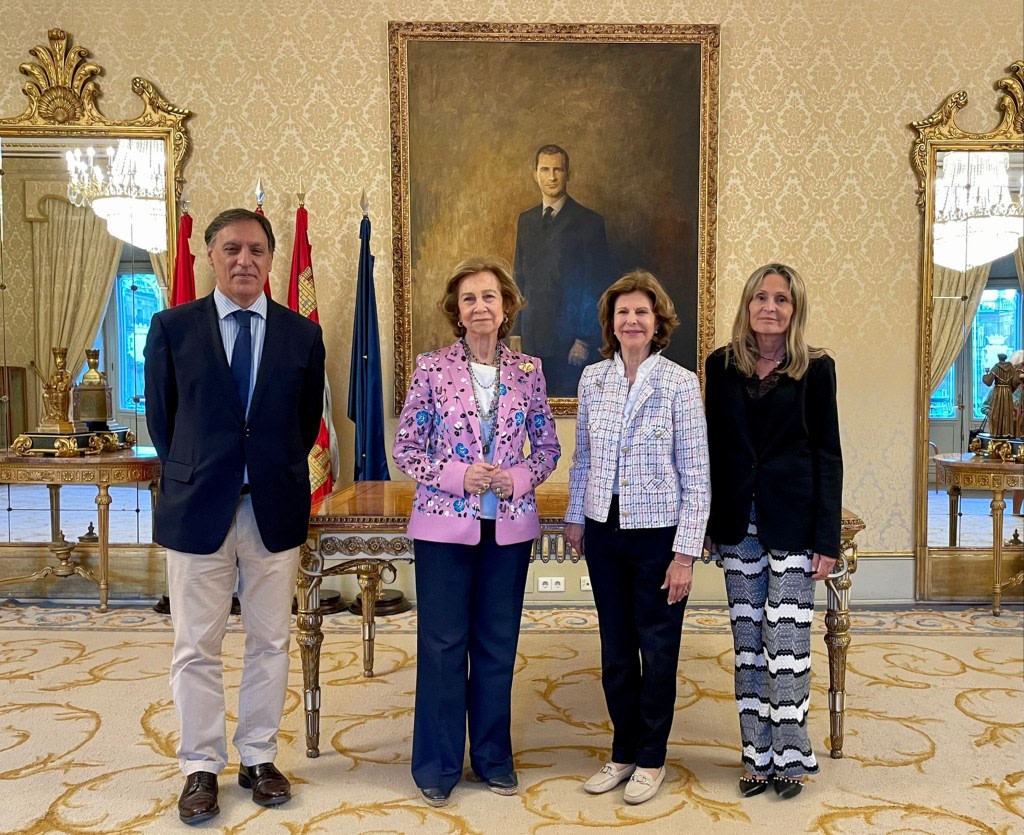
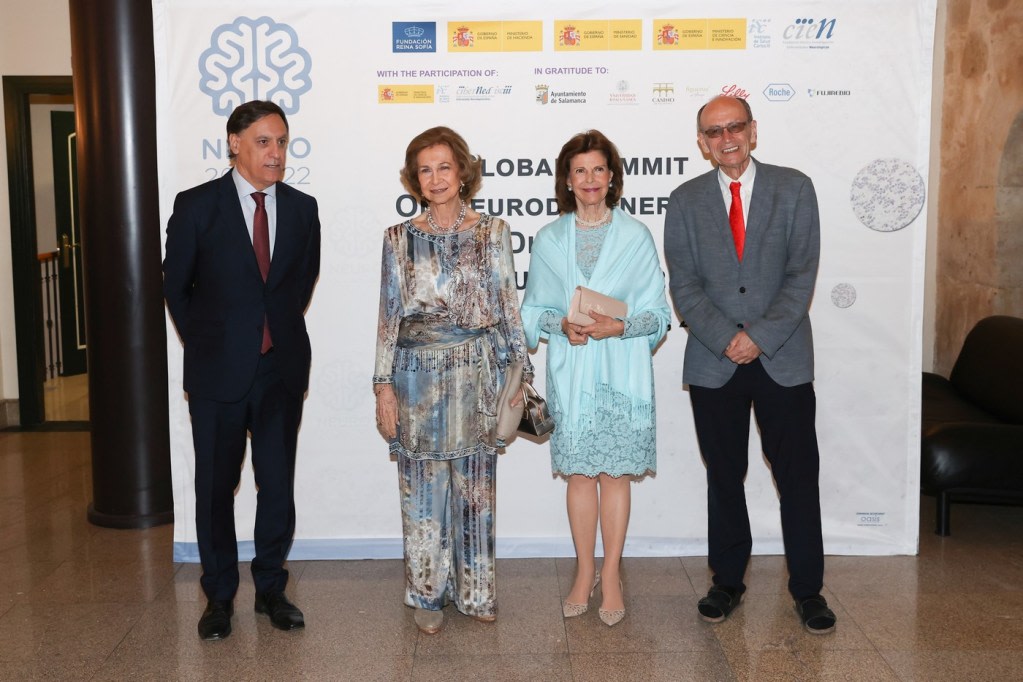
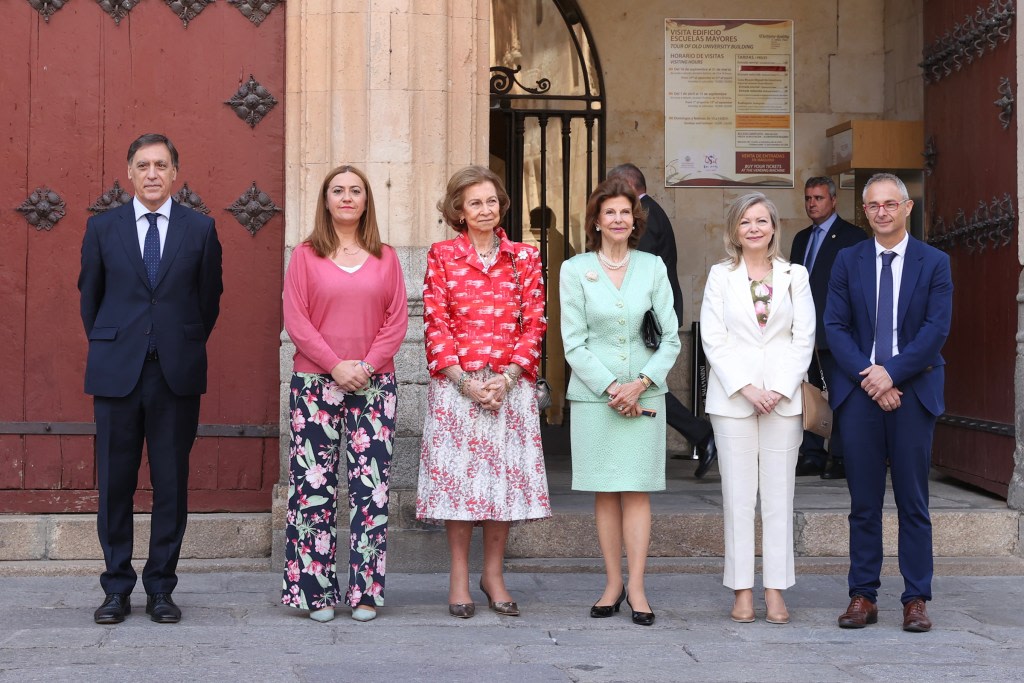
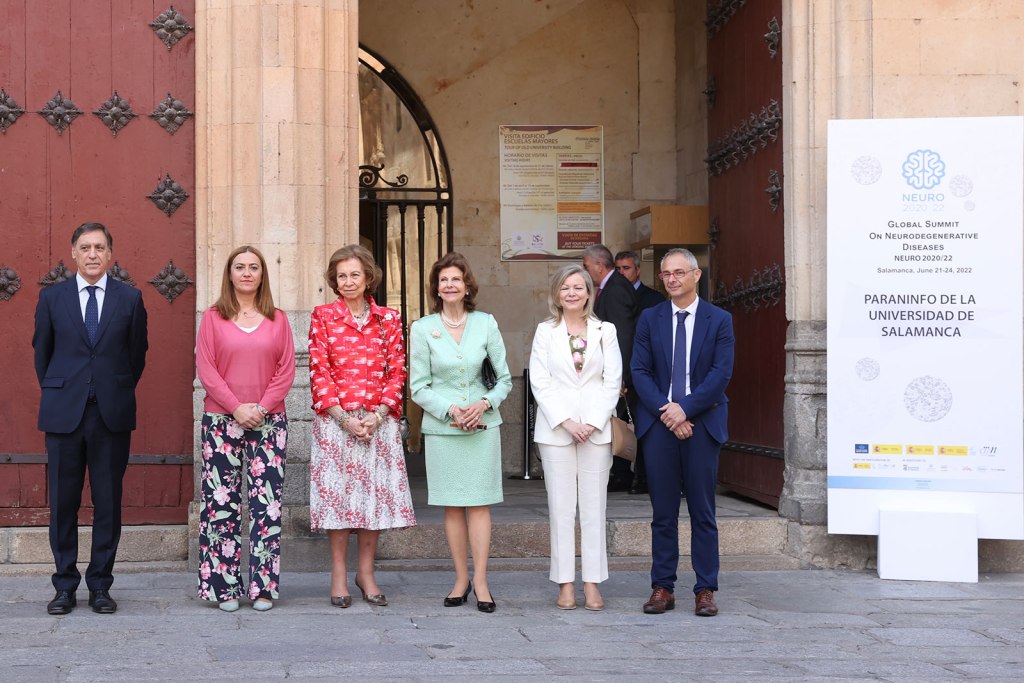
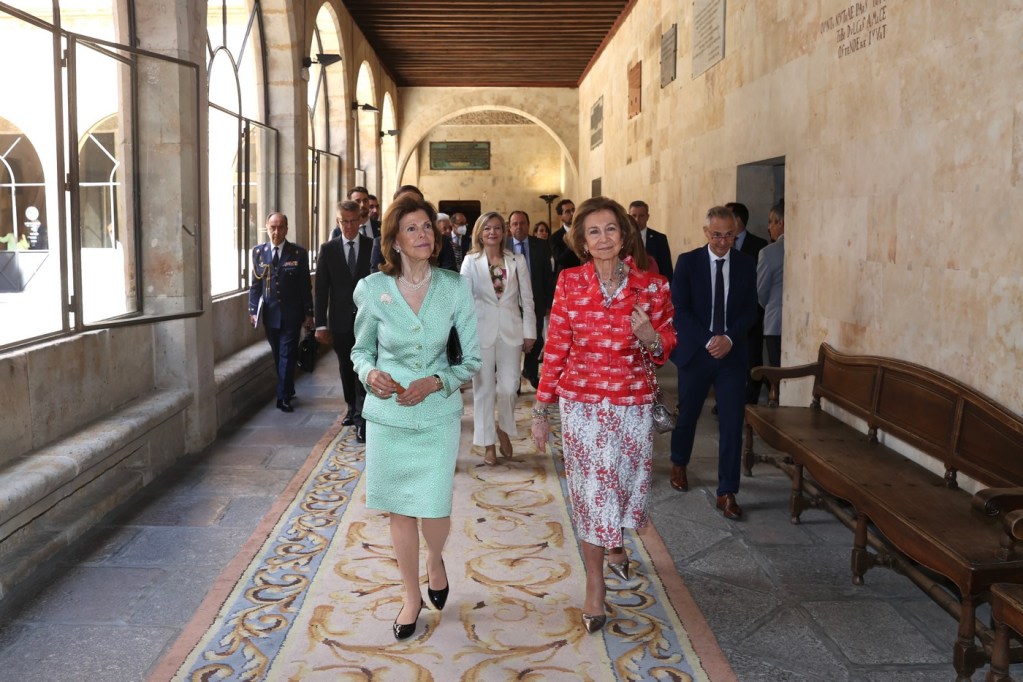
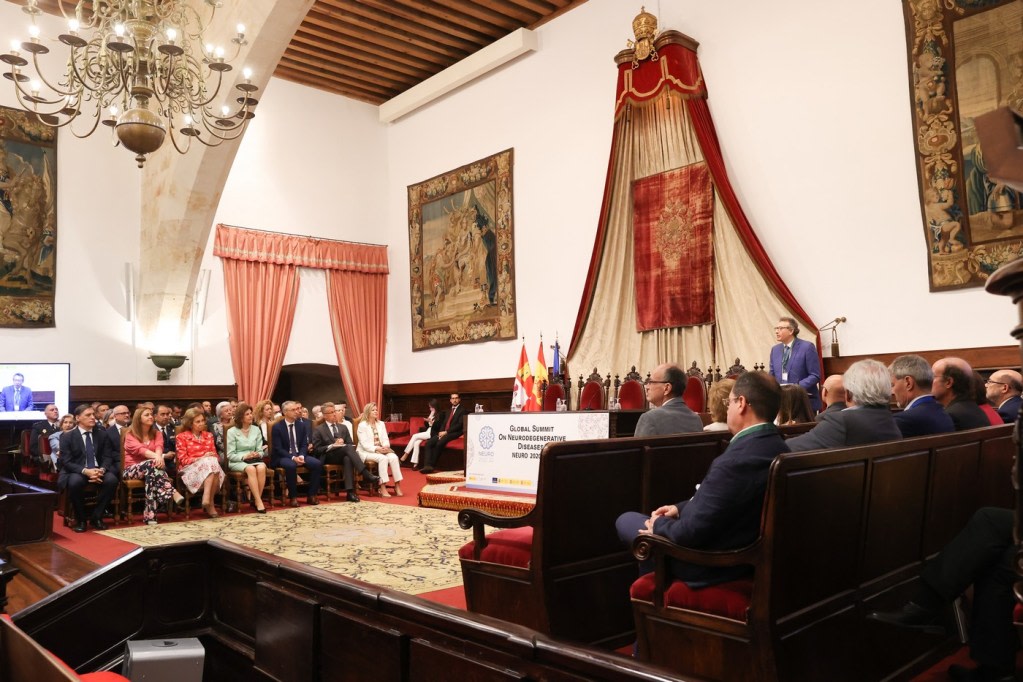
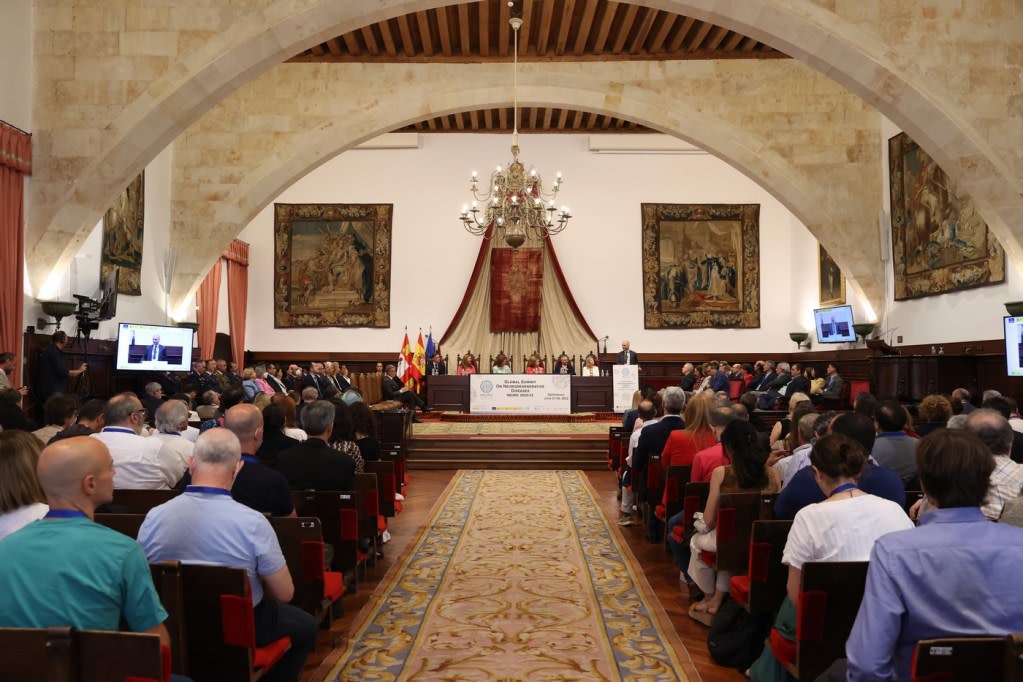
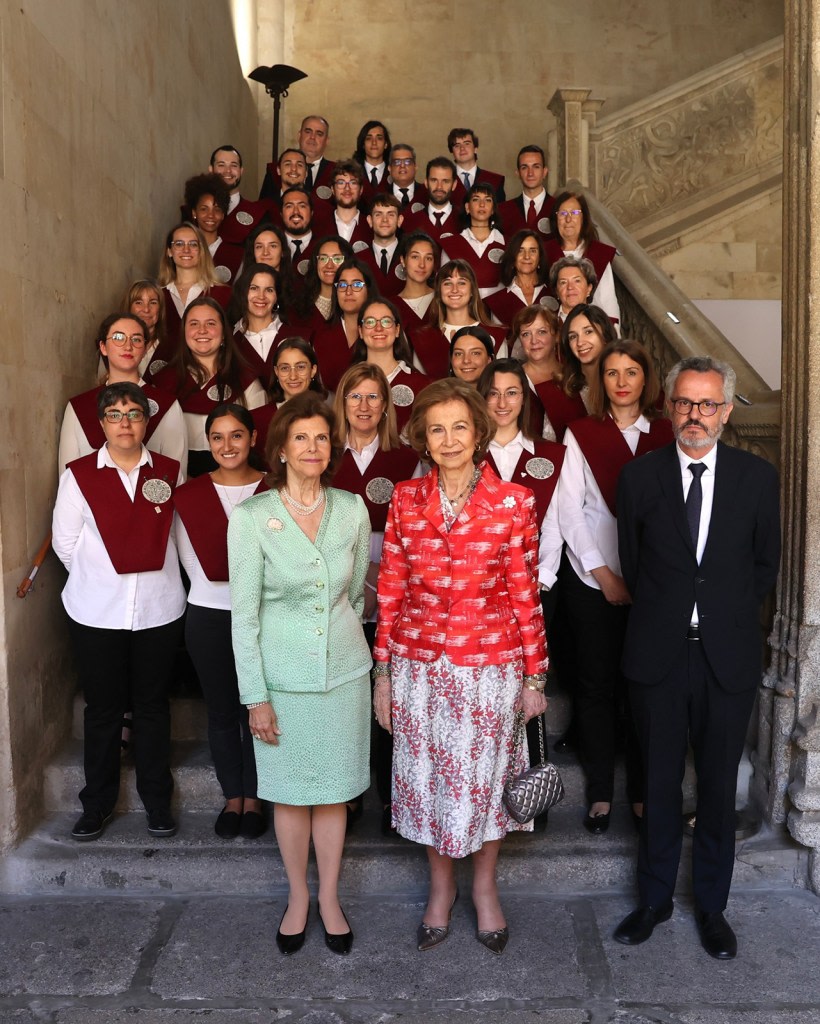
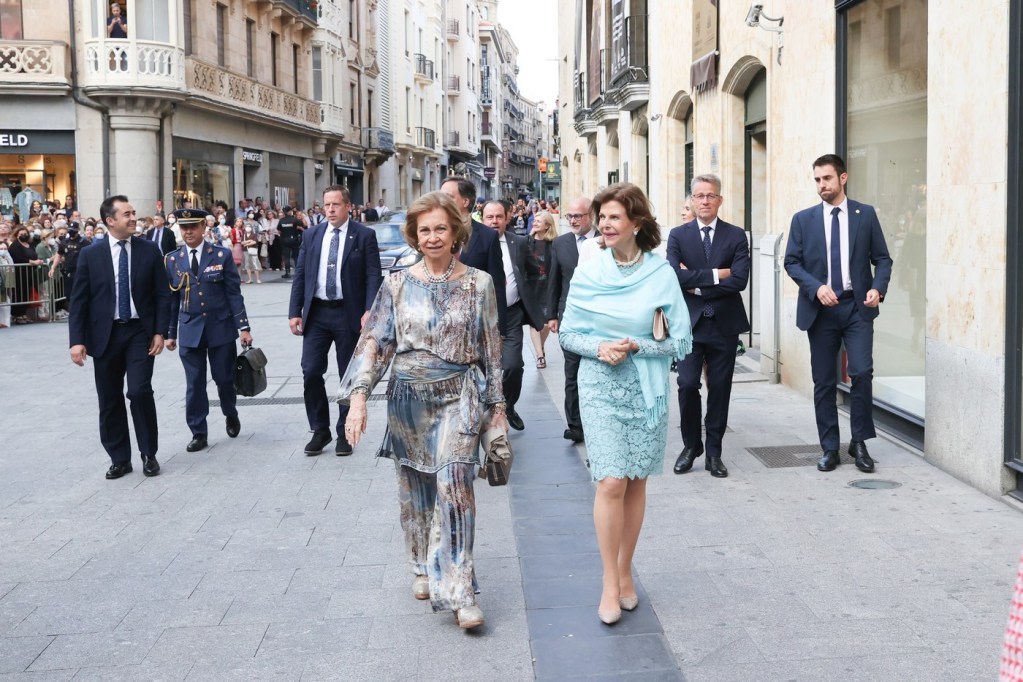
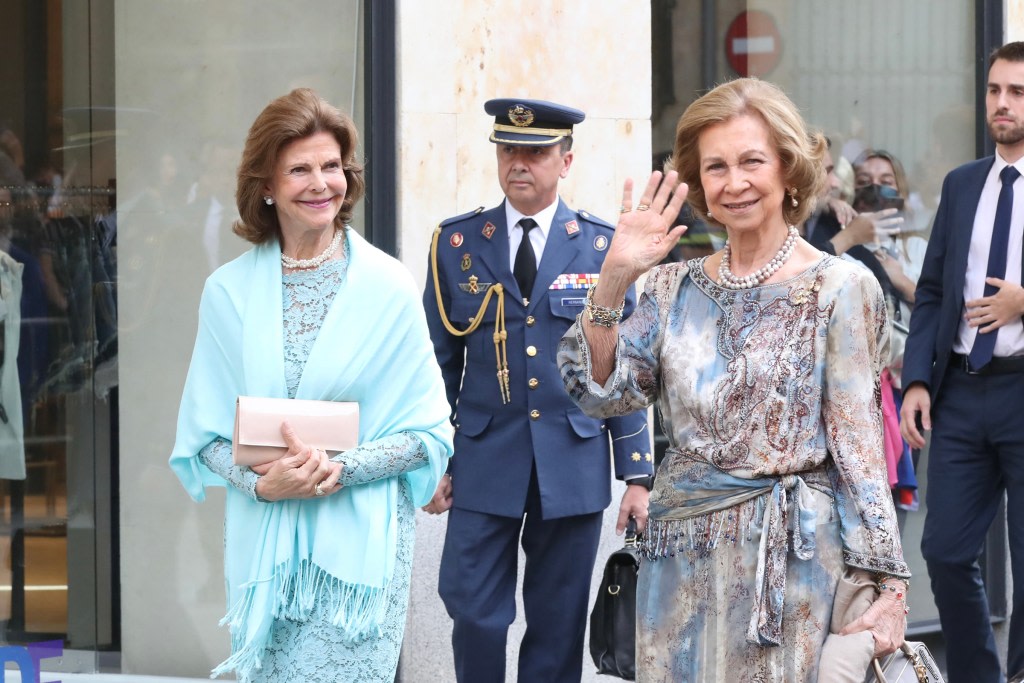
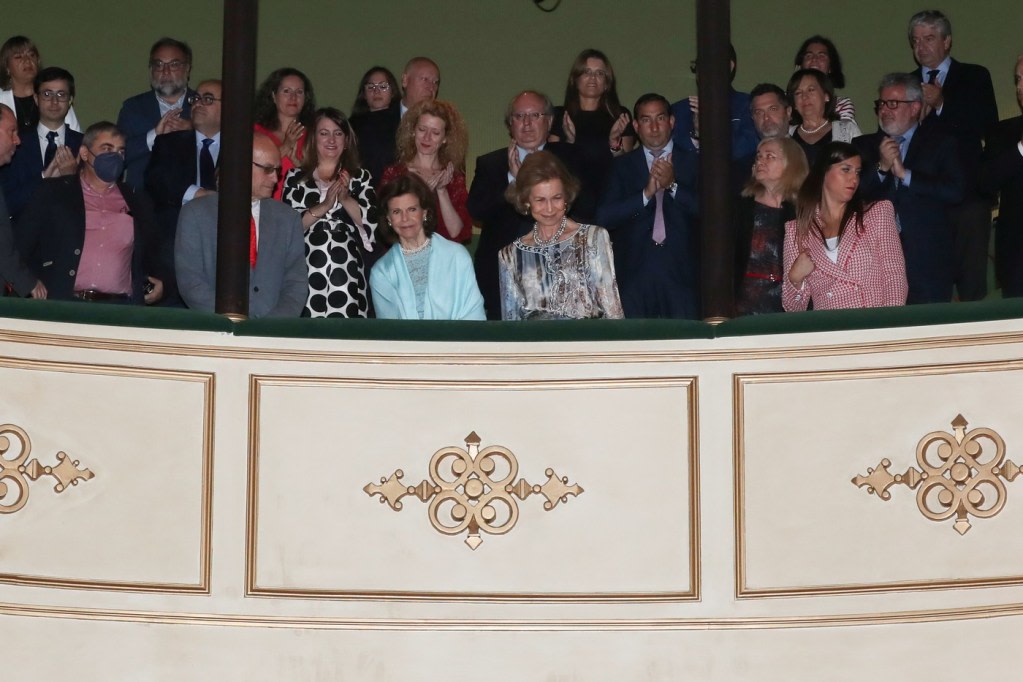
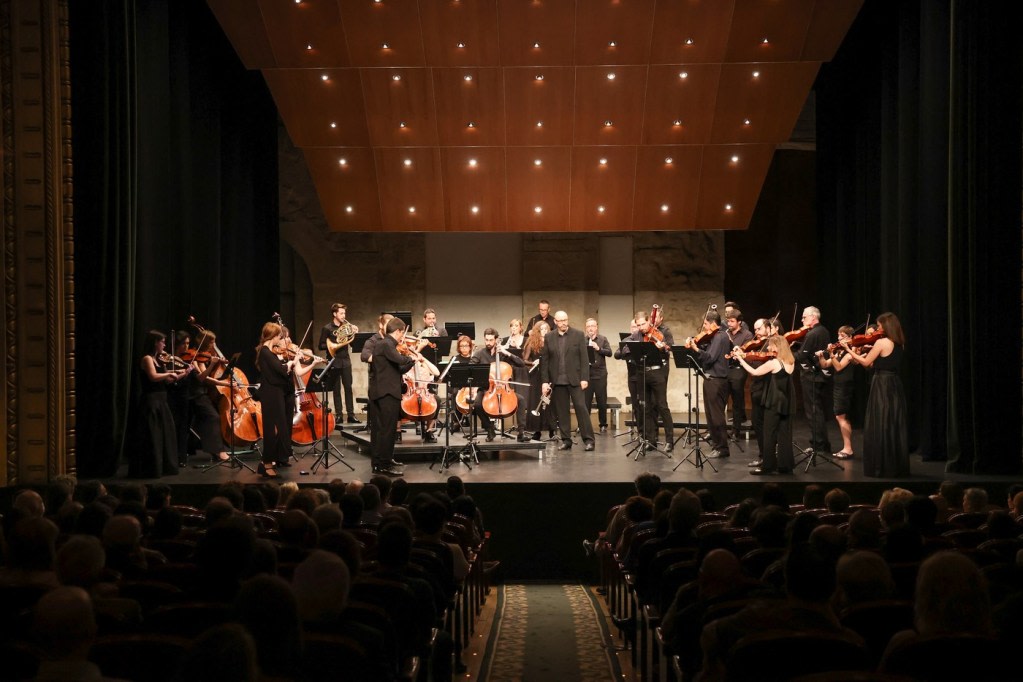
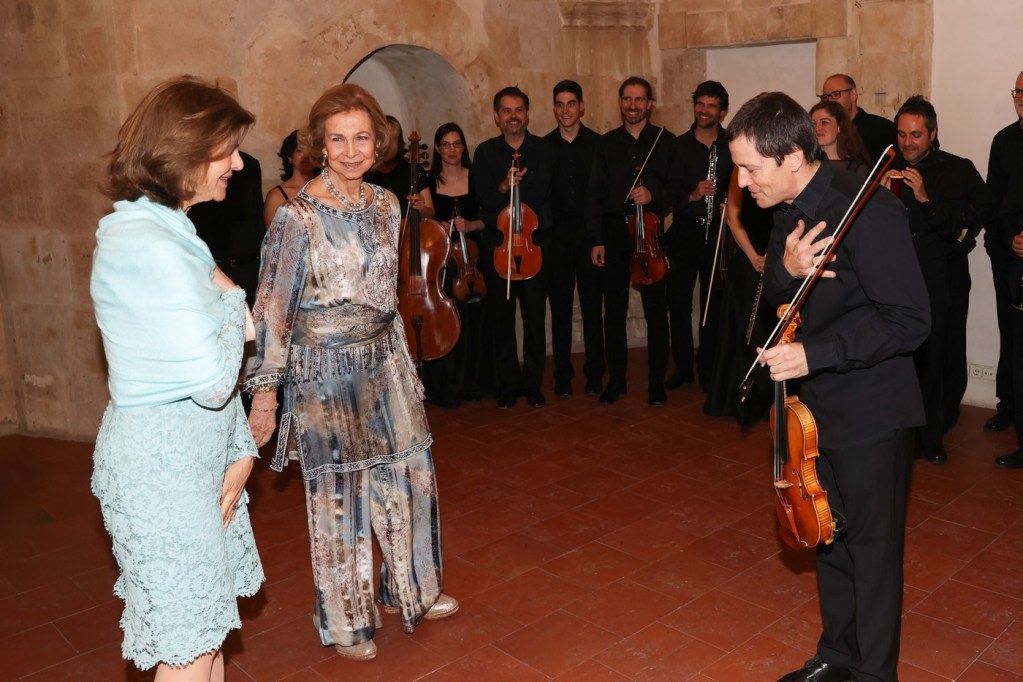
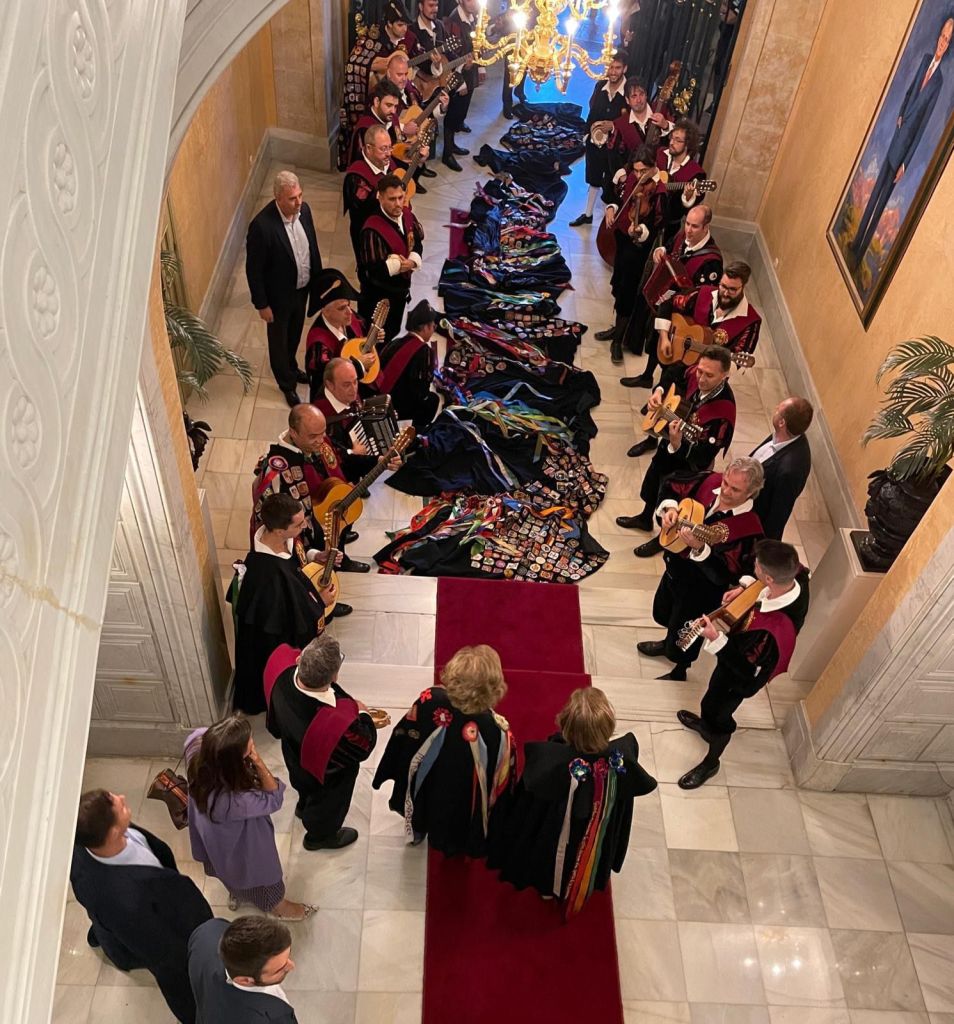
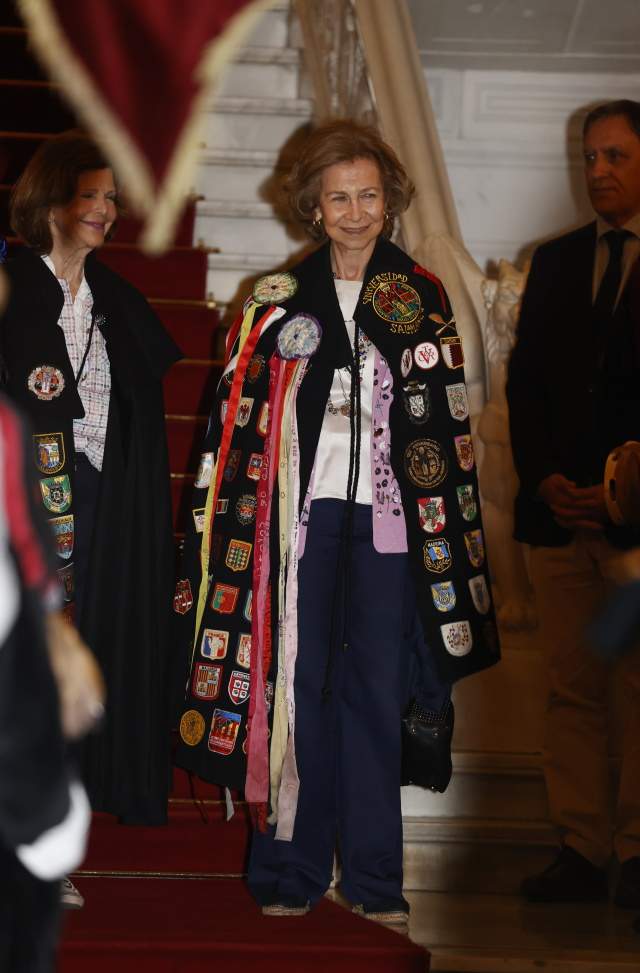
On the occasion of World Amyotrophic Lateral Sclerosis (ALS) Day, H.M. Queen Sofía presided over the Global Summit Neuro 2020/2022, which addressed the latest research advances in Alzheimer’s and other neurodegenerative diseases such as Parkinson’s, Huntington’s, and ALS. H.M. Queen Sofía was accompanied by Queen Silvia of Sweden, whose trip to Spain demonstrated her commitment to research into these conditions. The inaugural ceremony also featured the Government Delegate in Castilla y León, Virginia Barcones; the Mayor of Salamanca, Carlos Manuel García Carbayo; the Rector of the University of Salamanca, Ricardo Rivero; the Scientific Director of the CIEN Foundation and Director of the Global Summit, Pascual Sánchez Juan; and the Scientific Director of the Neurodegenerative Diseases area of CIBER (CIBERNED), Adolfo López de Munain.
A meeting of international prestige
The congress, organized by the Reina Sofía Foundation and the CIEN Foundation, under the Instituto de Salud Carlos III, in collaboration with CIBERNED, once again brought together leading international researchers. This Summit featured the participation of Thomas Südhof, winner of the Nobel Prize in Medicine in 2013 and professor at Stanford University.
His keynote lecture, entitled “Towards an understanding of Alzheimer’s as a synaptic disorder” (“Hacia una comprensión del Alzheimer como un desorden sináptico”), opened the meeting, which was marked by advances in genetics. His main thesis is that Alzheimer’s pathology can be understood as a disease of neuronal synapses. This is a novel and original approach to understanding the neurodegenerative process of Alzheimer’s, starting from the connections between neurons called synapses — those tiny gaps between dendrites and axons whose study earned the Spaniard Ramón y Cajal the Nobel Prize more than a century ago.
For his part, Michel Goedert, of the MRC Laboratory of Molecular Biology at the University of Cambridge, presented advances in new microscopy techniques that are describing the structure of proteins accumulated in the brain as a result of Alzheimer’s, something that will be key to understanding pathogenic mechanisms and proposing new biomarkers and therapies.
The key role of biomarkers in early detection
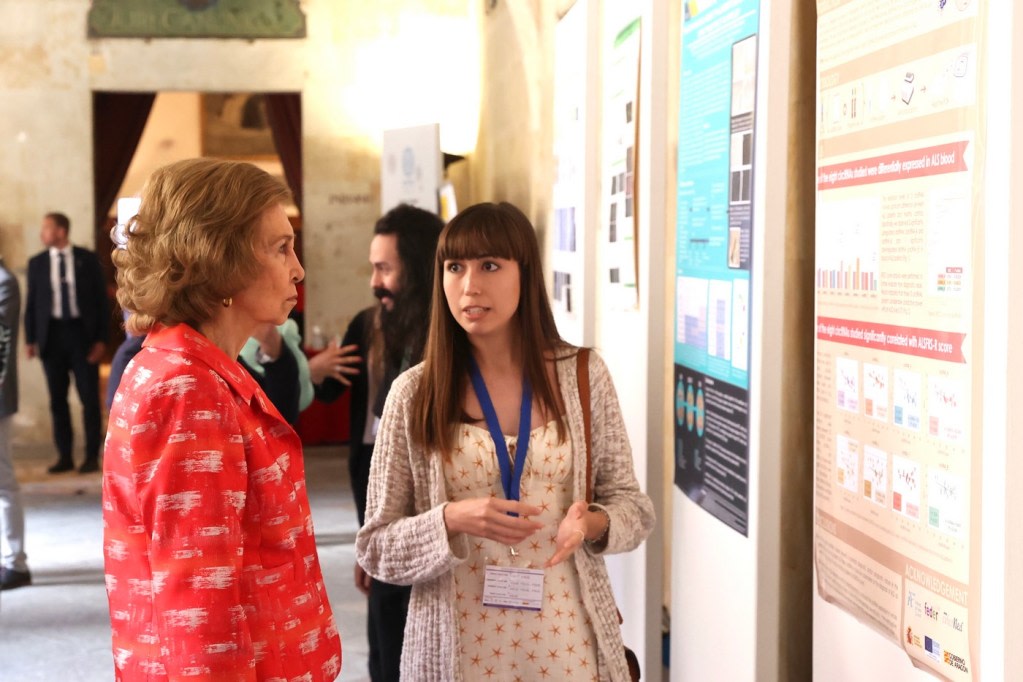
Biomarkers are substances in our body (an alteration in plasma levels, for example) that can indicate a biological state and are used to detect diseases. For years, a significant portion of Alzheimer’s research has focused on identifying biomarkers that could accurately predict a potential development of Alzheimer’s, in order to establish mechanisms for prevention and delay of the disease.
In the field of biomarkers, one of the foremost experts, Inga Zerr, a researcher at the Department of Neurology at the University Medical Center Göttingen (Germany), participated in the Global Summit with a presentation on the most recent advances in blood-based and cerebrospinal fluid biomarkers.
Along the same lines of biomarker identification were the presentations by the Spanish researchers Juan Domingo Gispert, of the Barcelonabeta Brain Research Center (BBRC), with a study focused on the early alterations caused by Alzheimer’s; and Pascual Sánchez Juan, Scientific Director of the CIEN Foundation. The latter presented the results of studies from the Proyecto Vallecas (Vallecas Project) regarding plasma biomarkers.
More genetic factors
Furthermore, while up to that year 33 genetic factors related to Alzheimer’s had been identified, in April the journal Nature Genetics published an article identifying 42 new genetic factors. This revealing research, in which scientists from the CIEN Foundation participated, is of vital importance for understanding Alzheimer’s and opens a solid path toward finding treatments — a matter still unresolved.
In this promising field of genetic research, distinguished researchers who participated in this Summit include Orla Hardiman, of the Trinity Institute of Neurosciences in Dublin; Kenneth Kosik, of the Neuroscience Research Institute at the University of California; and Bruce L. Miller, of the Memory and Aging Center at the University of California.
Ever closer to Alzheimer’s treatments
In the words of Pascual Sánchez, Scientific Director of the CIEN Foundation and of the Summit, “we are at a crucial moment because in Salamanca researchers from the most important centers in the world are coming together, working in parallel on biomarkers and on the genetic aspects of Alzheimer’s.” This is, the Spanish scientist notes, “of vital importance when it comes to taking concrete and real steps toward finding a treatment that cures Alzheimer’s or, at least, substantially improves the lives of those who suffer from it, which is the true objective of our scientific work” (“de vital importancia a la hora de dar pasos concretos y reales hacia el hallazgo de un tratamiento que cure el Alzheimer o, al menos, mejore sustancialmente la vida de las personas que lo padecen, que es el verdadero objetivo de nuestros trabajos científicos”).
Broad participation of Spanish researchers
The Summit also featured extensive participation from Spanish researchers with long track records in internationally relevant publications. Among them were Alberto Rábano and Bryan Strange from the CIEN Foundation, Óscar Fernández-Capetillo from the Centro Nacional de Investigaciones Oncológicas (CNIO), and Raquel Sánchez Valle from the Hospital Clínic de Barcelona (IDIBAPS).
Researchers from CIBERNED, under the Instituto de Salud Carlos III, also participated, including Jaime Kulisevsky from the Instituto de Investigación Biomédica de Sant Pau; Isabel Fariñas from the University of Valencia; and Teresa Iglesias from the Instituto para la Investigación Biomédica Alberto Sols.
Science and scientists in every corner of the city of Salamanca
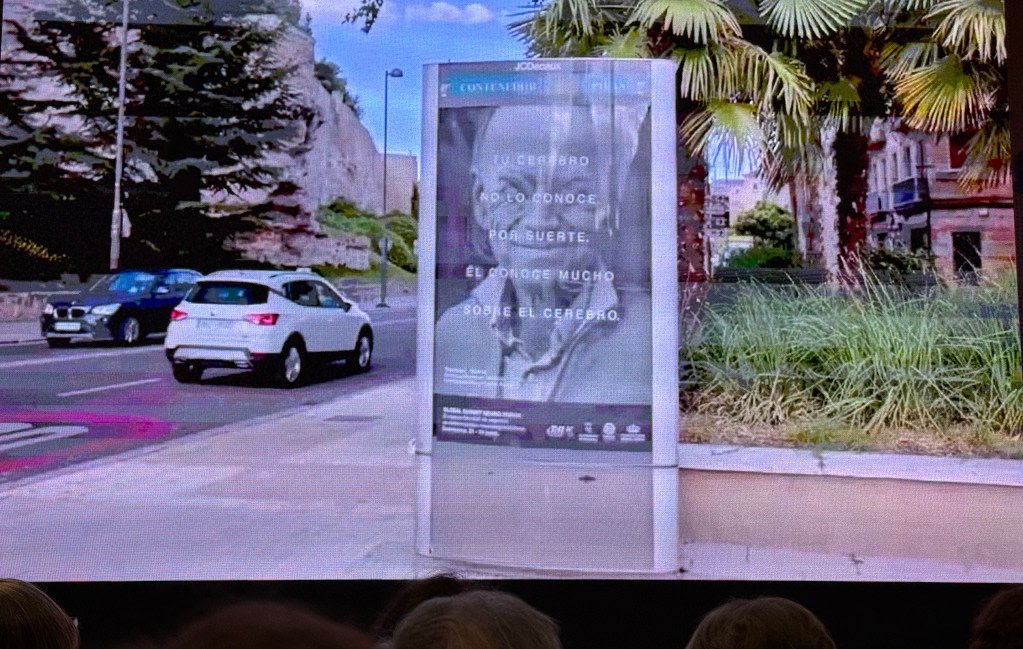
During the congress, the city of Salamanca was filled with science and scientists. Dozens of banners covered the city center with their faces under the motto Your brain doesn’t know them. Fortunately, they know a great deal about the brain (Tu cerebro no los conoce. Por suerte, ellos conocen mucho sobre el cerebro). In addition, local restaurants used recyclable individual placemats featuring these designs, and a cocktail bar even named one of its cocktails after a researcher: Kosik. The campaign was created by the agency Sra. Rushmore.
Neuro 2020/22: International Year of Research and Innovation in Alzheimer’s
The congress was held within the framework of the event of exceptional public interest “Neurodegenerative Diseases 2020/22: International Year of Research and Innovation.” This event, promoted by the Reina Sofía Foundation and the CIEN Foundation, aims to raise public awareness of the importance of promoting research into neurodegenerative diseases in order to advance knowledge of their underlying causes.
Collaborators in this congress, within the framework of Neuro 2020/2022, included: the Salamanca City Council, the University of Salamanca, the Casino de Salamanca, as well as the companies Lilly, Roche, and Fujidebio.
(c) Ciberned. More information.